
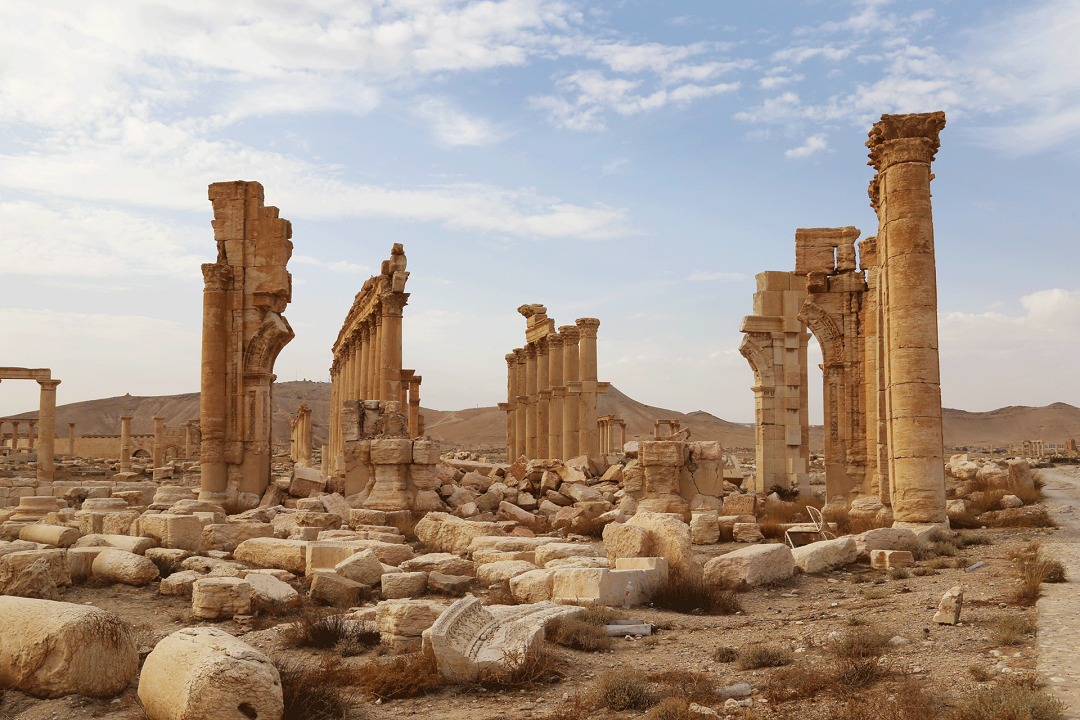
Palmyra Syria
The spectacular ruins of Palmyra are a highlight of any Native Eye Syria tour.Native Eye Founder, Jim O’Brien, has just returned from Syria. We sat down with him to talk about Syria and find out why it’s such a thrilling travel destination.
At a crossroads of civilisations and empires, Syria has seen it all. From the ancient Babylonians to the Roman Empire, the Mameluke Sultans to the Ottomans and the French, Syria has been a playground for wave after wave of invader, all of whom have left their mark on the country. It has sheltered the earliest Christians, nurtured Judaism and played a foundational role in the expansion of Islam. And it’s five-thousand-year-old capital, Damascus, has been one of the world’s greatest centres of learning and culture. But along with the glory has come devastation. The same people who so craved the cultural riches of Syria have at times turned the country into a by-word for violence.
The last decades have been particularly hard for Syria with the fear of the Assad family dictatorship and fifteen years of war and violence. But, with the toppling of the Assad regime in late 2024 and the guns largely falling silent, Syria now looks forward to the future with hope and optimism.
Before the Arab Spring protests of 2011 and the resulting civil war, Syria was an increasingly popular tourist destination. People came here for the deep sense of history, the souks of Damascus and Aleppo, the magnificent ruins of Palmyra and the Crusader castle of Crac des Chevaliers as well as the famed hospitality of the Syrians themselves. All of that ended when the fighting began, but now, with calm having finally returned, the first adventurous visitors are returning to a country that shaped the world.
Native Eye we have been operating tours to Syria for a few years now and in early October 2026, our founder, Jim O’Brien returned to see how things had changed since the overthrow of the Assad regime. We sat down with Jim to get his thoughts on the new Syria and why now is such a great time to visit.
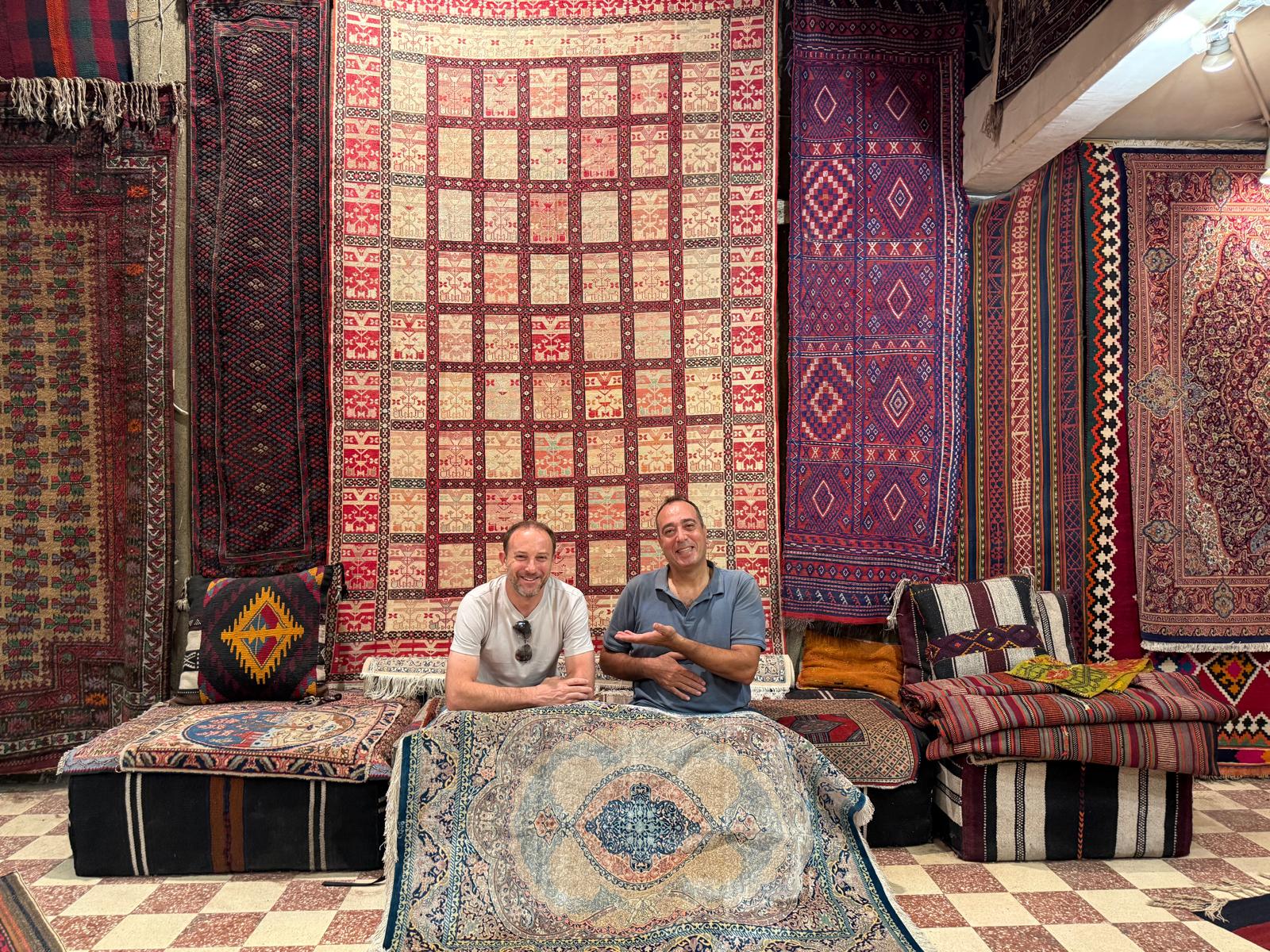
Hello Jim, So, you’ve just returned from Syria. Lucky you! How was it?
What can I say? It was fantastic. There are so many fascinating things to see and do there and almost no other tourists.
Tell us where you went on this trip to Syria?
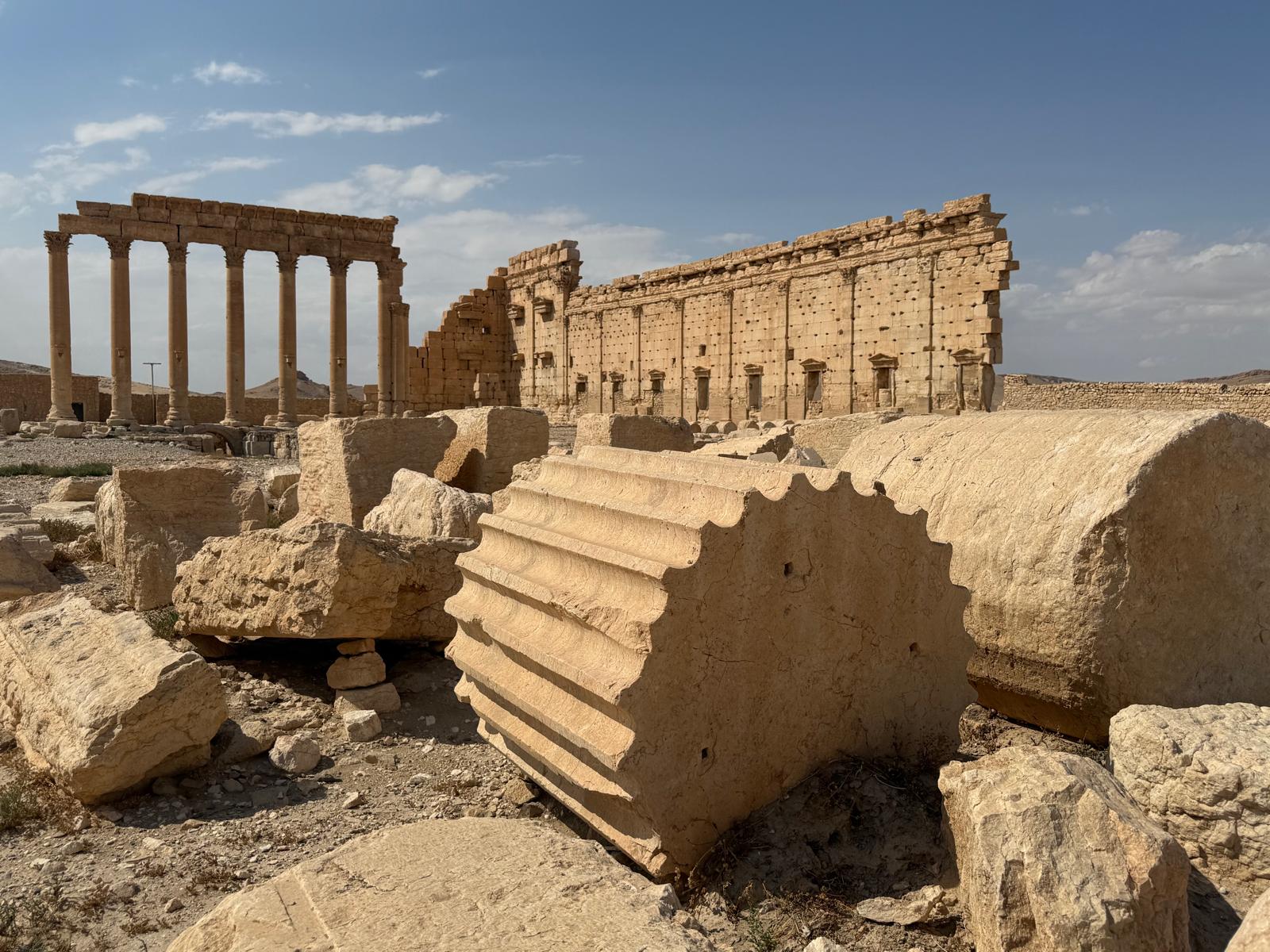
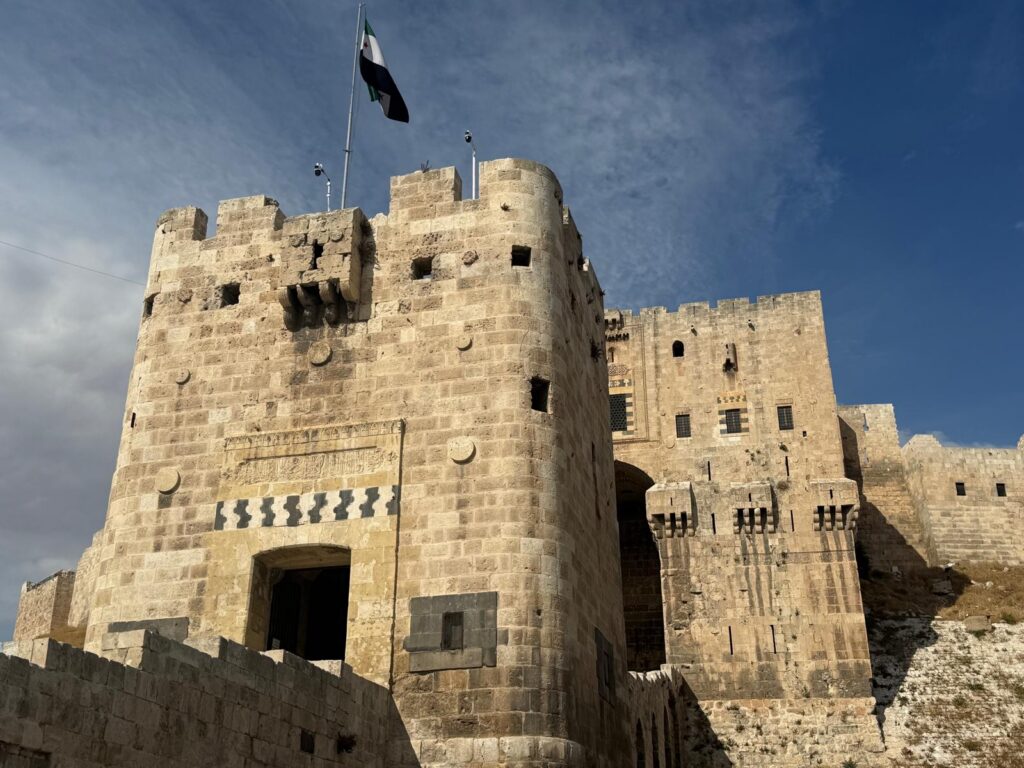
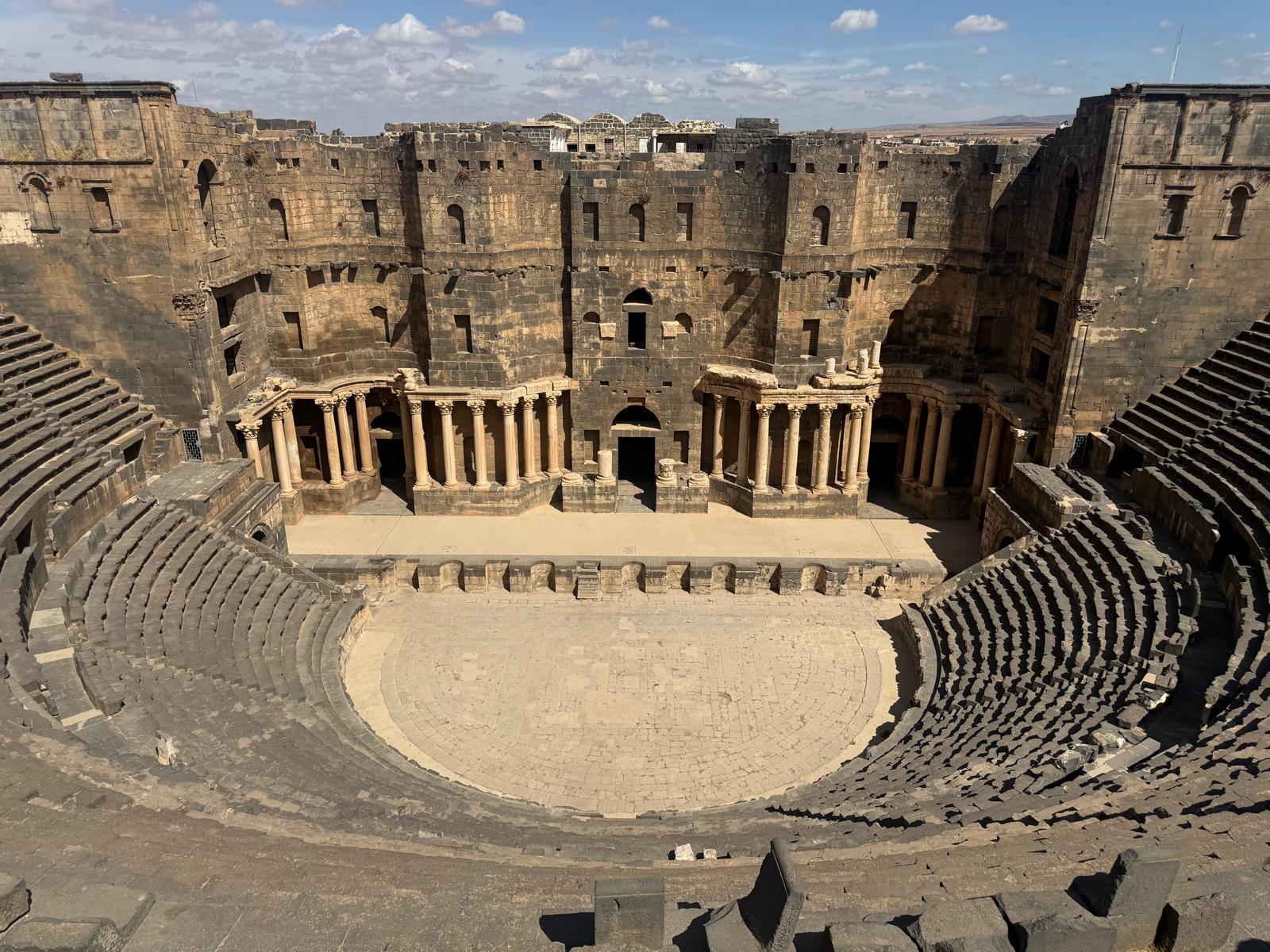
I started in the capital, Damascus and then I went to the ruins of Palmyra, which is one of the most spectacular ancient sites in the Middle East. Then to Crak des Chevaliers, which is a Crusader-era castle and supposedly one of the world’s best preserved medieval castles. Then to the monasteries in the so-called Valley of the Christians, which is an interesting area a little north of Damascus. I also went to Bosra and its Roman ruins, Hama and Homs and also up to Aleppo from where I visited the Saint Simeon’s monastery, which has been closed since the war and only re-opened the day I got there. Apparently, I was only the second tourist to visit. I also went to some of the ‘Dead Cities’, which are ruined Byzantine towns scattered across the countryside. We went to one rural village where there was a Byzantine era church that was perfectly preserved except it had lost its roof.
The war ended in Syria in December 2024, but many people might still think of Syria as a war zone. Can you tell us about the situation there? Is it safe? And did you feel welcomed? Is the regional situation impacting travel there at all?
I felt absolutely welcomed. I struggled to reconcile the Syria that I saw with my own eyes to the Syria that many of us imagine. The people were absolutely lovely. No hostility whatsoever. Syrians have always had a reputation for being some of the loveliest people in the Middle East and I certainly found that to be the case. Ironically, it’s probably one of the safest places in the Middle East right now!
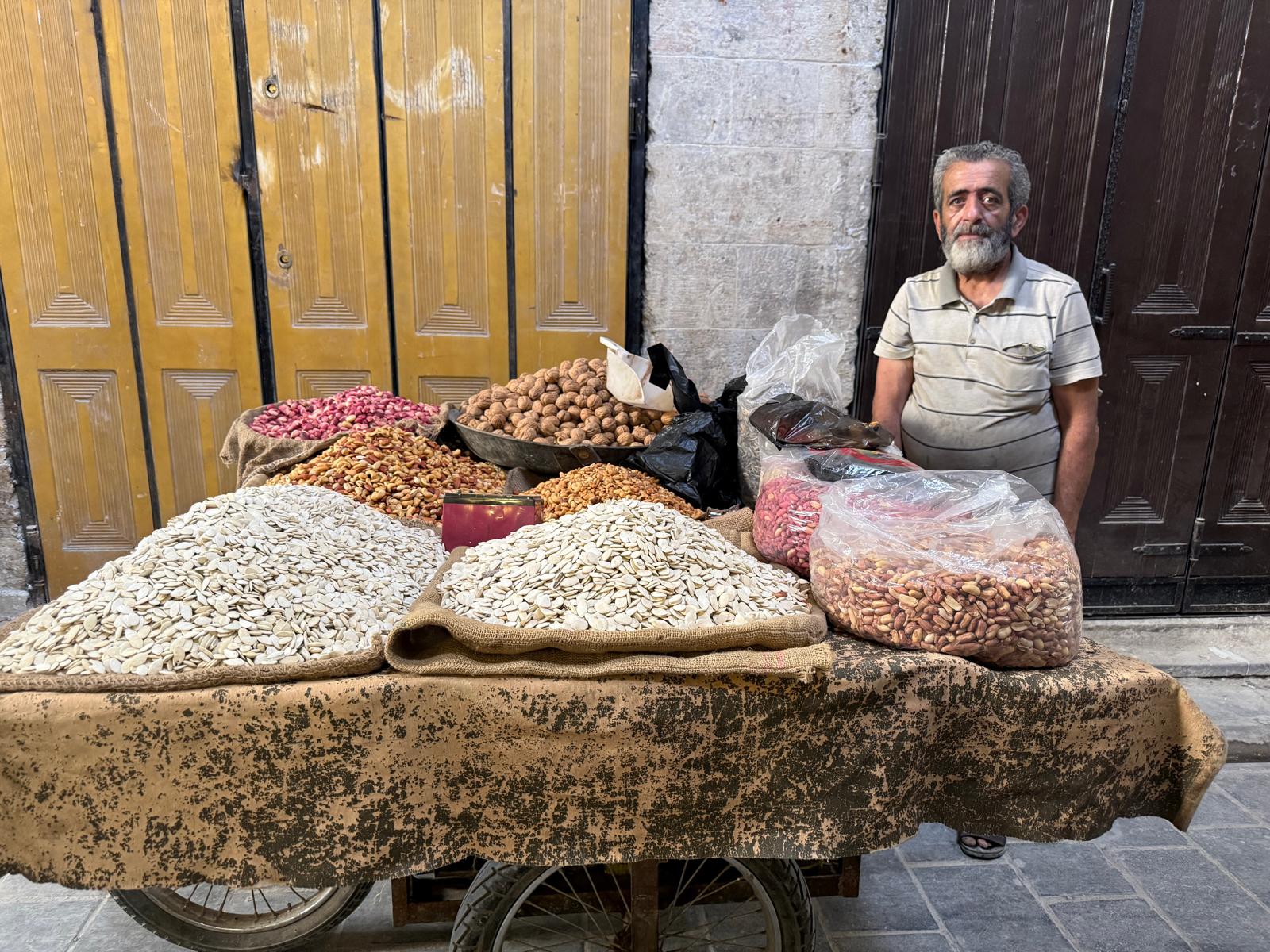
Haven’t many of the towns and cities been destroyed?
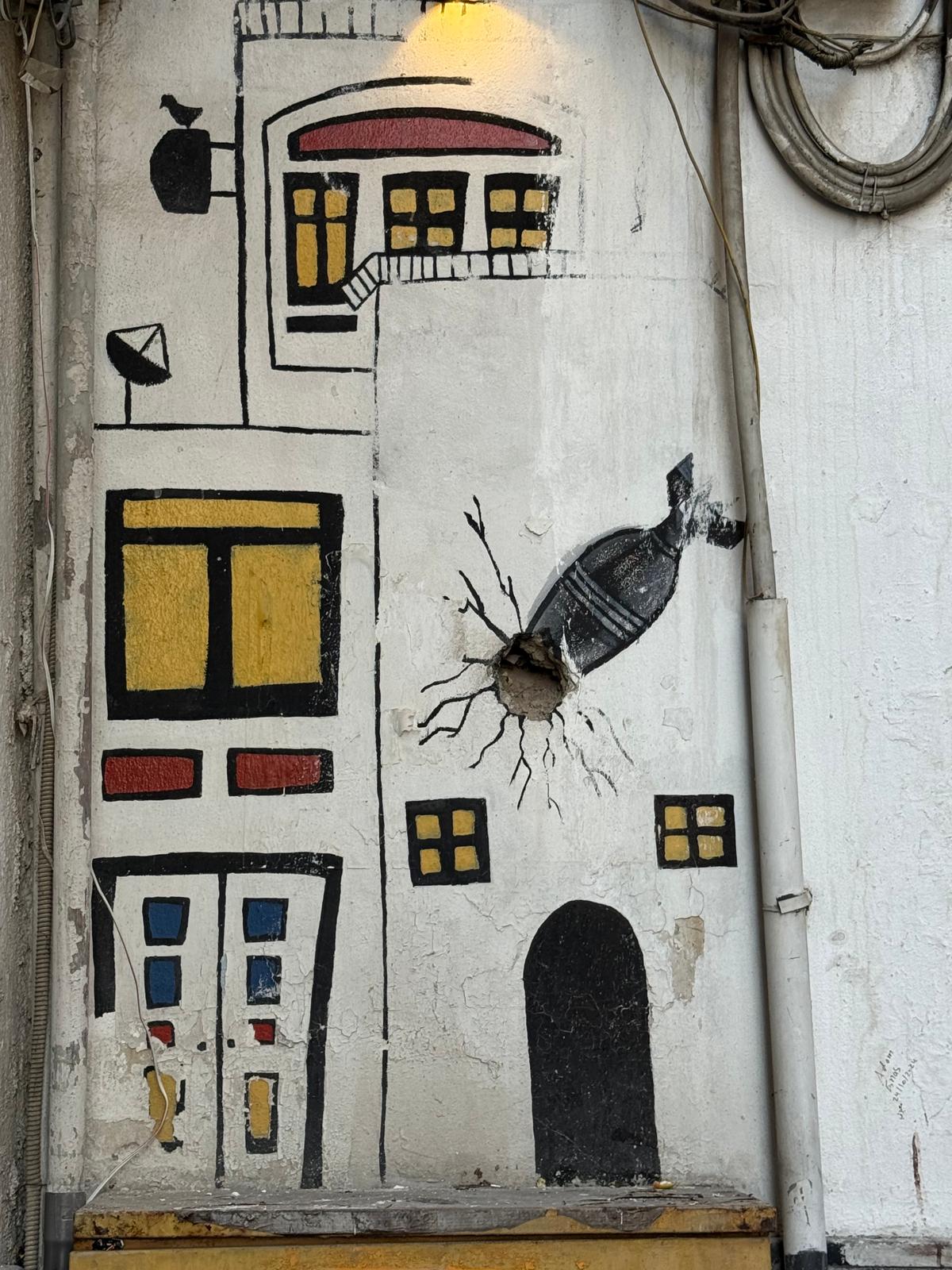
I saw damaged buildings in places, but I didn’t see anything where it looked like whole areas had been flattened. Yes, in some parts of Aleppo and Homs there were damaged buildings, but it wasn’t everywhere. A street here and a street there that had some damaged buildings.
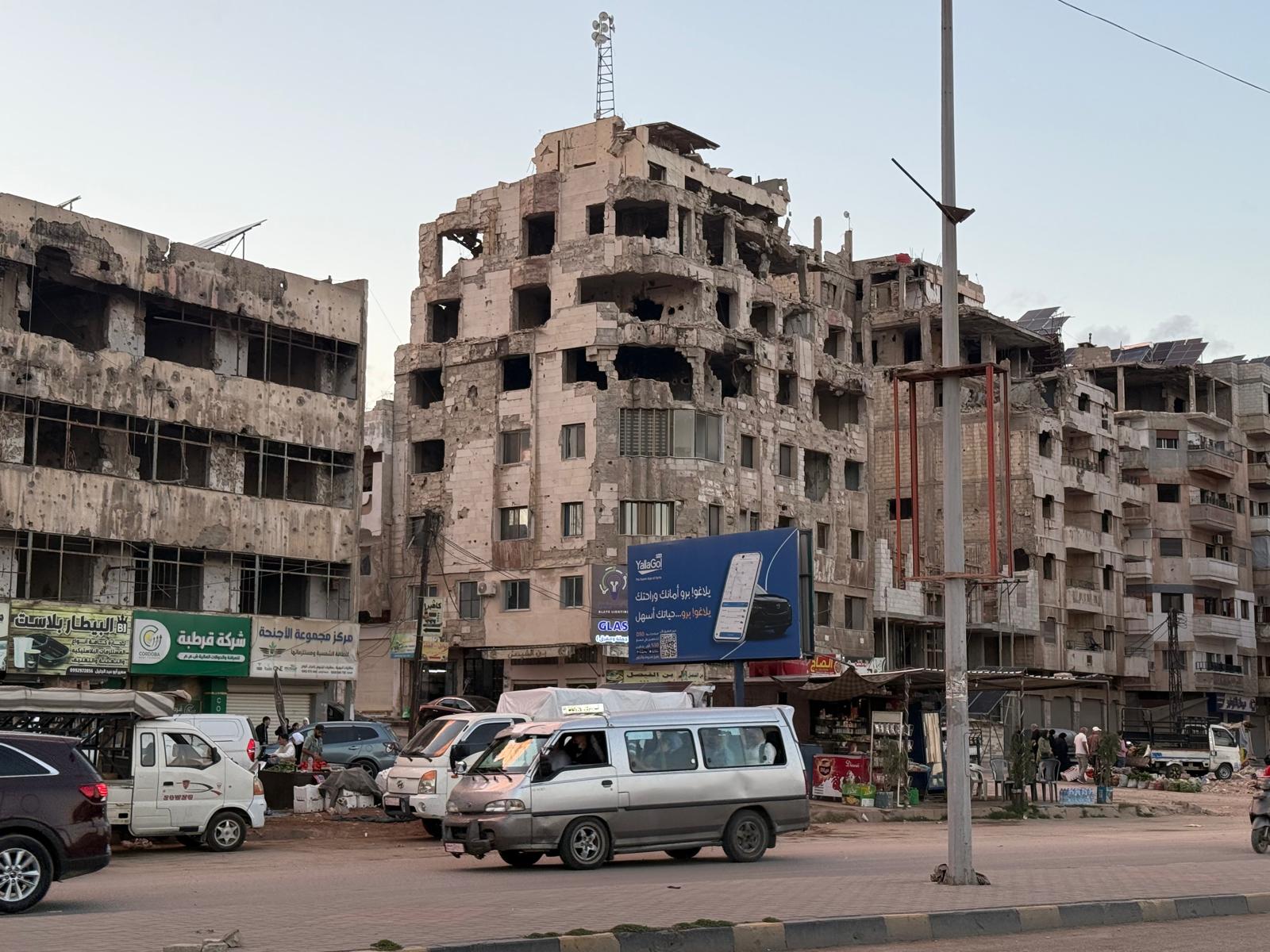
What is the atmosphere like in Syria at the moment? Are the people optimistic for the future?
I got the sense that people were optimistic for the future. There was frustration with the pace of change, but I think the new regime is being given a little time, because people are aware that it’s not going to happen overnight. However, the cost of living was mentioned to me a few times while I was there.
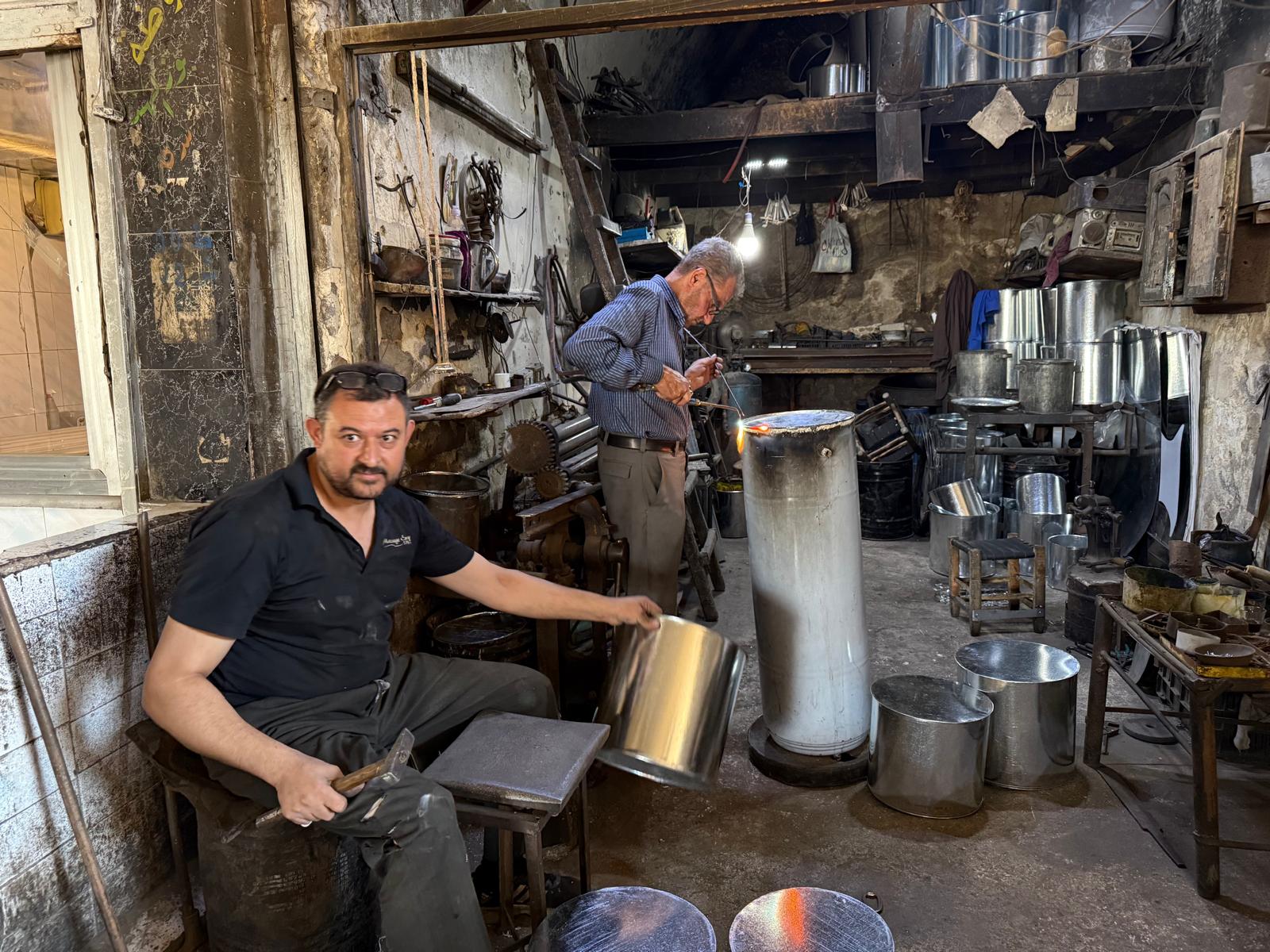
What was your most memorable moment or the most impressive thing you saw or did?
I think my most memorable moment was visiting the Saint Simeon’s monastery. It’s a ruined 5th century monastery that’s just so very atmospheric. It reopened to the public when I was there and we will be adding that to our future Syria tours.
The souks of Aleppo are wonderful. It’s a bit like the backstreets of Khan al-Khalili in Cairo, but with no tourists. All dusty and a bit edgy and dirty. Really interesting.
There’s also a 6th Century church at Sednaya, a short way north of Damascus that I went to. It’s a pilgrimage site for Syria’s Christians. The shrine itself is tiny with room for just ten or twelve people, but it’s full of icons, incense and people coming to pray, so it’s a very atmospheric place.
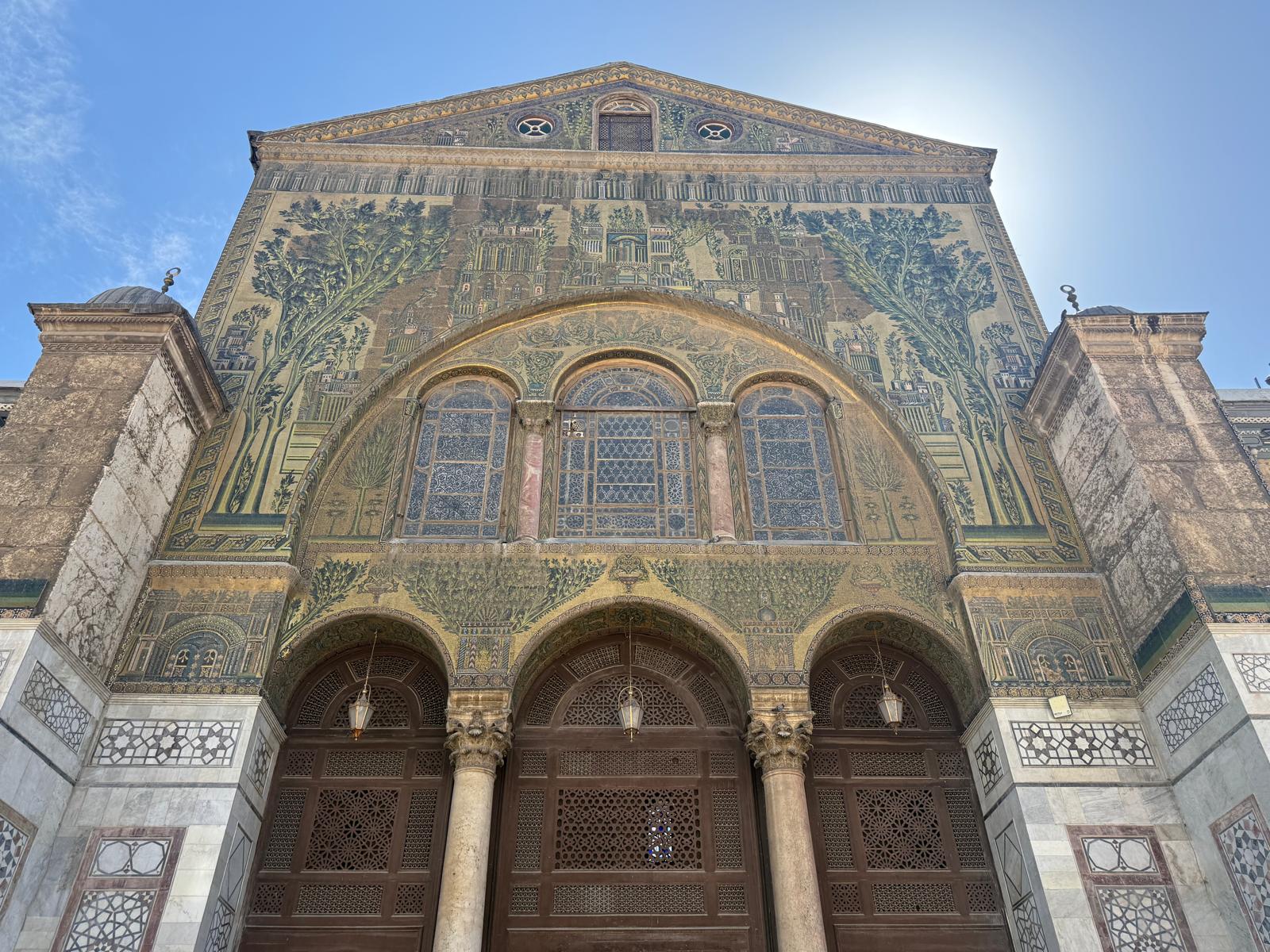
The other thing that stood out for me was wandering the streets of Old Damascus at night. There’s something of a medieval atmosphere to it. I was walking around and there was a young boy sitting on the ground and singing as a way of advertising his wares. I just thought to myself that that was something you would have seen three or four hundred years ago. And then I turned a corner and there was a man stood there with an owl on his arm! The Umayyad Mosque – which is the main mosque in Damascus and one of the most historically important in the Middle East – at night is beautiful. Much more so than in the day I thought. Damascus is the world’s oldest capital city and in the Old City it really feels like that with every building having a sense of history. Get off the main streets there and onto the smaller roads and it feels like something from hundreds of years ago.
What was the most unexpected thing about Syria?
I think the most unexpected thing was stumbling upon a tiki-style bar (Hawaiian-style bar) in the middle of Damascus! There are quite a few bars in the Christian quarter and there are even vineyards in Syria.
After so many years of war I would imagine that the accommodation is quite basic?
No! Not at all! The accommodation is good. On our tours we stay in a gorgeous old merchant’s house in the old quarter of Damascus. It’s a bit like a Moroccan riad. A beautifully decorated boutique hotel with rooms set around a courtyard with a fountain. In Aleppo we stay in the Sheraton Hotel. It was built by the Sheraton chain just before the war but was never used. Someone else bought it but still uses the Sheraton name!
What sort of person would you recommend Syria too?
I would recommend Syria to someone who is not afraid to look beyond the stereotypes and wants to experience a living, vibrant culture with its roots in the past and head in the future. The country feels very traditional. There are very few tourists there. In Palmyra and at the Crusader castles I saw maybe five tourists. And these are some of the most amazing sites in the Middle East.
When is the next Native Eye tours to Syria? Tell us a bit about what people will see and do on them?
Our next Syria tour is in April. We don’t operate tours there in winter because it can be quite cold. April is a great time of year to be there though. The temperatures are perfect and everything is nice and green. We also run a tour in September which is another good time to be there as the summer heat is fading. We will be visiting all of the places I went to.
What Native Eye clinets say about our Syria tours.
“Wow! What a fantastic trip! Of course, Native Eye never dissapoint, and this trip was no exception. Our guide Hussein in Syria was absolutley the best. He was very knowledgable, extremely well organised and had a wonderful sense of humour. The accommodation was top class, and not at all what I had expected, especially the hotel in Damascus – just fabulous”.
“The Syria trip was fantastic! I have no complaints at all. Hussein was one of the best guides I’ve ever worked with. Drivers were excellent. Hotels were top notch and I got to see all 7 of my must sees and a few extras too. I wouldn’t change a thing about this trip. This is why i continue to book trips with Native Eye“.
How to visit Syria with Native Eye
We operate Syria tours in April and Syria. If you want to be among the first to discover a post Assad Syria please get in touch with us through our contact page.
Check out these other blogs
Saudi Arabia Attractions: Reasons to explore this country of contrasts and change
If you have always wanted to visit Syria, go now!
Seven spellbinding reasons why you should visit Algeria
Contact
Destinations
Terms & Conditions