
Bangladesh doesn’t feature in many peoples travel wish list. But, in this article we explain why you should visit Bangladesh.
Tucked into a corner of the Bay of Bengal and almost surrounded by India, it’s easy to assume that Bangladesh differs little from its giant neighbour. But how wrong this assumption is. Threaded together by hundreds of rivers and with a vitality and culture that’s all its own, Bangladesh is a nation of unexpected beauty and in your face intensity that really should be on your travel wish list. There are soaring mountains, hillsides covered in tea plantations and mile after mile of luminous green rice fields. It’s home to the world’s largest mangrove forest, ancient mosques and historic Buddhist sites. There are quiet tribal villages where little ever happens and huge cities where everything happens.
Plagued by an ill-founded reputation for disaster, Bangladesh has never taken off as a mainstream travel destination, but this safe, friendly and easily accessible country is South Asia’s overlooked wonder. Here are ten reasons why we think you should visit Bangladesh.
1/ Sadarghat, Dhaka
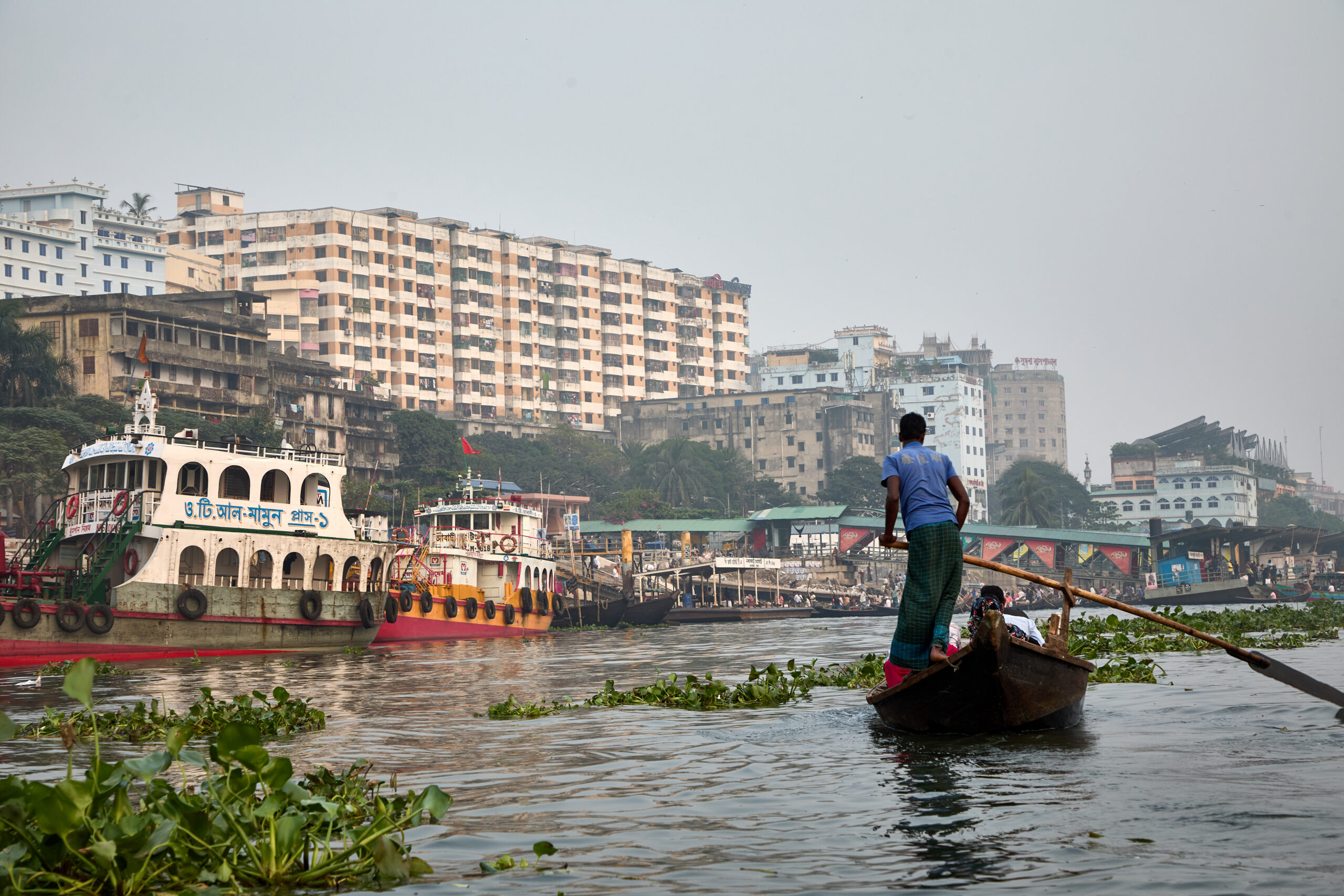
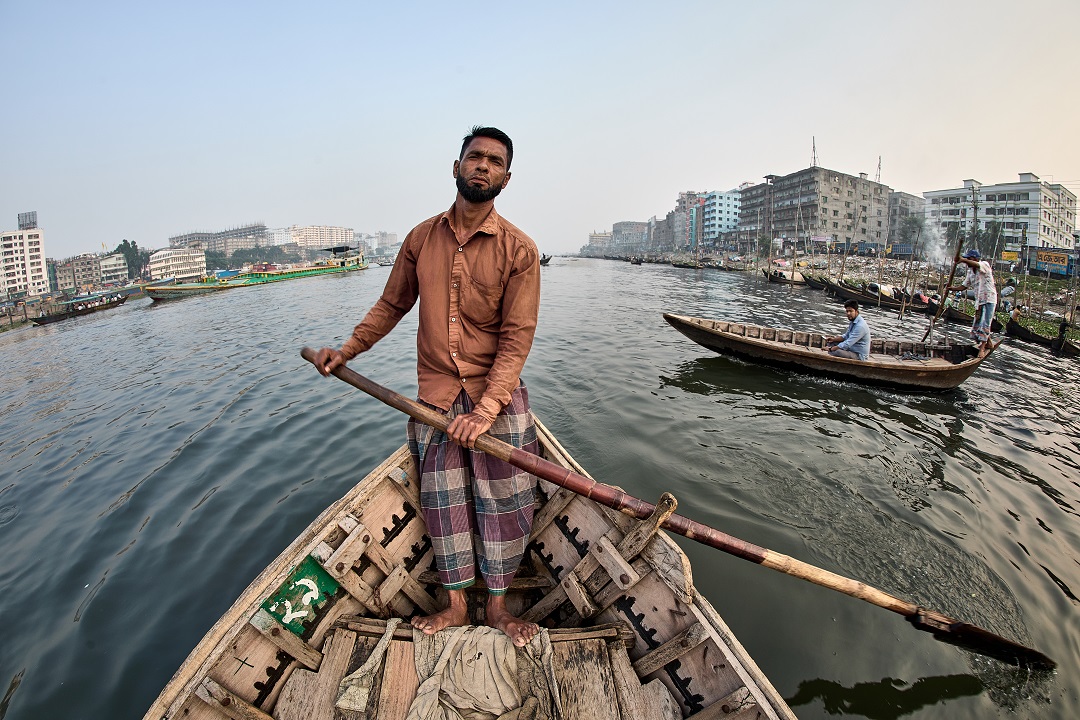
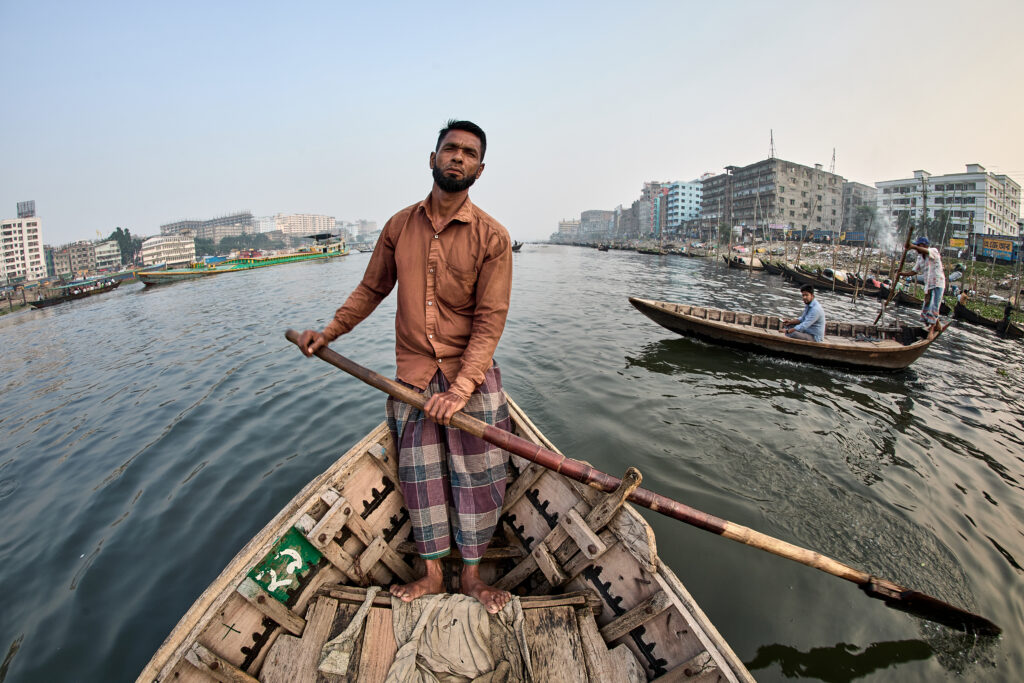
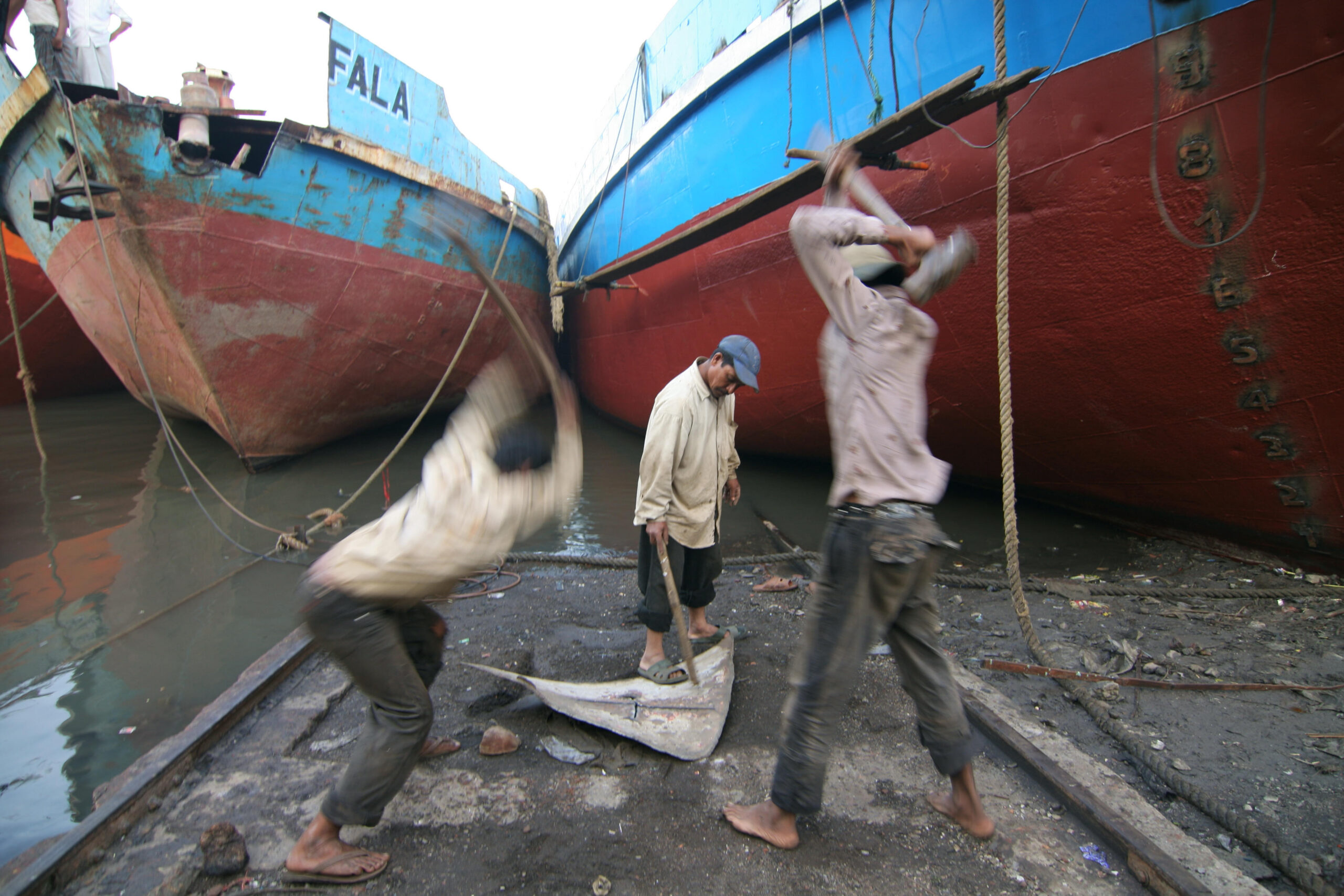
They say that all roads lead to Rome, but in Bangladesh the expression should be that all rivers lead to Dhaka. This is made abundantly clear at Sadarghat, where the Buriganga River meets Old Dhaka. Here, giant multi-level river ferries and grossly overloaded cargo ships share space with hundreds of tiny wooden row boats. Along the shoreline, workmen clatter away on the hulls of huge ships under repair, children fish in the sludge with homemade nets and markets nudge the banks of the river. An evening spent puttering around the river on a boat with your Native Eye guide will reveal the cultural heart of Bangladesh to you. It isn’t always pretty, and it’s certainly not calm, but if you need one single reason to visit Bangladesh then this is it.
2/ Bangladeshi Food
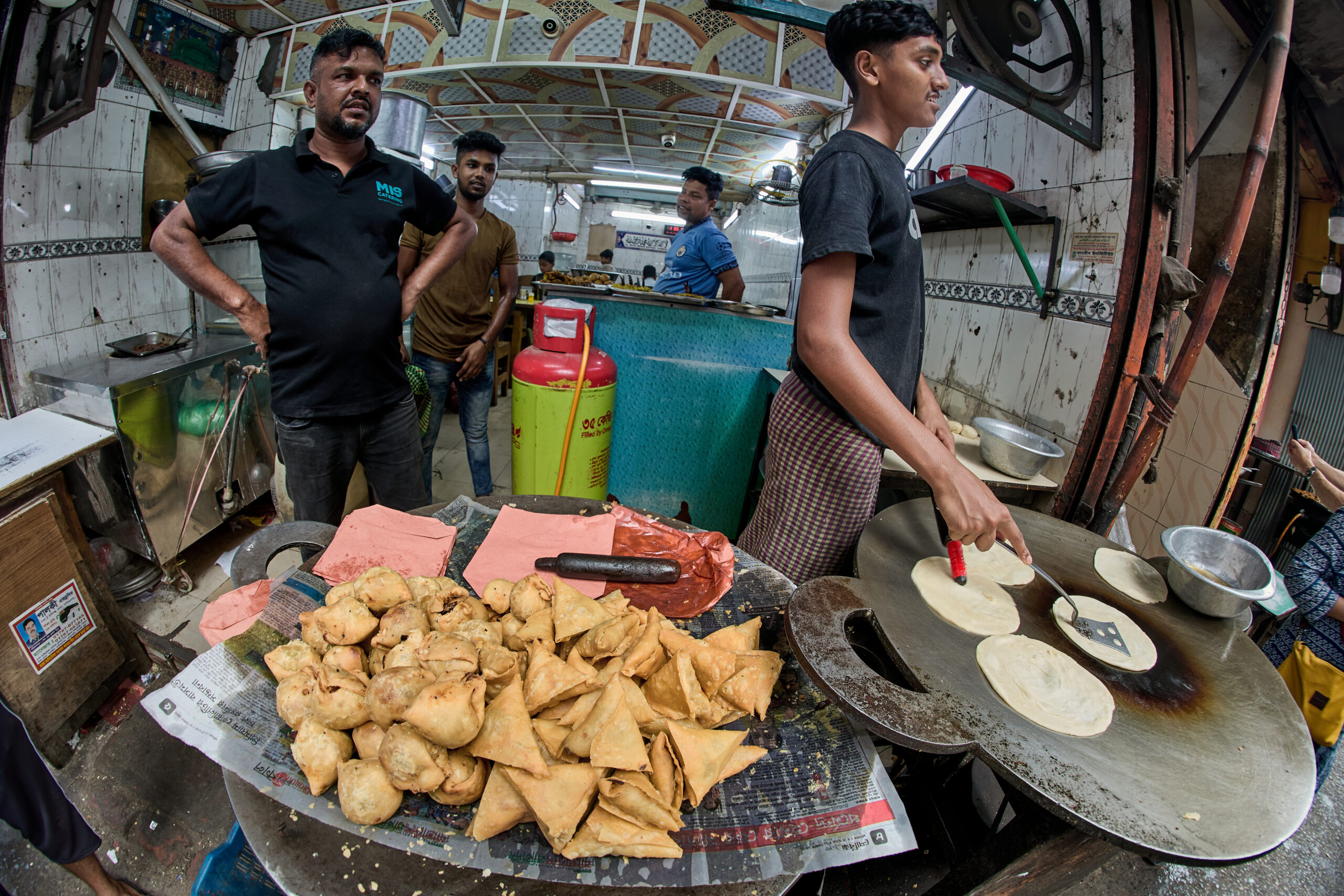
In every town, village and city in Bangladesh taste buds will be tantalised by the sizzle and crackle of onions and spices frying. Internationally, Indian food might be better known, but many of those ‘Indian’ restaurants you might visit at home in Europe or North America are actually run by Bangladeshis. And with good reason. The incredible fertility of the land, the abundance of fish, meats and vegetables and the variation between regions, means that Bangladeshi food is one of unsung cuisines of the world. Make sure that you try the national dish, hilsa fish curry.
3/ Ferry Rides

Travel in South Asia doesn’t get any more adventurous than boarding a huge multi-hulled ferry in Dhaka and sailing to a provincial town. As you slip along the river, the city gives way to rice fields and riverside villages. Small wooden boats pull up alongside the ferry and people and goods hop on and off. Meanwhile, back on board, the captain navigates the ever-shifting river sandbars, and a continuous stream of curious locals bombard you with questions. This is one adventure where the journey is more important than the destination. The Native Eye Waterways, Wildlife and Hill Tribes tour includes an overnight ferry ride between Dhaka and Barisal in a first-class cabin (note that first class in Bangladesh is not quite the same as first class on a luxury cruise ship in the Mediterranean!), which is often one of the highlights of the trip for most of our guests.
4/ The Sundarbans
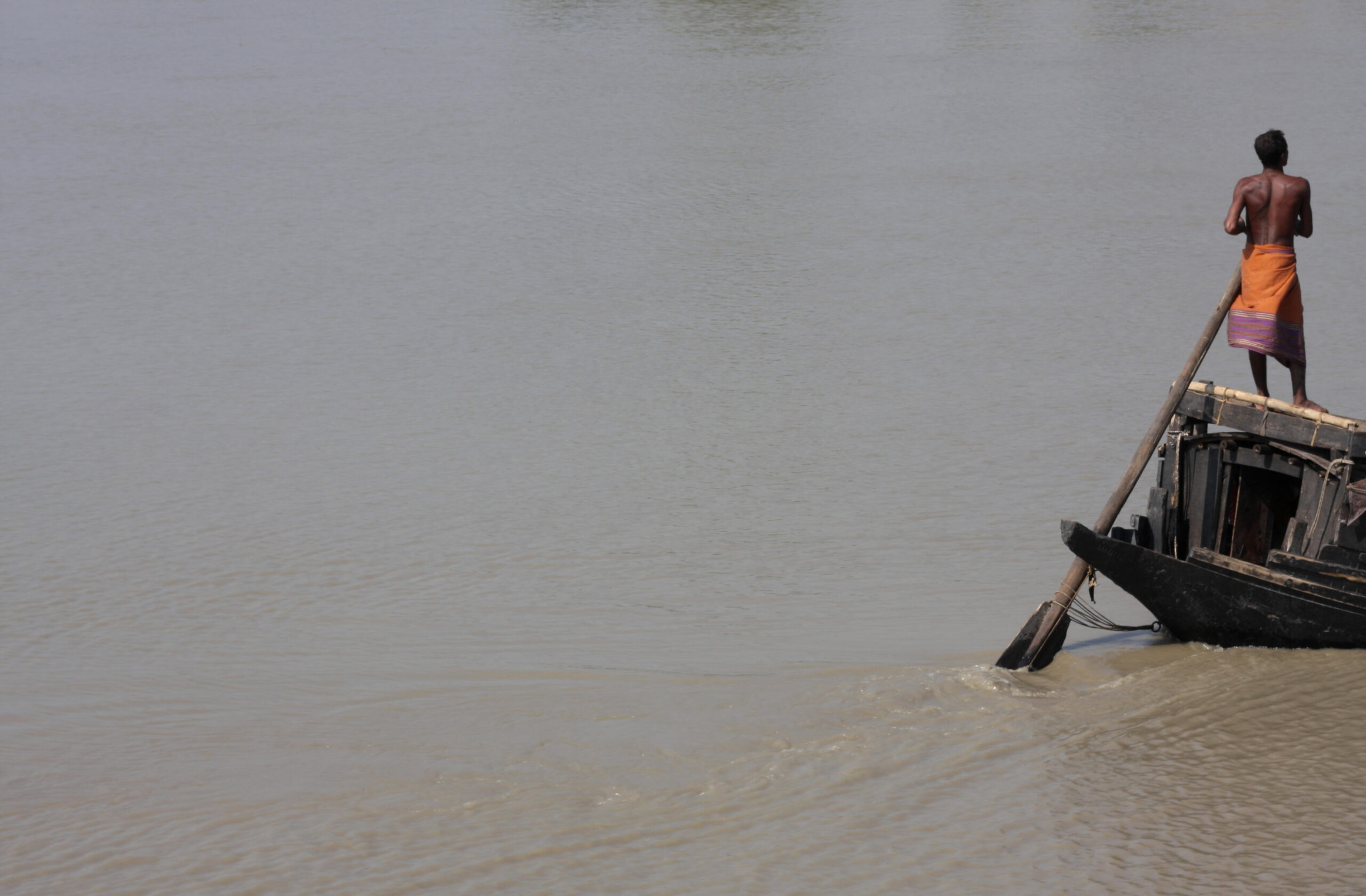
In the tangled shadows of the Sundarbans, the world’s largest mangrove forest, men fear to tread. And that’s because in this maze of river channels and tightly interlocking trees, lives a population of Bengal tigers with a chilling reputation for eating people. Fortunately (depending upon how you look at it), the tigers are very elusive and seeing one on a boat safari is very rare, but alongside huge crocodiles and a mass of bird life, you are likely to see the tiger’s other favourite food – wild boar and spotted deer. Our Waterways, Wildlife and Hill Tribes tour includes a two-night Sundarbans boat safari.
5/ Chittagong Hill Tracts
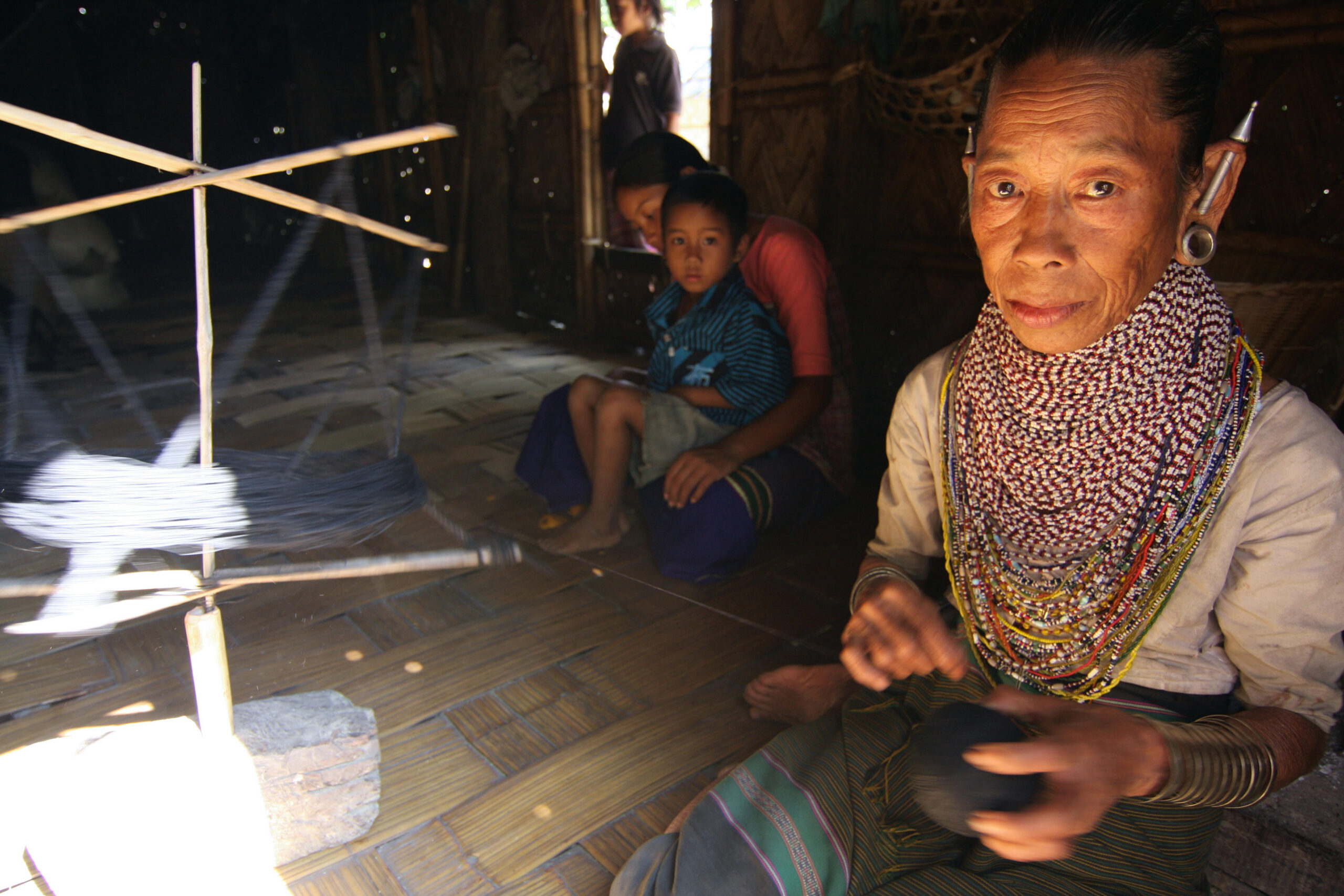
Think Bangladesh is pancake flat? Then think again. The Chittagong Hill Tracts, in the far southeast of the country, rise up to a respectable 1063m, but that’s not the only thing that makes this area stand out from the rest of Bangladesh. Myanmar and the Indian state of Mizoram are just the other side of the mountain ridges and ethnically, religiously and geographically, their influence is strong in this part of Bangladesh. Chakmas, Marmas, Tripuri and many more, the Chittagong Hill Tracts are a kaleidoscope of ethnic groups. It’s just another reason why visiting Bangladesh is such a fascinating experience.
6/ The Lost City of Bagerhat
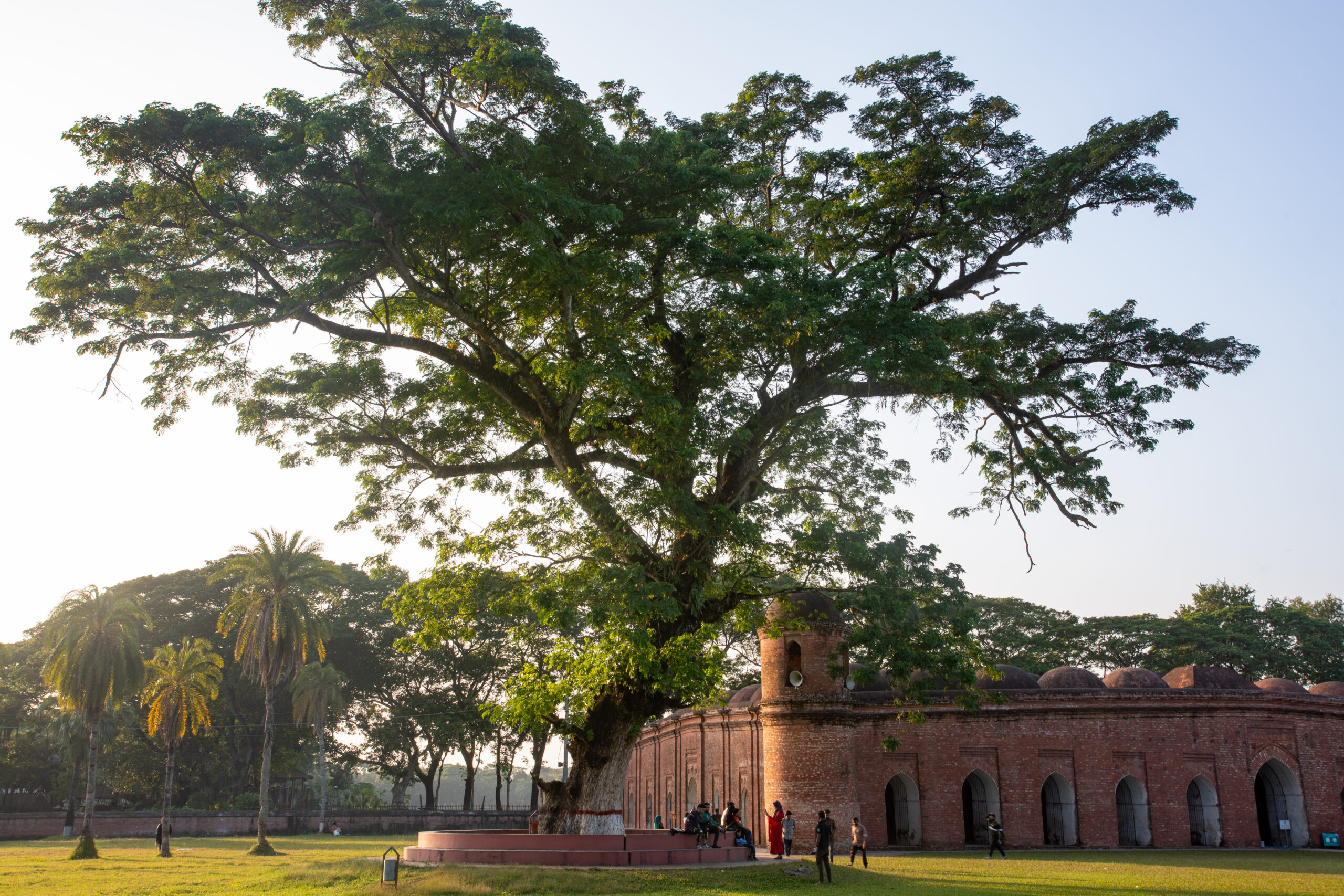
In the mid-15th Century, Khan Jahan Ali, a revered Sufi saint and military general (an odd combination!) established the city of Bagerhat in southwest Bangladesh. A centre of religion and learning, the town thrived – for a while at least. But, with the death of its founder, the town lost its importance and was reclaimed by the jungle. Four hundred years later, the ruins of Bagerhat were rediscovered. Today the village of Bagerhat is home to dozens of historic mosques (some of which are once again in use), tanks and water cisterns. Not just is this Unesco World Heritage Site the most important historic site in Bangladesh, but it’s also a delightfully quiet and peaceful place to explore. Bagerhat isn’t the only place of historical significance in Bangladesh though. The country also contains the ruins of several important Buddhist era sites. We visit Bagerhat and some of the Buddhist sites on our Bangladesh tour.
7/ Old Dhaka
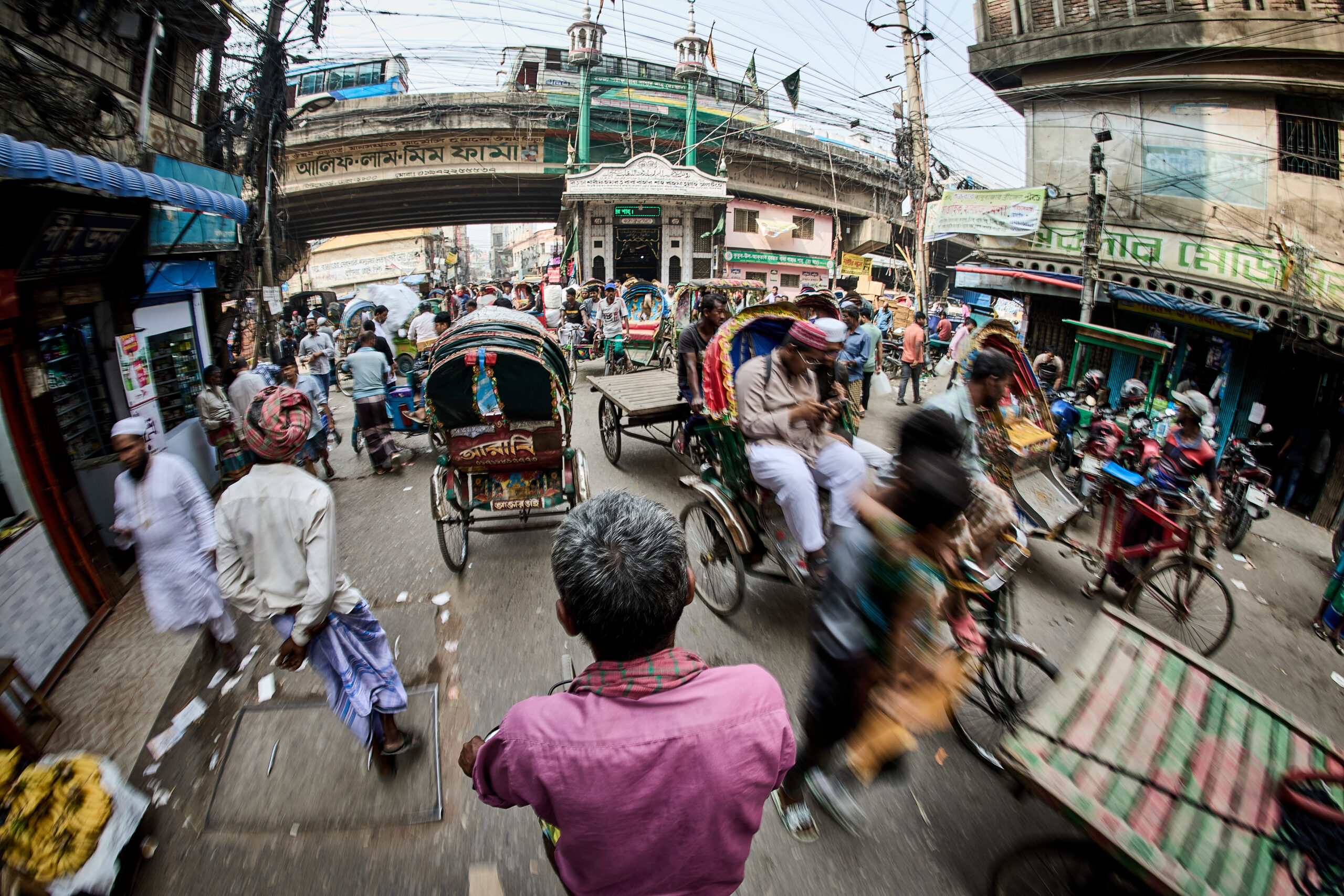
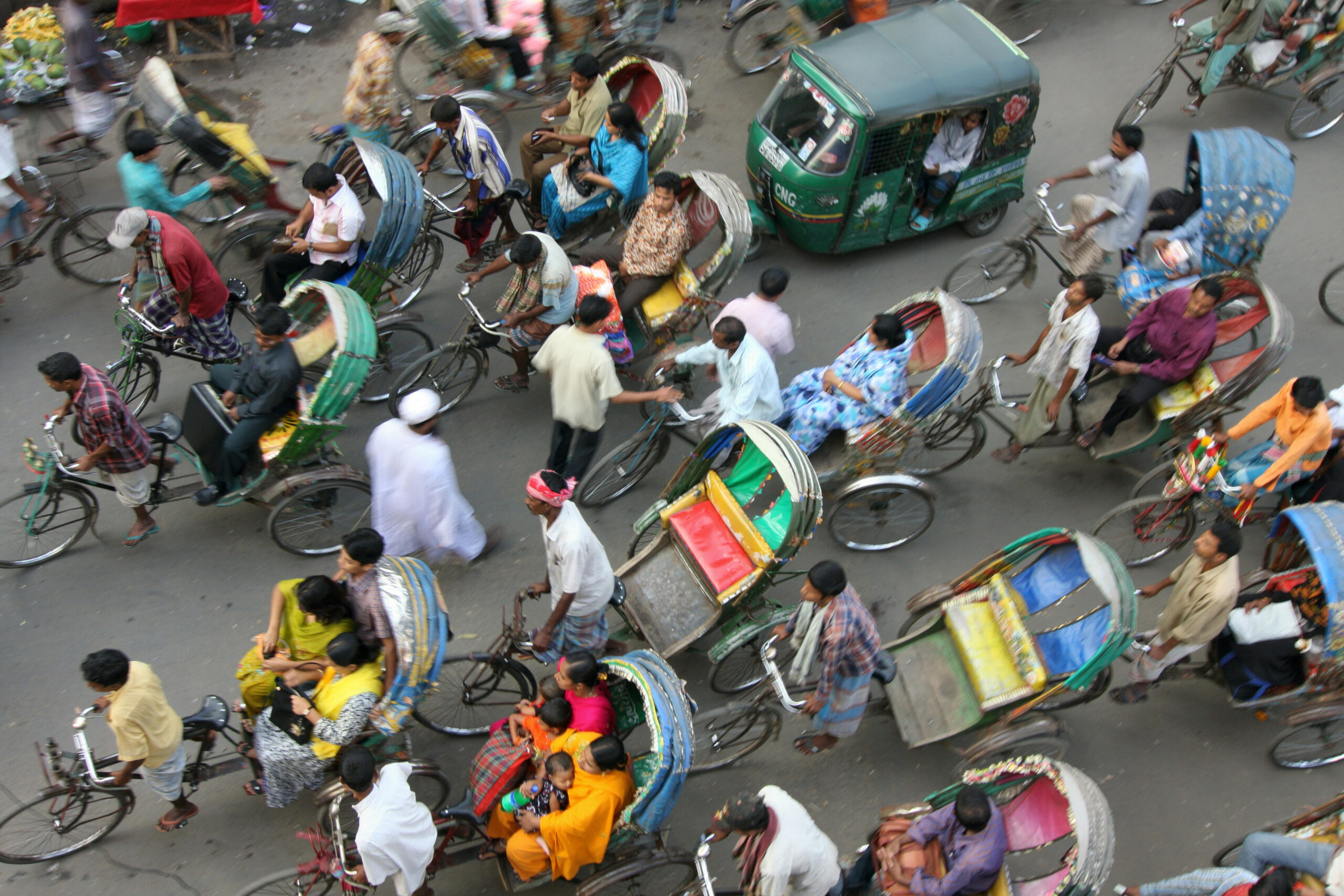
Somewhere that cannot be described as quiet and peaceful is Dhaka. The huge capital of Bangladesh (the metropolitan area has a still growing population of 36 million!) is an enormous urban whirlpool that sucks in anyone and anything foolish enough to come within its grasp. At its heart is Old Dhaka, a web of four-hundred-year-old streets that twist and turn around Mughal palaces and British Raj architecture. But it’s not the buildings that will remain in your memory long after your visit, but the seething masses of humanity. Exploring Old Dhaka is to be caught up in a frothing, surging human tide of noise and colour the likes of which you will never encounter anywhere else. Grab a cycle rickshaw with our Native Eye guides and check out the markets, monuments and chaos of Old Dhaka. It will be overriding memory of your visit to Bangladesh.
8/ Tea Country
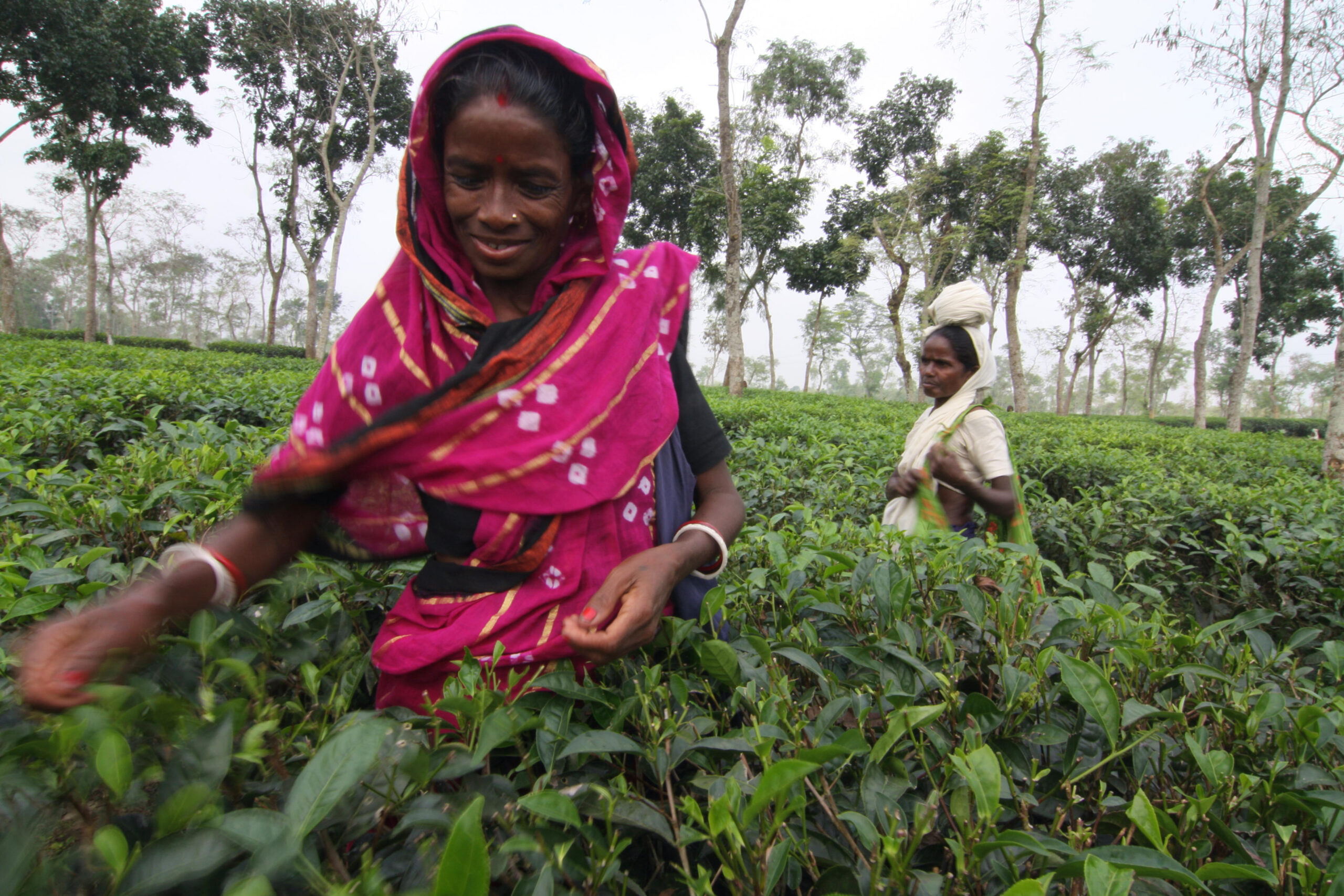
Bangladesh is not a country that many people associate with tea production, but the undulating hills around Srimongal, in the northeast of Bangladesh, are neatly tiered in row after row of tea bushes. We take time to visit a tea plantation and learn about the unique tastes and challenges of low altitude tea production. And yes. We probably will get to sample a few cuppas as well.
9/ Sunset
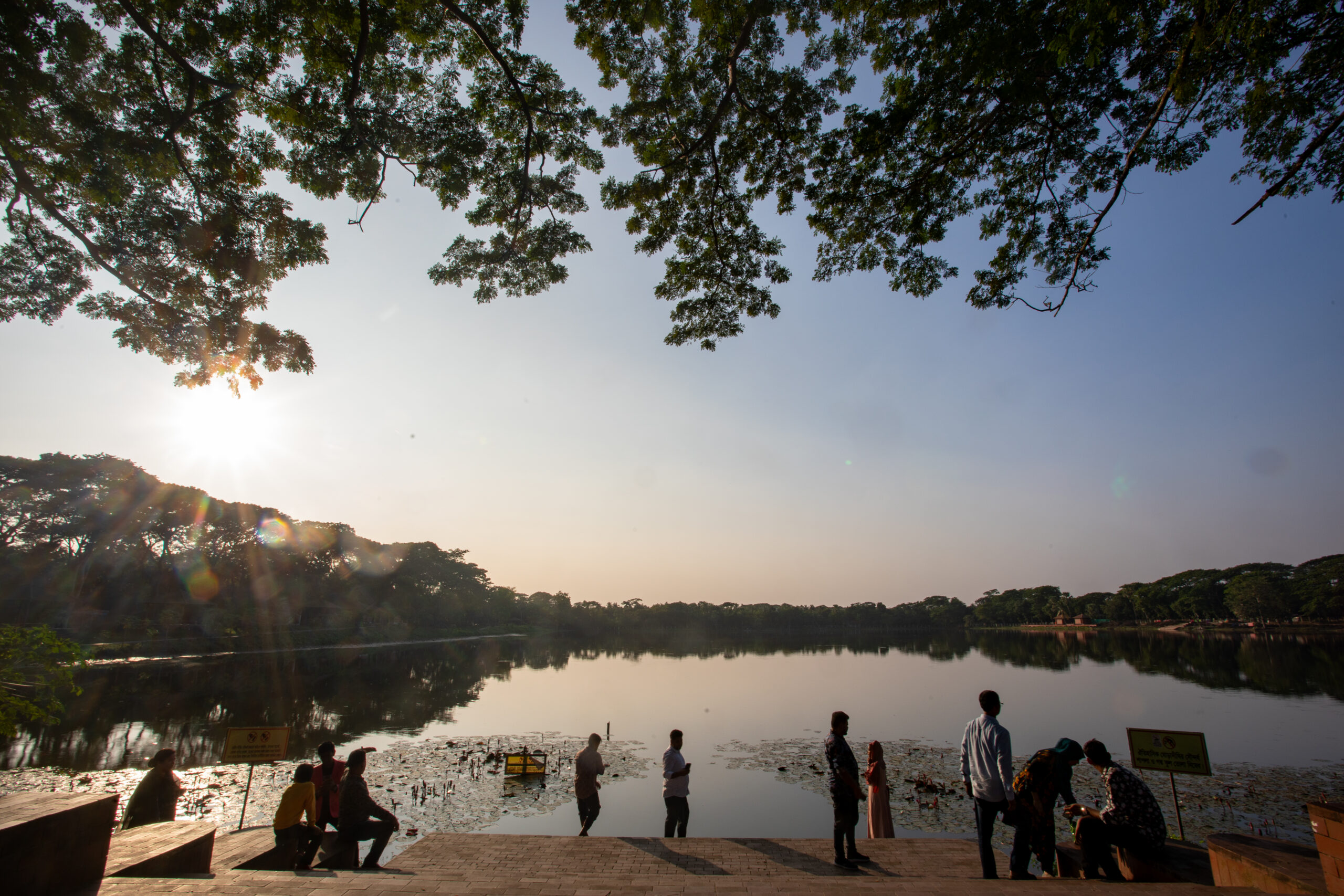
There’s no getting away from it. Bangladesh can be a hard country. The crowds, pollution, noise and dirt can feel unrelenting. But then, just when you think you’re coming close to breaking, you find yourself in a small village watching the sun sink below the horizon. The air is golden and cool, a passing bullock cart kicks up the days dust, a boatman waves a friendly hand and a child jumps into the still waters of a Mughal era tank (water storage reservoir) covered in lotus flowers. And with that, you fall in love with Bangladesh all over again.
10/ The Bangladeshis
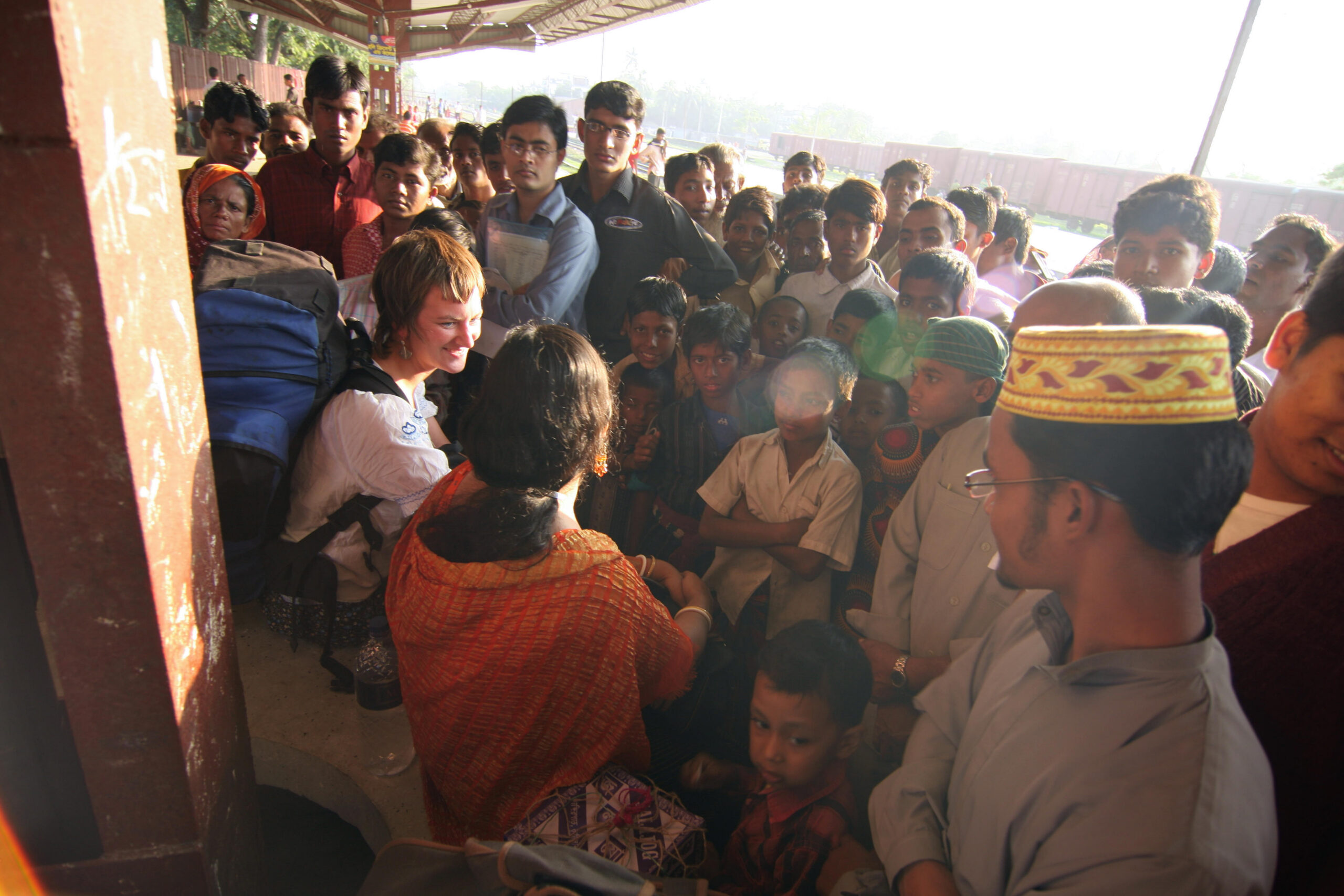
People are everywhere in Bangladesh. The country is only a little larger than England, but it has a population of 178 million (the eighth most populated country in the world) and is the world’s most densely populated country (excluding city states and micro nations). With international tourists being so rare it means that no matter where you are or what you are doing you will have a fascinated audience studying your every movement. But here’s the delightful part. Bangladeshis want you to enjoy their country and go out of the way to help. Invites to stop and drink tea or eat lunch are a dime a dozen and if you have a question everyone will try to answer it. The sights of Bangladesh are impressive, but it’s the warmth of the people who will make you want to visit Bangladesh again.
Waterways, Wildlife and Hill Tribes Tour
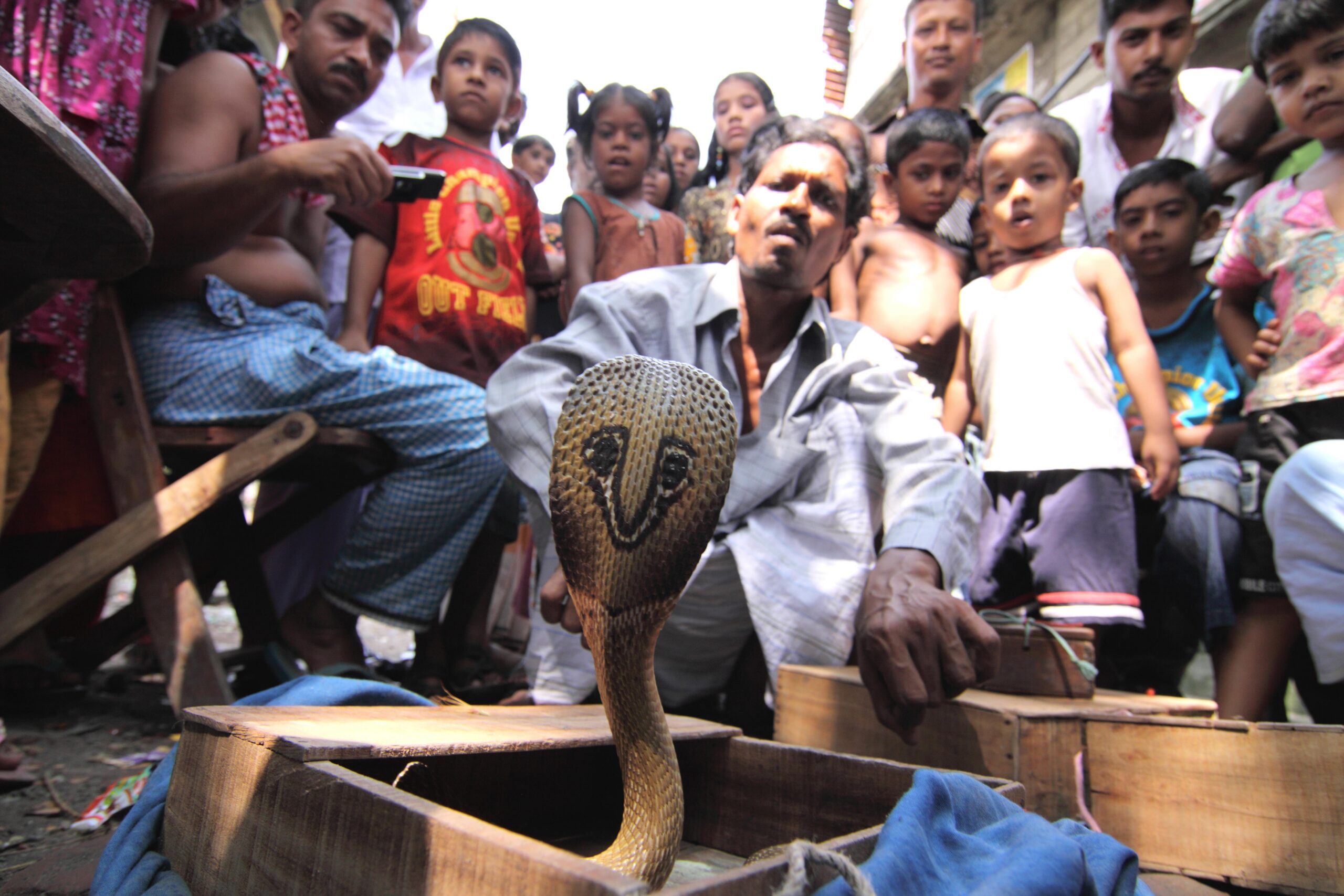
Travelling by car, boat, train and plane, Native Eye’s seventeen-day Waterways, Wildlife and Hill Tribes tour travels to all four corners of Bangladesh and in the process takes in all of the sights and experiences mentioned above. Tours operate in March and November each year.
What our travellers say
Our clients love visiting Bangladesh with us. Here’s what some of our previous clients have said about our Waterways, Wildlife and Hill Tribes tour.
“I thoroughly enjoyed my trip to Bangladesh – it was varied and with a good mix of sites and activities. Mustafa couldn’t have been more helpful, informative and he went out of his way to ensure we were all happy and accommodated for”.
“The trip was excellent. The itinerary was good and covered a huge variety of subjects; the guide, Mustafa, was one of the best we have ever had – knowledgeable, attentive, good at reacting to situations. The minibus was brand new and comfortable, the driver was excellent too”.
How to visit
If the idea of visiting Bangladesh with us floats your boat, get in touch, and we’d be delighted to tell you more. Ring us on 01473 793683 or use our contact form.
Other blogs you may be interested in
Voodoo Child: Searching for Magic with Native Eye
Best Cultural Festivals in Africa for Intrepid Travellers
Central Asia Tours – Guide to the Five Stans
Contact
Destinations
Terms & Conditions