
Tribes PNG
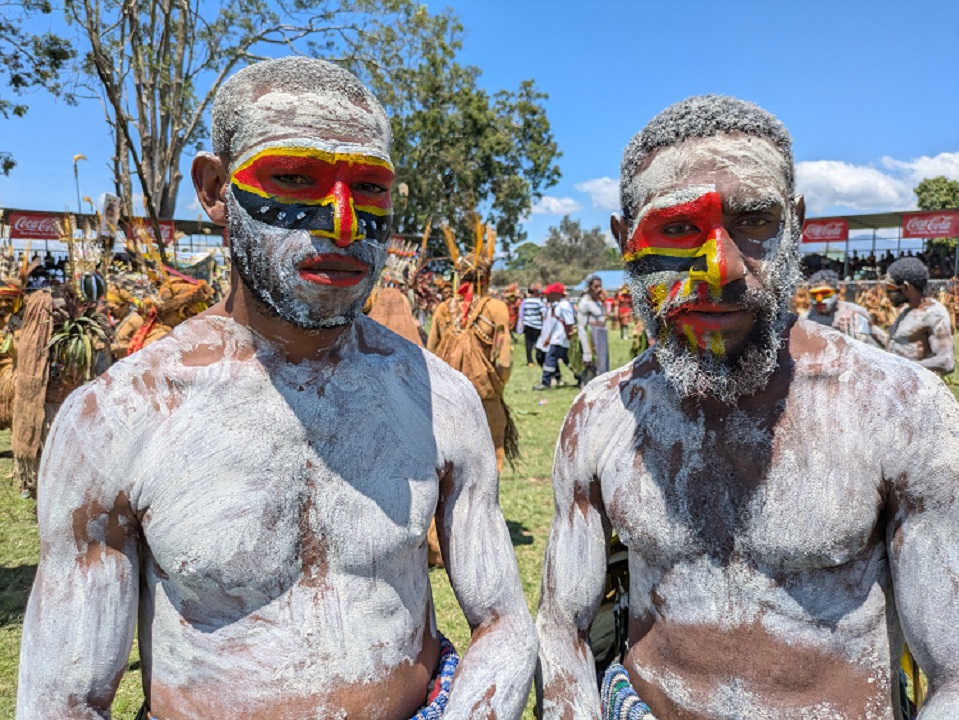
Participants at the Goroka show in Papua New GuineaEarlier this year Native Eye’s Karina Luz Moore travelled on our Papua New Guinea – Gorkha Show and Tribal Lands tour to the furthest reaches of Papua New Guinea. After travelling by boat up the mighty Sepik River she met crocodile men and mud men as well attending the Goroka show and seeing birds of paradise. After she’d re-emerged from the jungle we sat down with her and asked her to tell us all about her experiences during this unforgettable adventure.
A vast land of scrunched up mountains and luxuriant rain forests where rivers serve as roads, the birds are as extravagant as carnival queens and over eight hundred ethnic groups paint, scar and decorate themselves until they resemble crocodiles, skeletons and other nightmare visions. One of the last frontiers of travel, Papua New Guinea is as wild and untamed as it gets.
Travelling in Papua New Guinea doesn’t come easy, but for those willing to venture beyond their comfort zone then Papua New Guinea might turn out to be the adventure of a lifetime. Native Eye’s Karina Luz Moore tells us more.
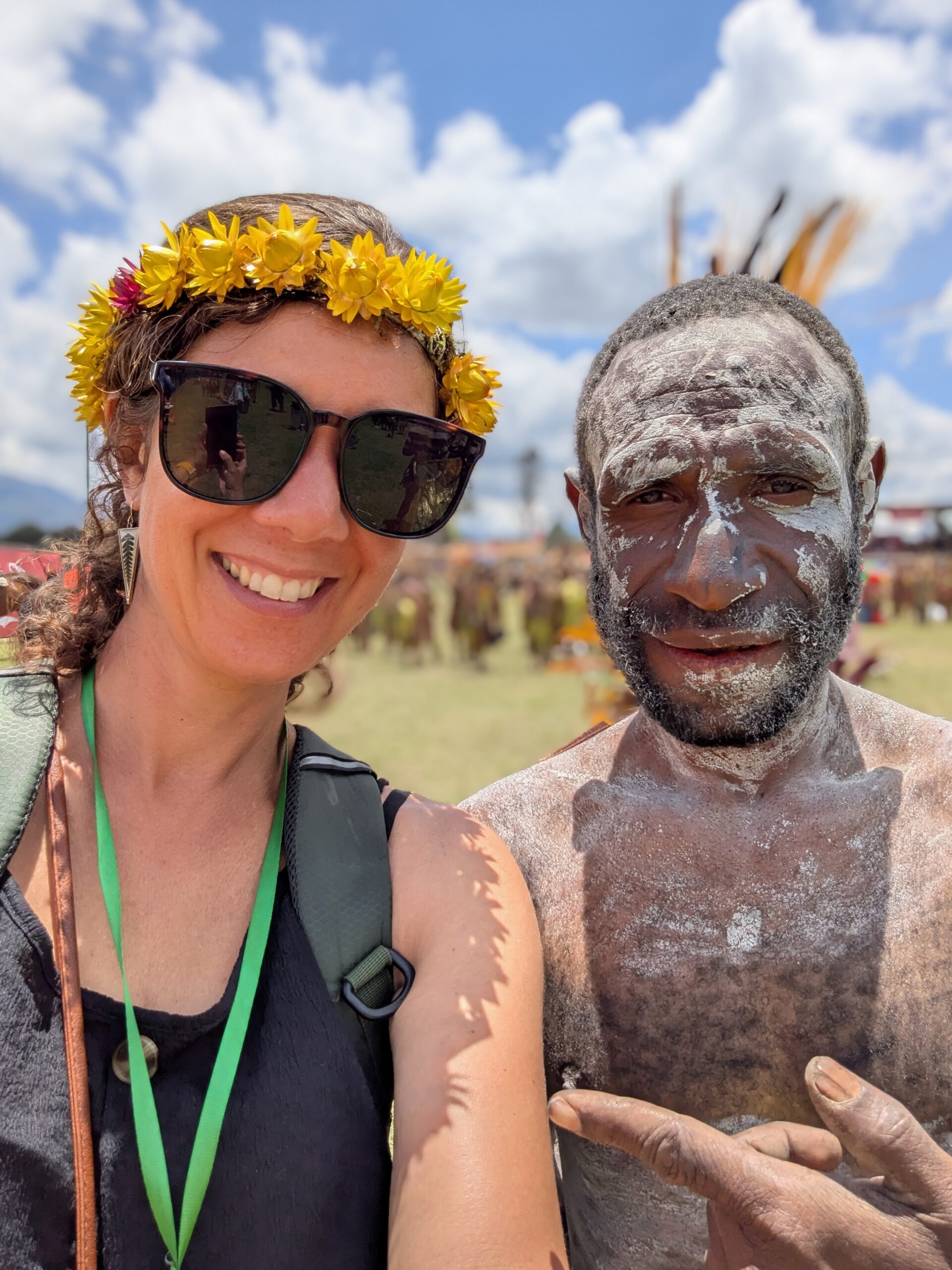
Hello Karina, You’re just back from Papua New Guinea. What an adventure that must have been. I think anyone who hasn’t been to PNG before must have an image of it in mind as a remote and fairly untamed kind of place. What was the reality like?
It was my first time in Papua. I accompanied Native Eye’s Papua New Guinea – Goroka Show and Tribal Lands tour. I didn’t really know what to expect. I had some ideas in my head about the nature, the ethnic groups and that the infrastructure might be limited. I knew about the forests and the birds of paradise. But that was really about it. The forests really are beautiful. When you fly over it you get a sense of how wild it really is. There’s some deforestation but not a lot compared to some other countries. There’s some burning to clear land for crops. But by and large it is still really quite wild. In most respects it was similar to how I imagined it to be.
And how easy is it to get around?
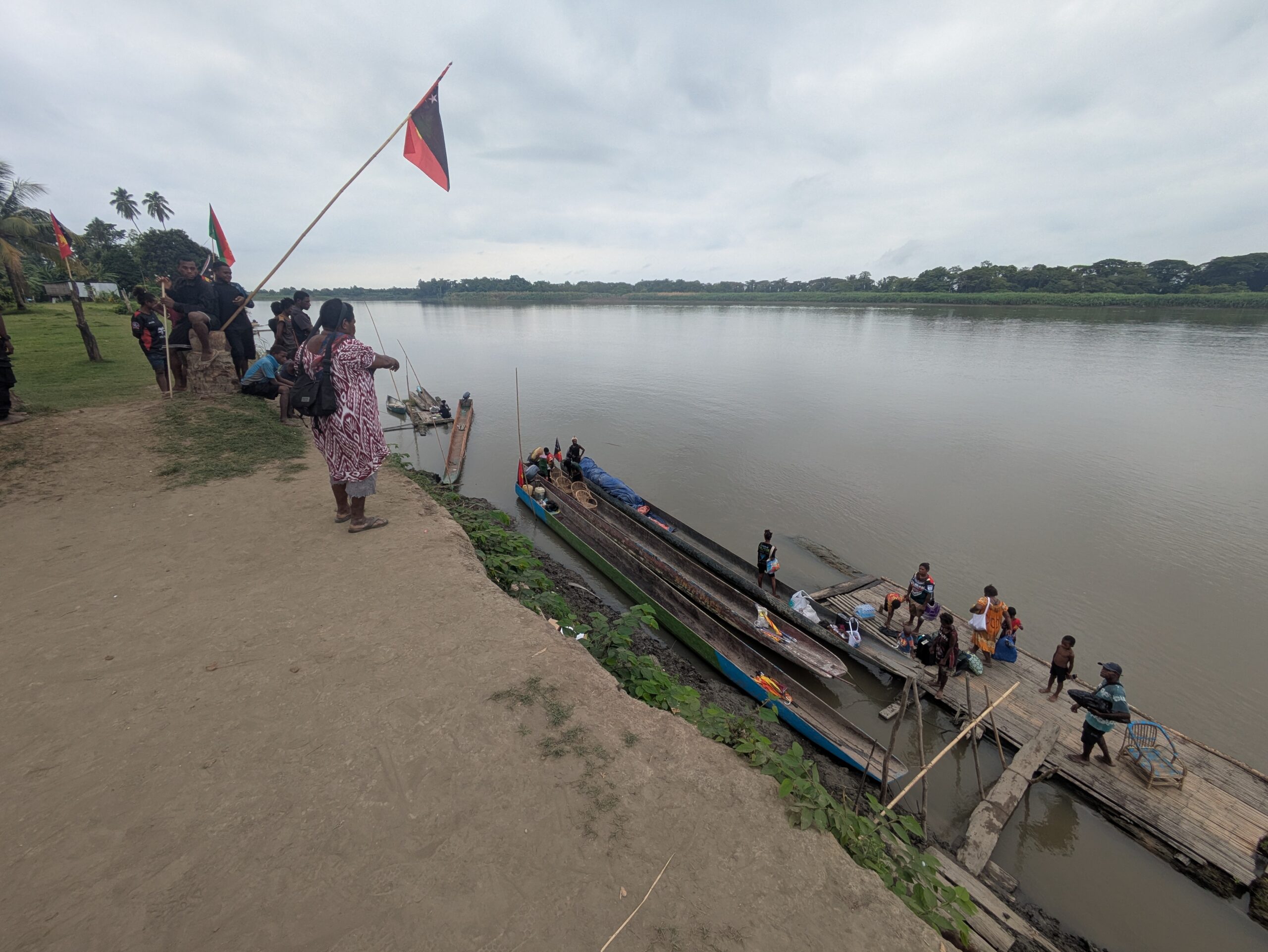
There aren’t many roads. We travelled mainly by small plane and boat. We travelled up the Sepik River in boats to a village where we stayed with villagers for a few nights. It wasn’t a big ferry or a speed boat or anything like that. Just large dug-out canoes – about four or five metres long – that fit about ten people. It was made more comfortable for our group by putting cushions and low chairs into the boat, but that’s it. On day one we spent about three hours on the boat. At first there are a few villages but then nothing. Just forest until we reached the village where we were staying.
When you reached the village you were going to be staying in what kind of facilities did you find there?
It’s basic. There’s a small shop, a spirit house, and then the houses. Most of the houses are built on stilts to protect against flooding.
You mentioned a spirit house. What is that?
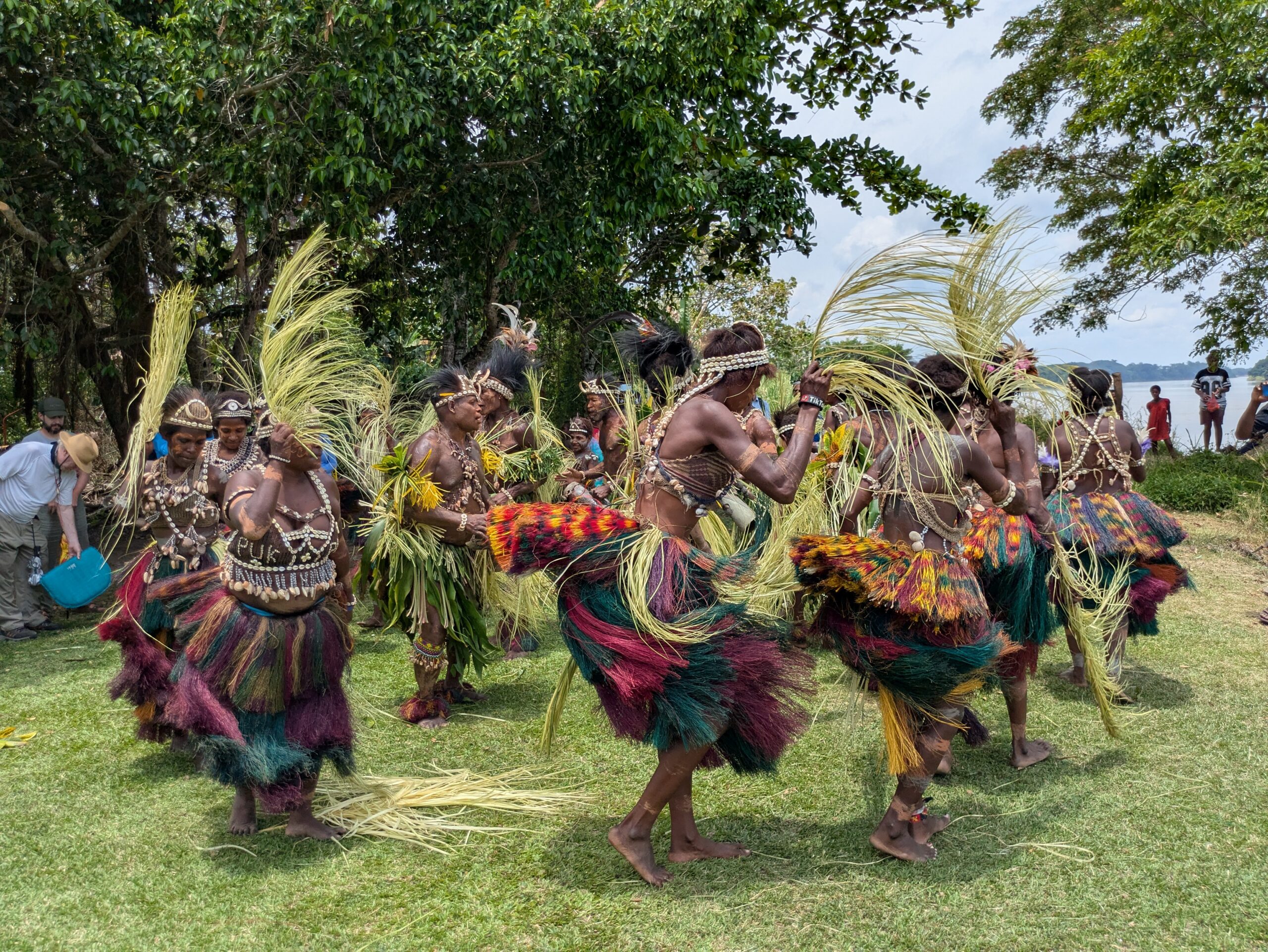
It’s almost like a community centre. They store their masks and drums there. And it’s where they do their initiations. In this village it was the crocodile men so that means that the spirit house is where the ritual scarring is done. This is the ceremony when boys become men. Their skin is scarred to look like crocodile skin. It can take many weeks for the scarring to heal. But they also learn how to hunt and live in the forest. There are other things they learn as well while they’re in the spirit house, but they’re not allowed to tell us about it. The boys are very proud when they have been initiated. But our guide told us that it was also a scary thing to go through.
Do the women have to go through any initiation?
No. They just have to get married, which I suppose can be like an initiation! It’s the boys’ mothers who chose their son’s wife.
What’s the accommodation like?
It depends, but generally we stayed in basic long house with drop toilets. Some of them have been made more comfortable for visitors and now they have some private rooms as well for couples.
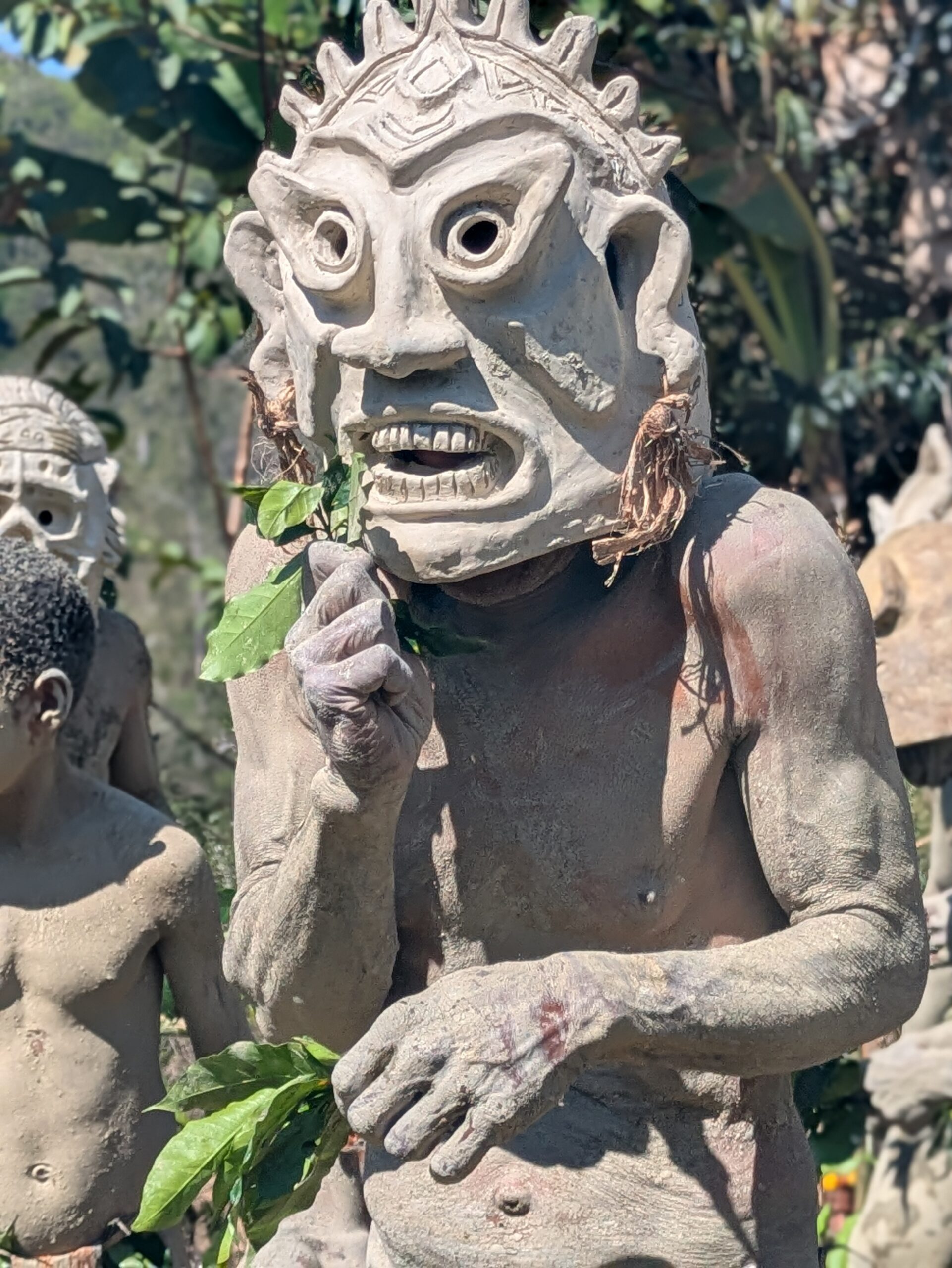
And where did you go next? I heard mention of mud men. Who are they and how did they get that name?
Yes, we went up into the mountains to meet the mud men. This story behind the mudmen is interesting. During WWII, the Japanese invaded Papua New Guinea. They had guns and the locals only had bows and arrows, which weren’t very effective against the guns. In this region the locals made these big mud helmets and costumes then they moved very slowly through the forest like monsters and by doing this they scared the Japanese away.
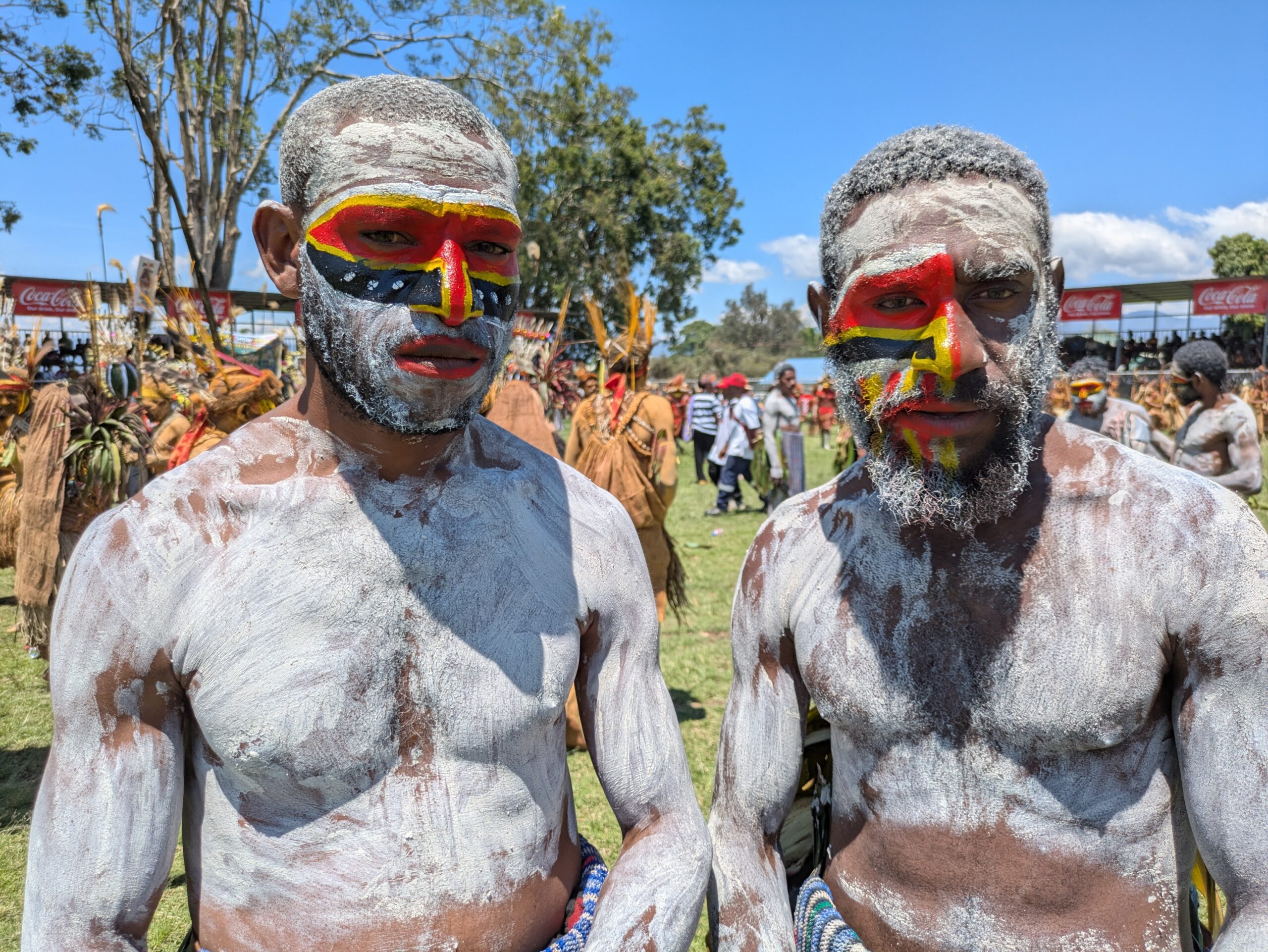
Wow, that’s amazing. Tell me about the Goroka show. What is it and how was it?
It was fantastic. People come from all over the country, so it’s a big event. All the tribal groups come from all across Papua New Guinea in traditional dress. It’s actually a competition. Although I never managed to work out what it was that each group was being judged on! But, it was incredible. They’re so very proud of their tribal cultures and want to show off their traditional dress and costume and this is a great way of seeing some of them.
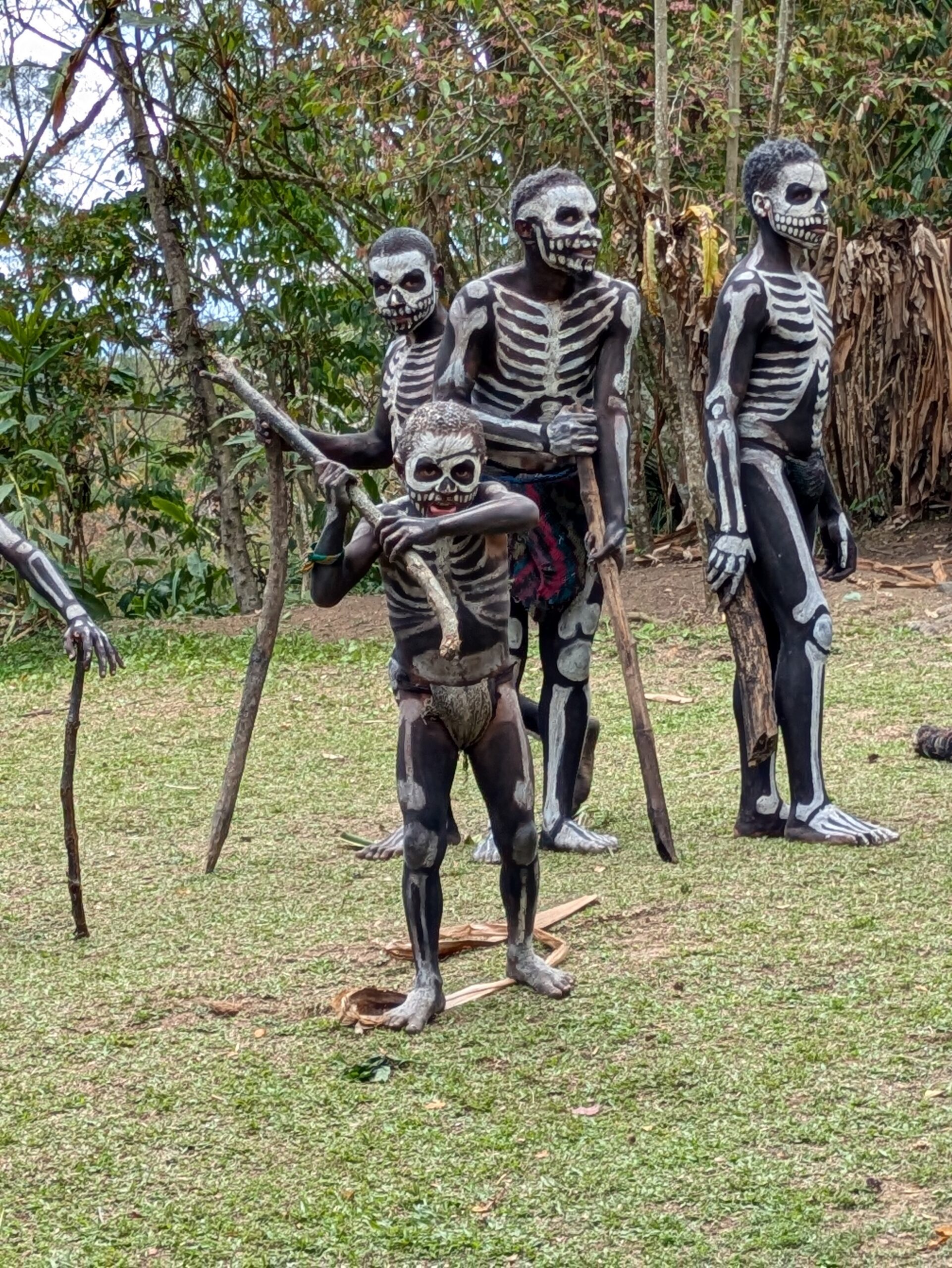
Is tribal culture still strong in PNG?
Oh yes! There are hundreds of tribal groups speaking over 800 languages. Disputes between tribes can still get violent. If there’s a disagreement between tribes then a battle can start which won’t end until one tribe has had all of its houses destroyed. After that has happened, they negotiate. People from the government oversee these negotiations. Some tribes are more violent than others. Our guide said he was from a peaceful, friendly tribe, but even so he told us there had been five big battles in his village in the past few years.
People are very friendly and smile a lot. But, you sense that if you get on the wrong side of them then things will change very quickly. The smile is just to reassure people when they meet that they don’t want any violence.
Onto less violent things, in amazing costumes. Did you see any birds of paradise?
We saw a few birds of paradise. The white ribbon tailed astrapia was one. A really beautiful bird. Unfortunately we had a lot of rain when we were in the mountains where the birds live and it was cold and its harder to find them in these conditions.
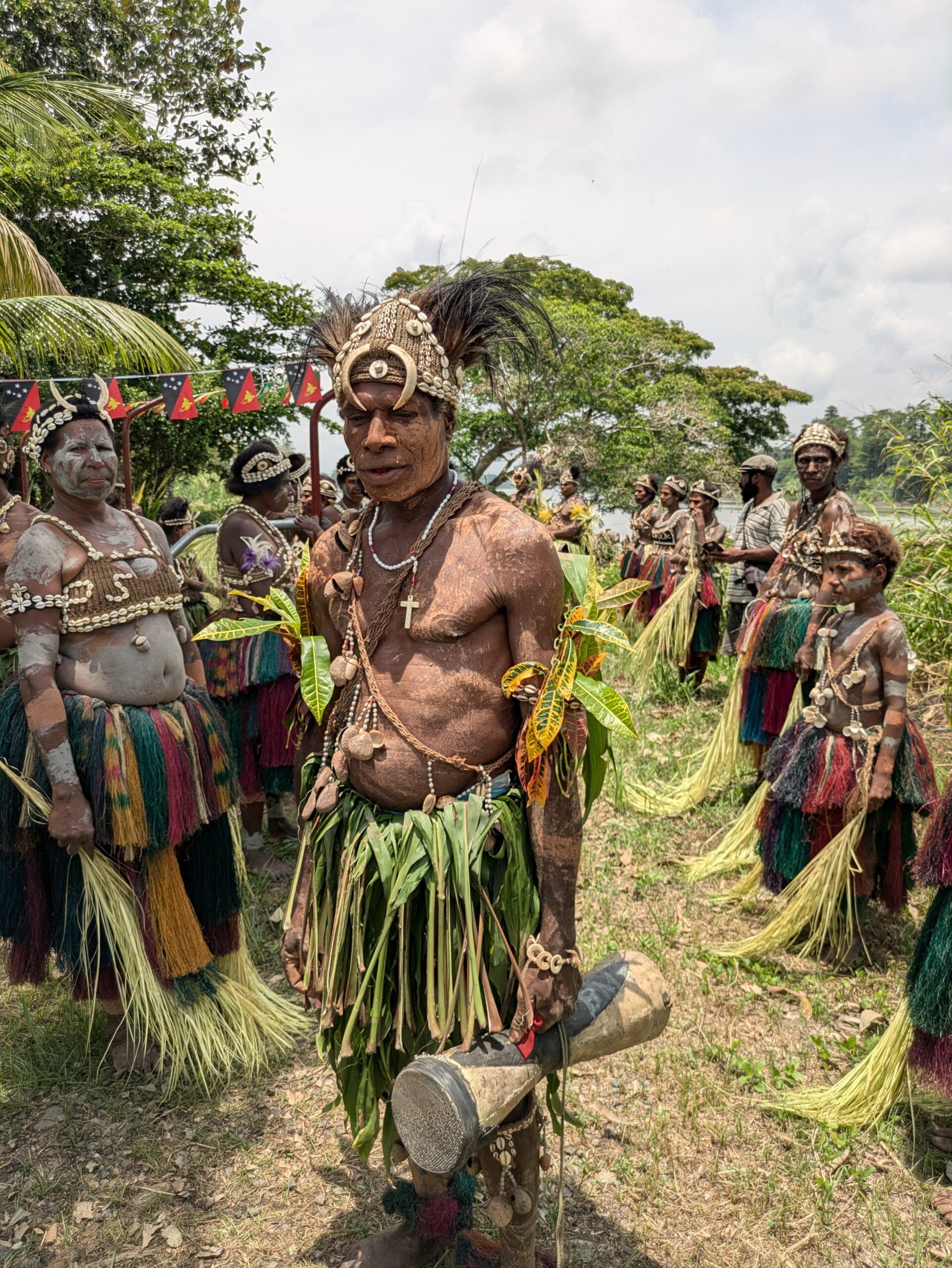
Papua New Guinea sounds like a very off the beaten track adventure. Who would you say this trip would appeal to?
The ideal person would like nature, photography and going to wild places. It is a tough trip. You need to be flexible and understand that things are different in PNG. They don’t care too much about time schedules. You really need to be prepared for an adventure and be willing to rough it a bit. You need to be ready for basic conditions and not always being able to have a hot shower. There isn’t much tourist infrastructure. You must also be ready for last minute changes, but the reward is witnessing a very colourful living culture.
And after an adventure as memorable as this where are you hoping to go too next? Well, I really want to go to Iraq. I’d love to do our Babylon to Kurdistan tour which goes from the south right up to the mountains of Kurdistan. I really want to go to Baghdad and see the things I’ve been hearing about all of my life.
How to visit Papua New Guinea with Native Eye
We operate two tours to Papua New Guinea. The Papua New Guinea – Gorkha Show and Tribal lands tour, which is the one Karina went on and, the very special Spiritual Heartlands of PNG, which is a real expedition to some of the remotest corners of the country. If you fancy yourself as a modern day explorer then please get in touch with us through our contact page.
Check out these other blogs
Meeting gorillas, elephants and a dinosaur in Central Africa
Voodoo Child: Searching for magic with Native Eye
Best Cultural Festivals in Africa for Intrepid Travellers
Contact
Destinations
Terms & Conditions