
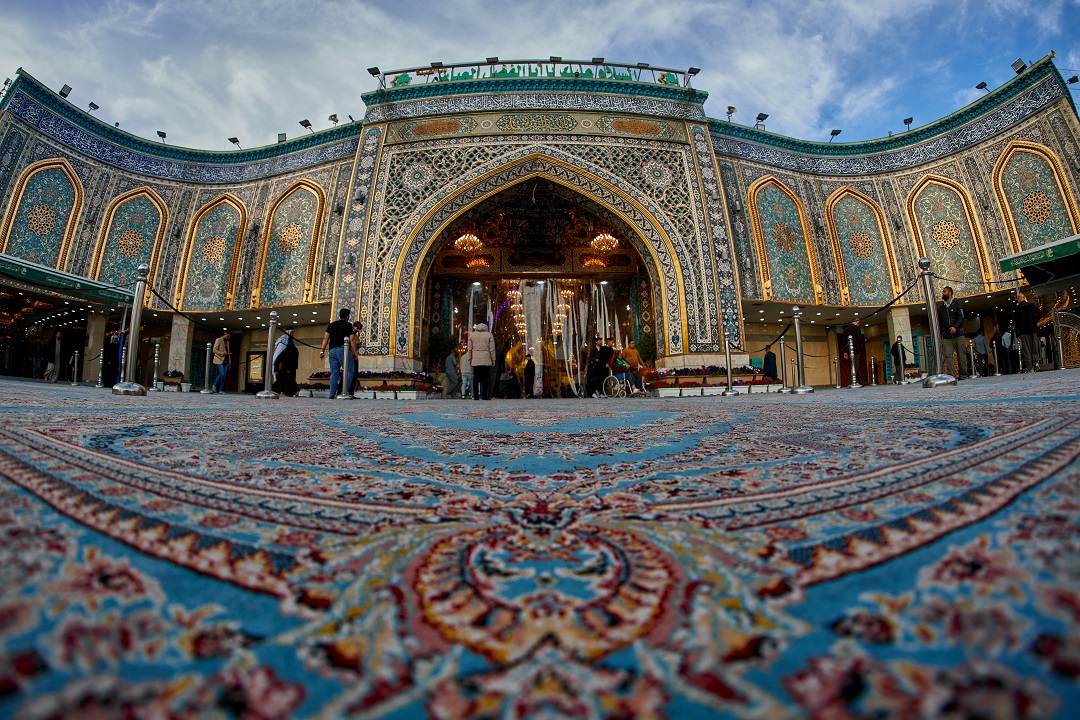
Iraq isn’t the first place that springs to most peoples minds when considering their next holiday destination. But maybe you should think again! In this article we explain why you should visit Iraq.
Why visit Iraq? It’s a natural question to ask. For most people, Iraq is nothing but war, sectarian violence, Saddam Hussein, weapons of mass destruction (or not) and Islamic State. But, unknown to most people, that was then and this is now. And Iraq in 2026 is not the same as Iraq in 2006.
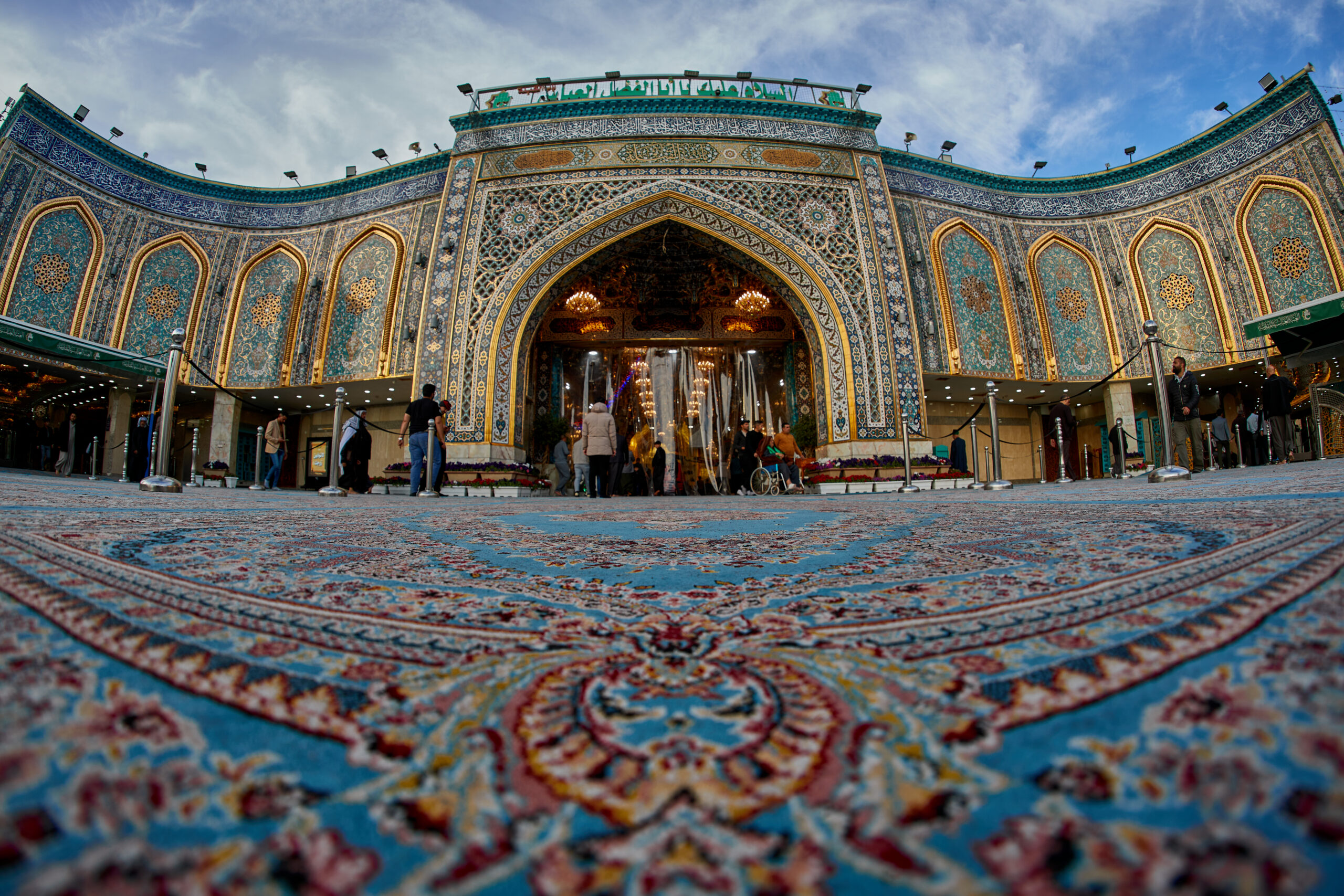
Instead, Iraq today is a place of city parks full of picnicking families, gorgeously tiled mosques thronged with pilgrims and ancient cities that changed the course of history. It’s a place of ethnic and religious diversity where people live peacefully side by side and a place of snowcapped mountains and rich, fertile marshes.
It’s also the birthplace of civilisation and the place where all our lives began. It’s where Adam and Eve plucked the forbidden fruit from the Tree of Knowledge of Good and Evil and were expelled from the Garden of Eden. It’s the home of Moses and it’s where a man built a boat to ride out a great flood. It’s where the wheel was invented and the written word. It’s even the place where the very concept of time itself was created. In short then, without Iraq everything would be different.
And while violence and dictatorship have kept all these wonders out of sight and mind for most of the past fifty years or so. Things are different now. So, let’s take a more detailed look at why you really should visit Iraq.
Birthplace of all our Lives
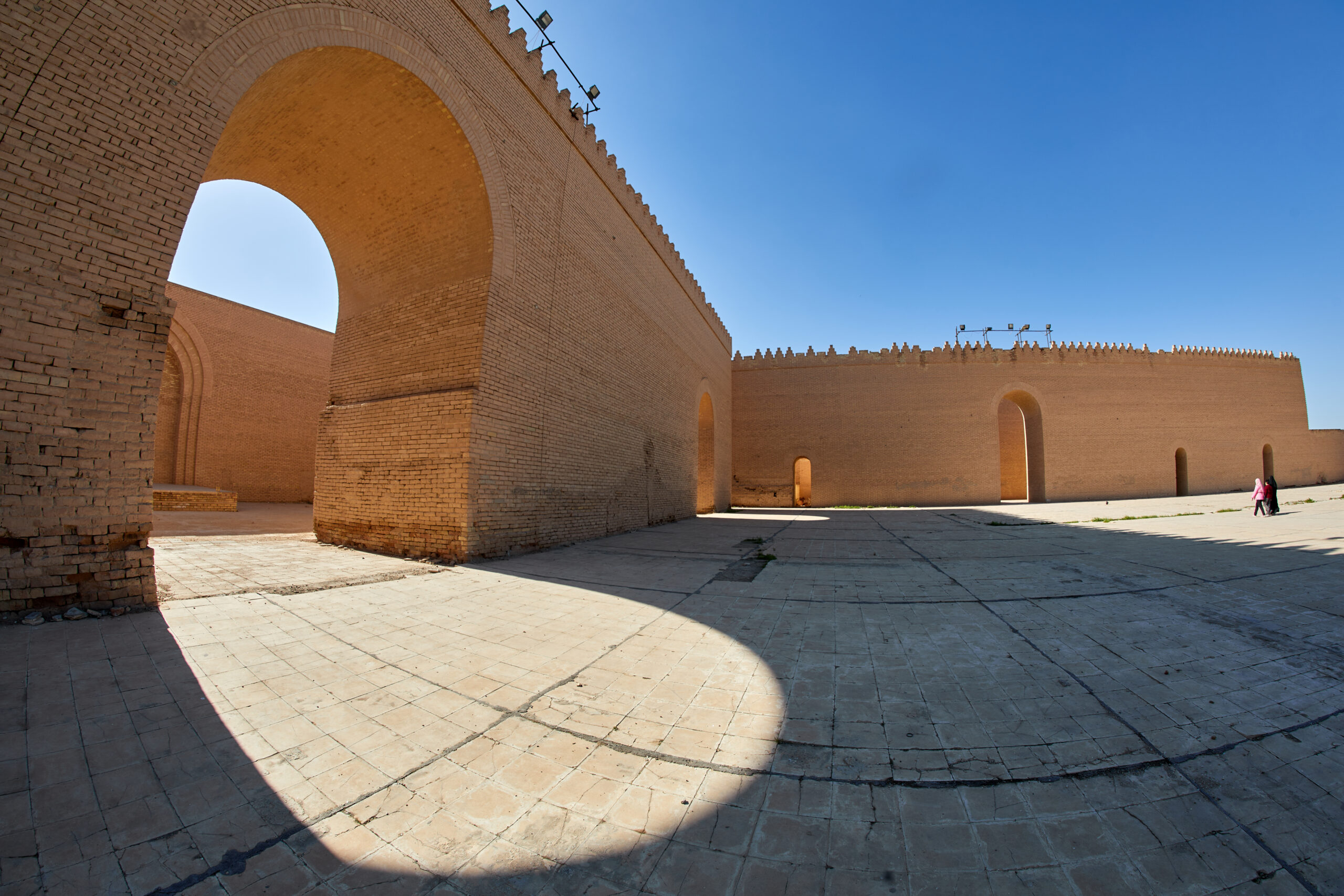
It all began along the banks of the Tigris and Euphrates rivers in southern Iraq, some six thousand years ago. This southern part of the Fertile Crescent was where the Mesopotamians built the world’s first cities. And once that was done, they created the wheel, the written word, literature, mathematics and administration (yeah, nowhere’s perfect), mass produced ceramics, the sail, maps, bricks, beer and even time itself. In other words, in the Land between the Two Rivers, civilisation was born. Today, Iraq contains thousands of ancient sites. Most are mere bumps in the sand that remain unexcavated. But some – such as Uruk (the world’s original city and the very place where the first words were noted down), Ur and Babylon, are large and hugely atmospheric sites of global significance. And the best thing about them, is that often there’s barely a single other visitor there. Imagine that! Standing in the place where time was invented and hearing nothing but the whistle of the desert wind. Babylon, Ur and Uruk are all visited on our From Babylon to Kurdistan tour and our Mesopotamia Explorer tour.
Pilgrimage
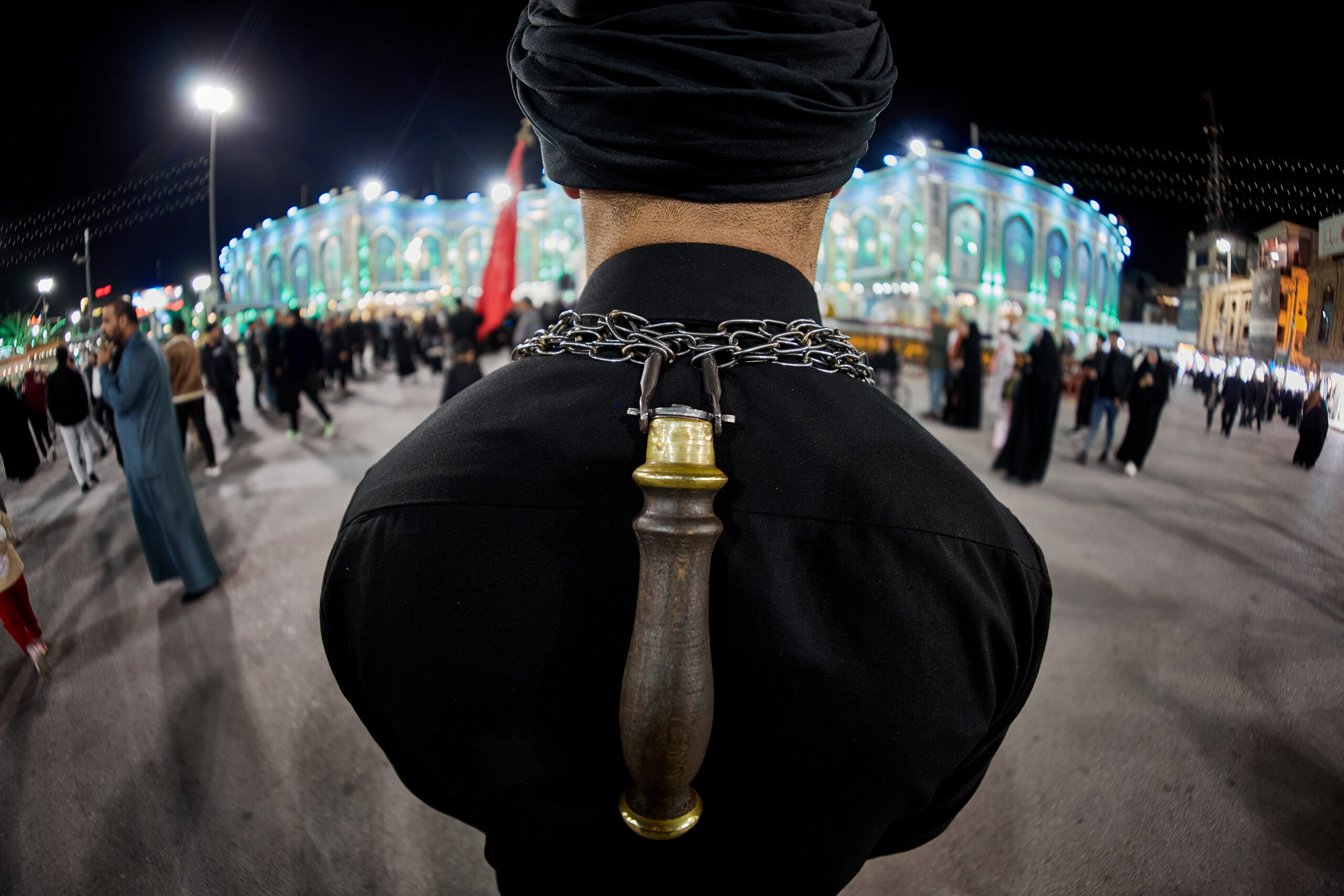
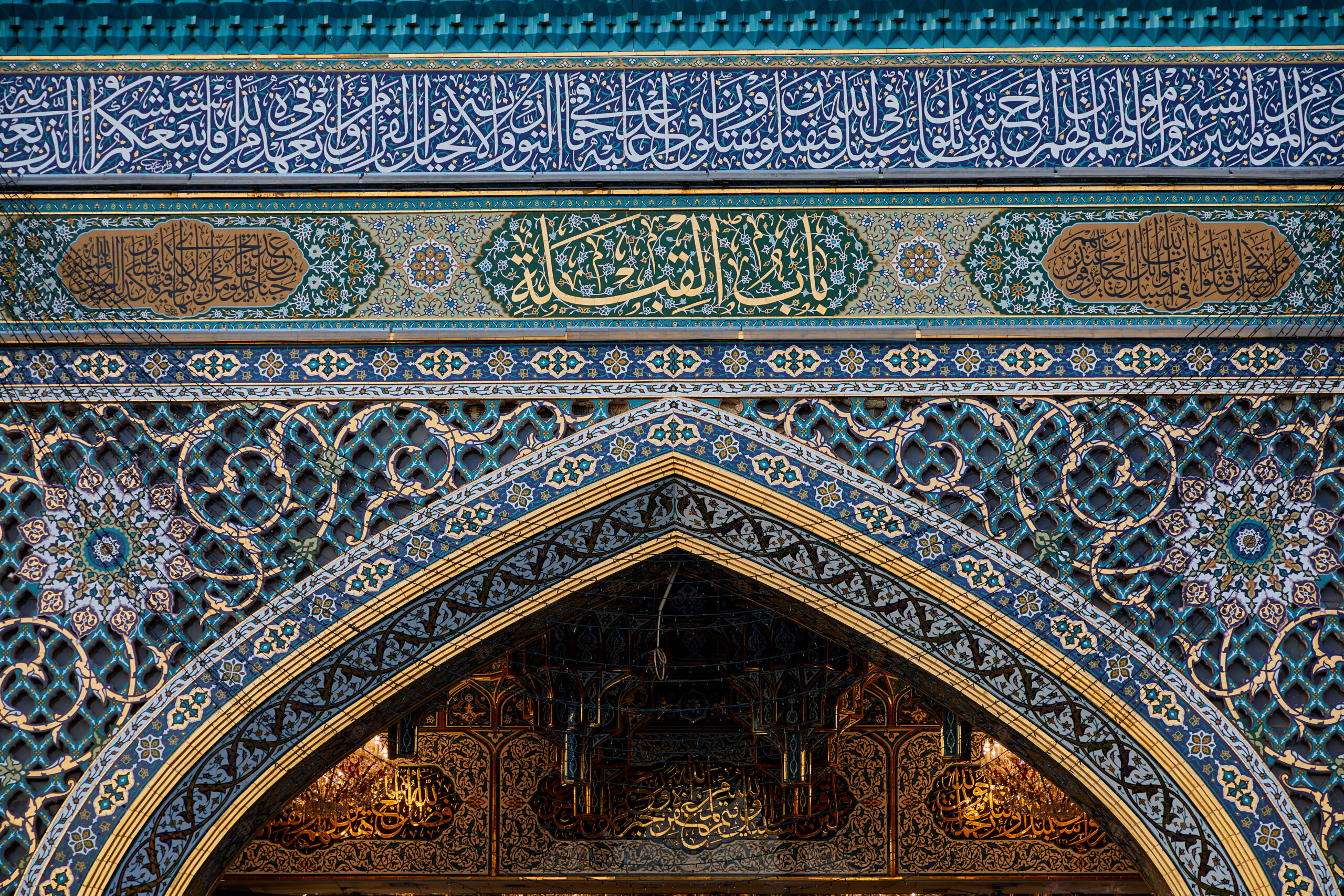
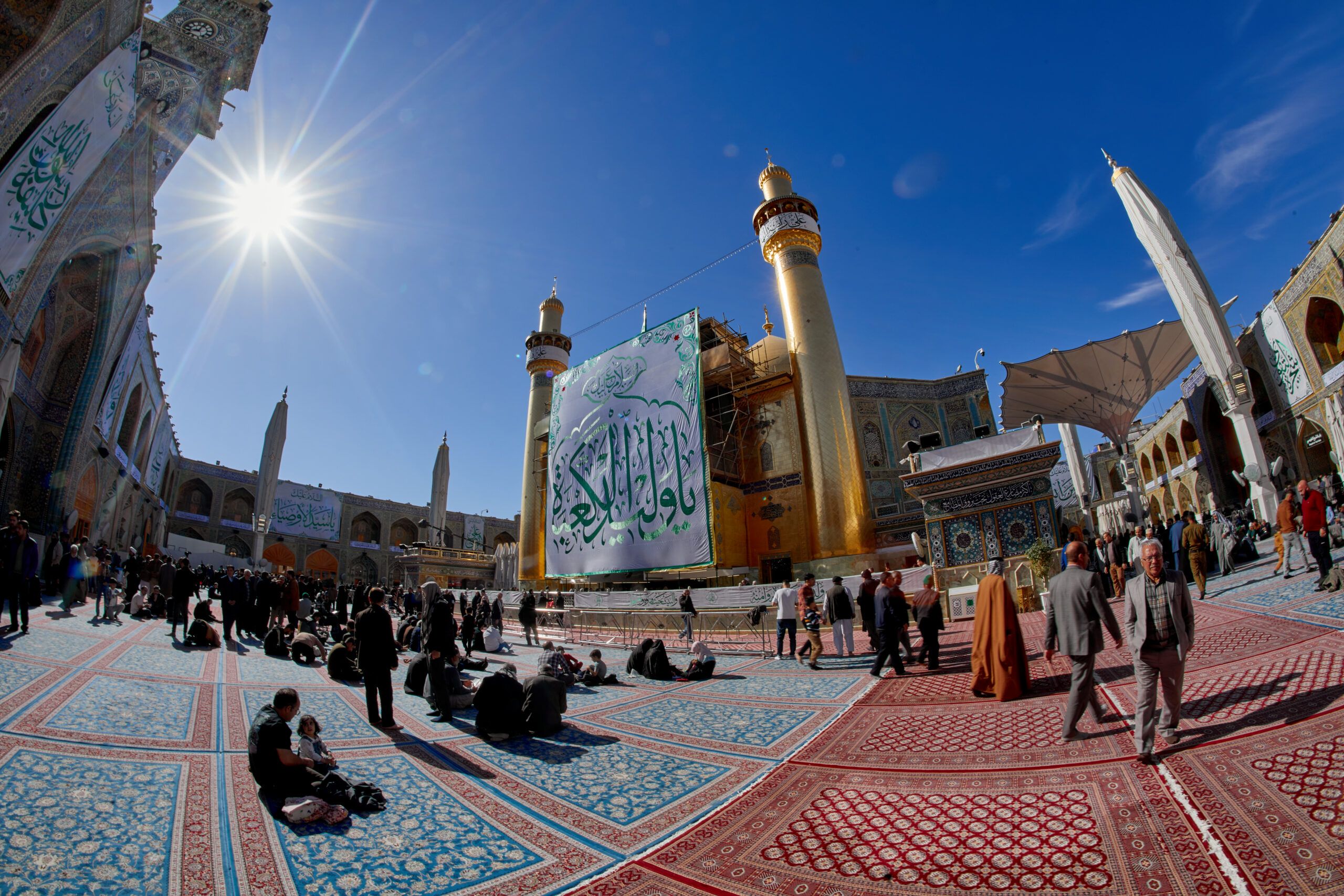
Would it surprise you to hear that even throughout Iraq’s darkest days the country continued to receive tourists. And we’re not just talking about a few brave souls. We’re talking millions of tourist arrivals every year. The reason they hurried to Iraq? The shrine complexes at the heart of the two holy cities of Karbala and Najaf, which are the centre of the spiritual world for followers of the Shia branch of Islam. Every year over 20 million Shia Muslims from across the world (with the majority of non-Iraqis coming from Iran) come to Karbala and Najaf on pilgrimage. Visitor numbers peak during the spectacular Arbaeen pilgrimage when millions of pilgrims dressed from head to toe in black walk the 80km between Najaf and Karbala to commemorate the martyrdom at Karbala of Hussain Ibn Ali, a grandson of the Prophet. It was his death that sparked the Sunni-Shia schism in Islam. The biggest annual pilgrimage in the world, the pilgrims partaking in Arbaeen often appear visibly moved to be treading such holy ground. Some even whip themselves with chains in order to symbolise the suffering of Hussain. Tied to the lunar calendar, the Arbaeen pilgrimage currently – and for the coming years – takes place right in the middle of Iraq’s furnace-like summer. But, for those coming at more bearable times of years, the shrines at Karbala and Najaf (Najaf is the burial site of Imman Ali, the cousin and son-in-law of the Prophet and the first Imam of Shia Islam) are still unmissable. The shrines, both of which cover a vast area (Karbala in particular), centre on two of the most beautifully tiled mosques anywhere in the Islamic world. The complexes, which are busy throughout the year, are open to all (although some parts are segregated by gender) and visiting them might turn out to the be the most memorable moments you spend while travelling in Iraq. They are especially atmospheric in the evening as the sun streaks purple across the horizon, the muezzin calls out and elated pilgrims invite you to walk with them. Visit Karbala and Najaf on our From Babylon to Kurdistan tour and our Mesopotamia Explorer tour.
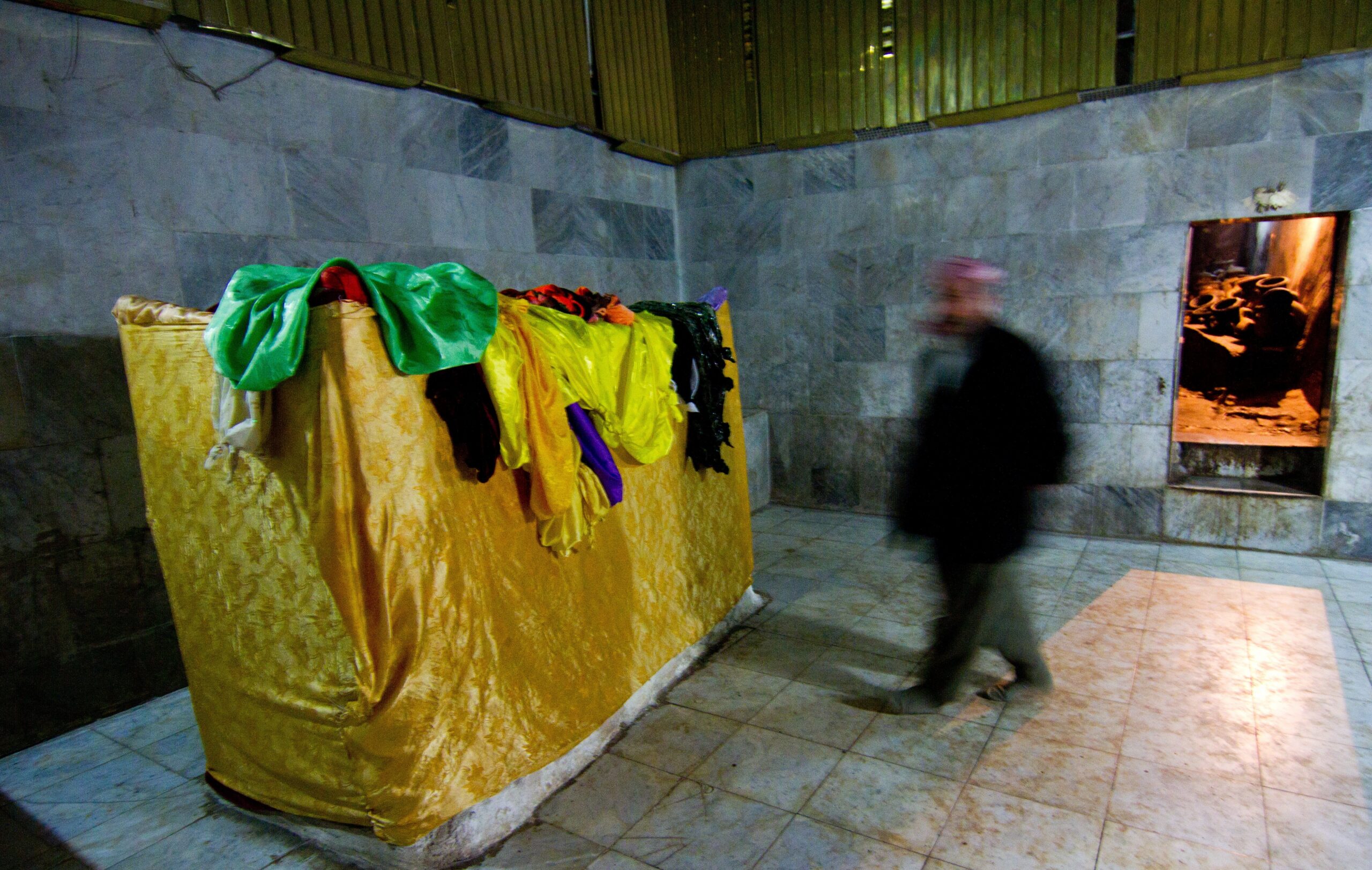
Najaf and Karabla aren’t the only pilgrimage sites in Iraq. On the edge of the northern mountains, in Kurdish Iraq, is Lalish, which is the holiest place on earth for the Yazidis. A visit to this quiet and reflective mountain complex stands in utter contrast to the extravagance of the shrines in Karbala. Visit it on our In the Footsteps of Saladin tour.
The Mountains of Kurdistan
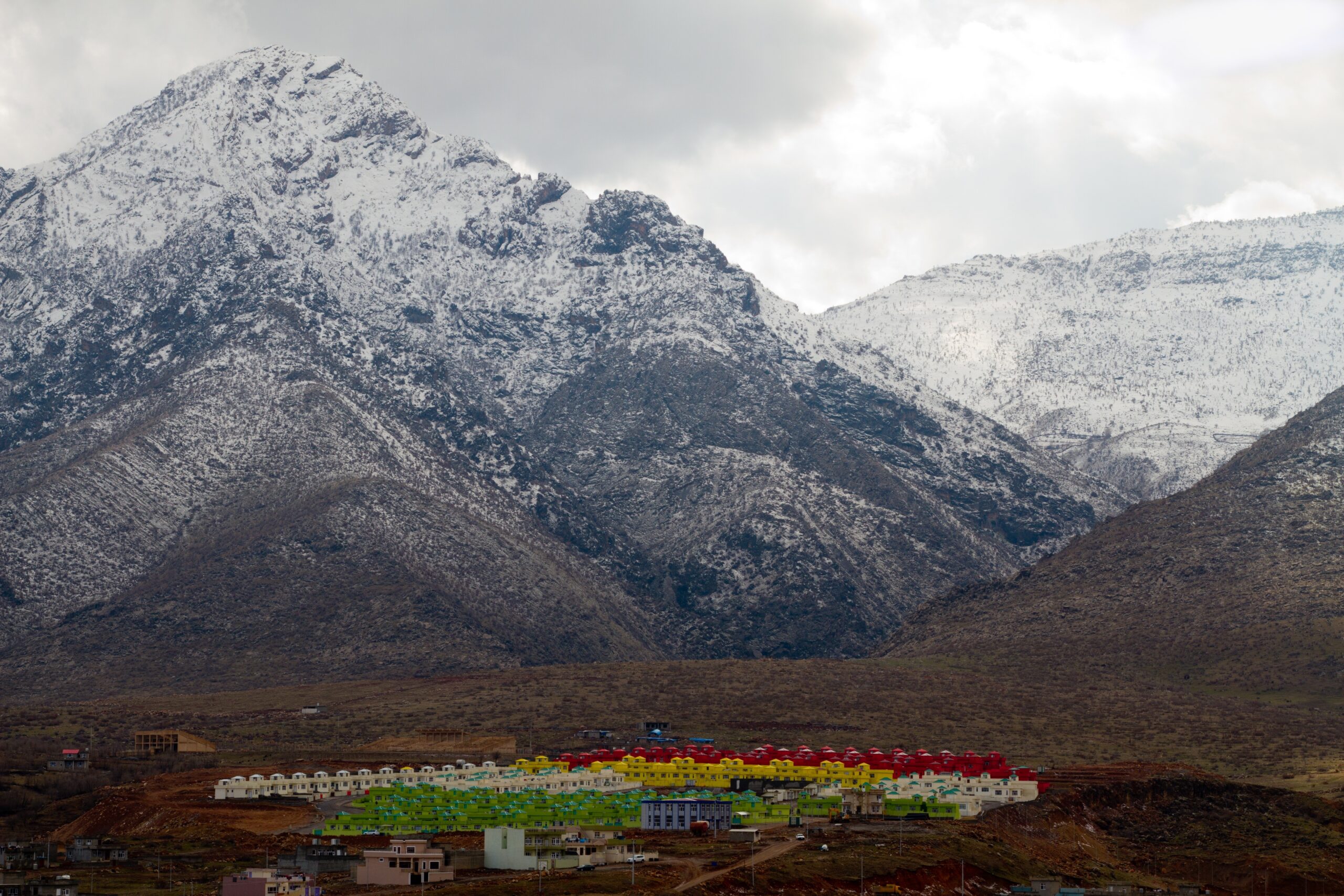
The far north of Iraq is the Iraq you never imagined. Instead of endless kilometres of featureless desert (and yes, for the most part, the deserts of Iraq are not the most scenically inspiring of landscapes) the north of Iraq is a land of rivers plunging into deep gorges and soaring mountains dusted in snow. This is the homeland of the Kurds. Spread between Iraq, Turkey, Iran and parts of northern Syria, the Kurds are the world’s largest ethnic group without their own state. No matter which modern nation state they find themselves living in, the Kurds retain a distinct language, culture and cuisine as well as a sad modern history filled with persecution. Although they have no official UN recognised home state of their own, Iraqi Kurdistan has been a semi-autonomous state within federal Iraq since the first Gulf War, and over the years the Kurds have built a safe, stable and thriving homeland for themselves in northern Iraq. For travellers, visiting Iraqi Kurdistan is a fascinating encounter with a people playing a patient game of nation building. Experience it on our In the Footsteps of Saladin tour.
Religious Diversity
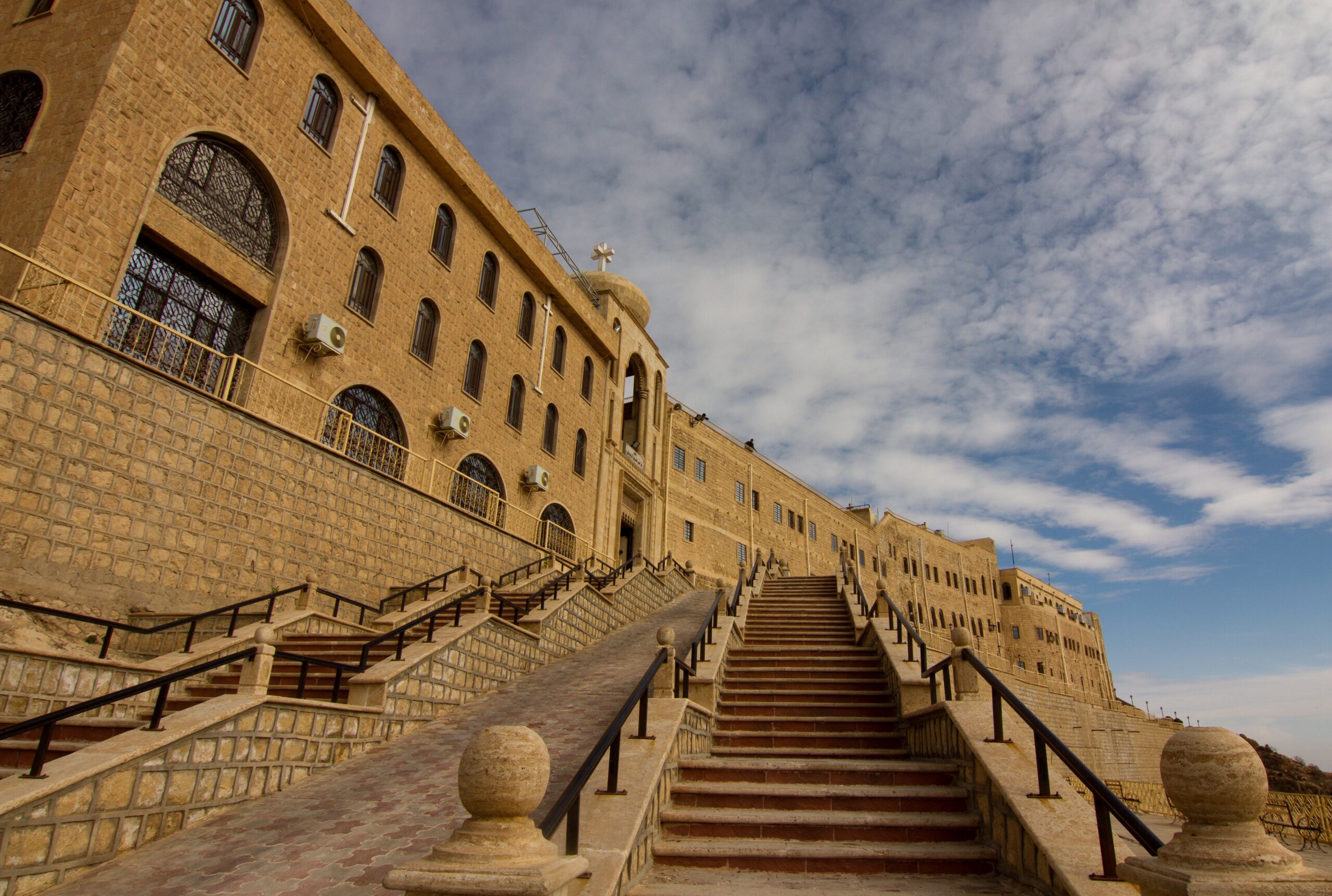
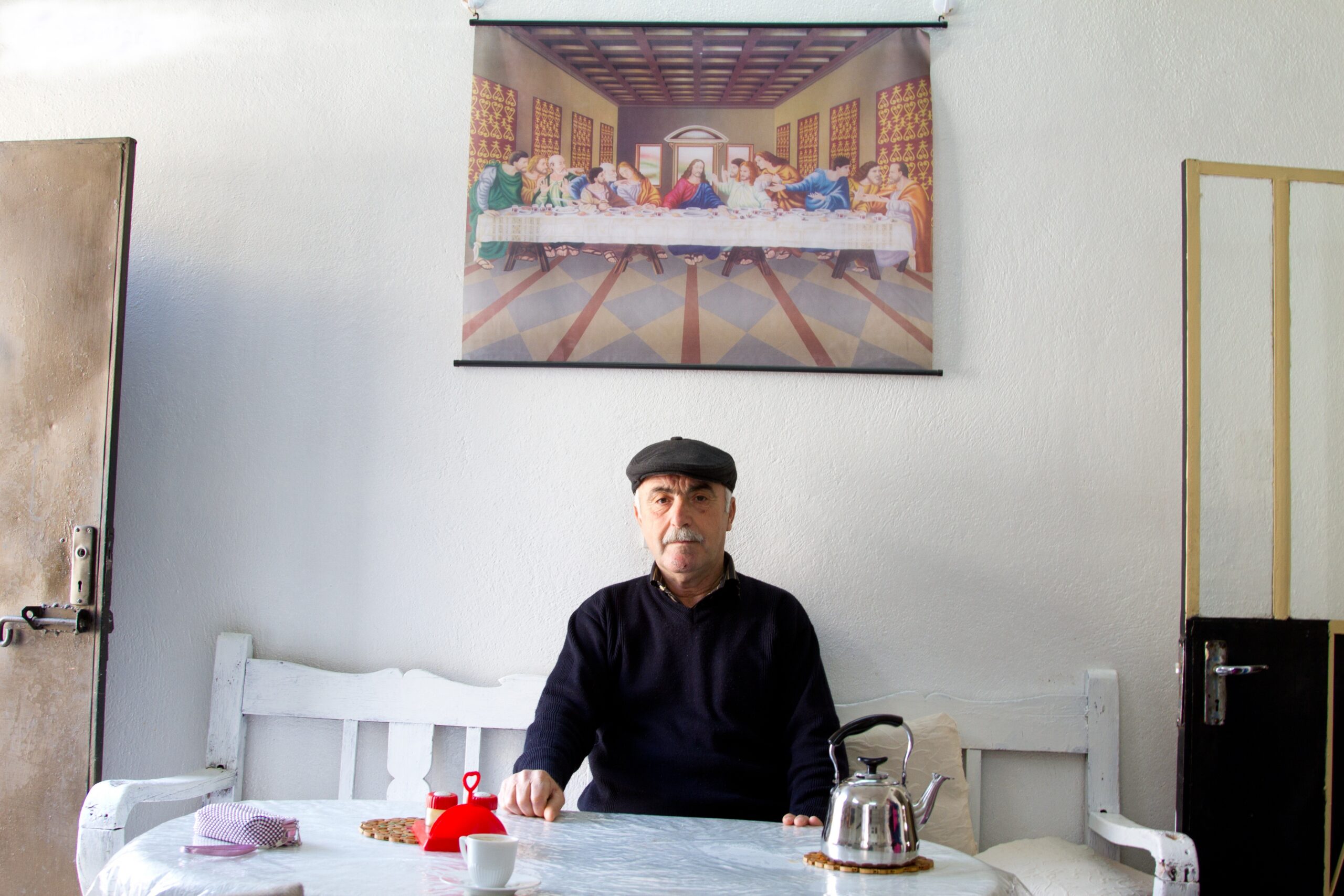
Foreign armies have coveted the Land between the Two Rivers since the dawn of civilisation. As one invader has been replaced by another so they have left behind their mark and turned Iraq into what is arguably the most religiously diverse country in Arabia (although nowadays Dubai would give Iraq a serious run for its money in this regard). Around 55 percent of Iraqis are followers of Shia Islam and 42 percent of are followers of Sunni Islam. The remainder follow a fascinating jigsaw of religious beliefs including Christianity (the entire population of some northern villages are Christian), Zoroastrianism, Mandaeans and the Yarsani. Unravelling this religious diversity is one of the fascinating aspects of a visit to Iraq. Our From Babylon to Kurdistan tour covers the breadth of the country and will introduce you to Iraq’s religious diversity.
Cultural Baghdad
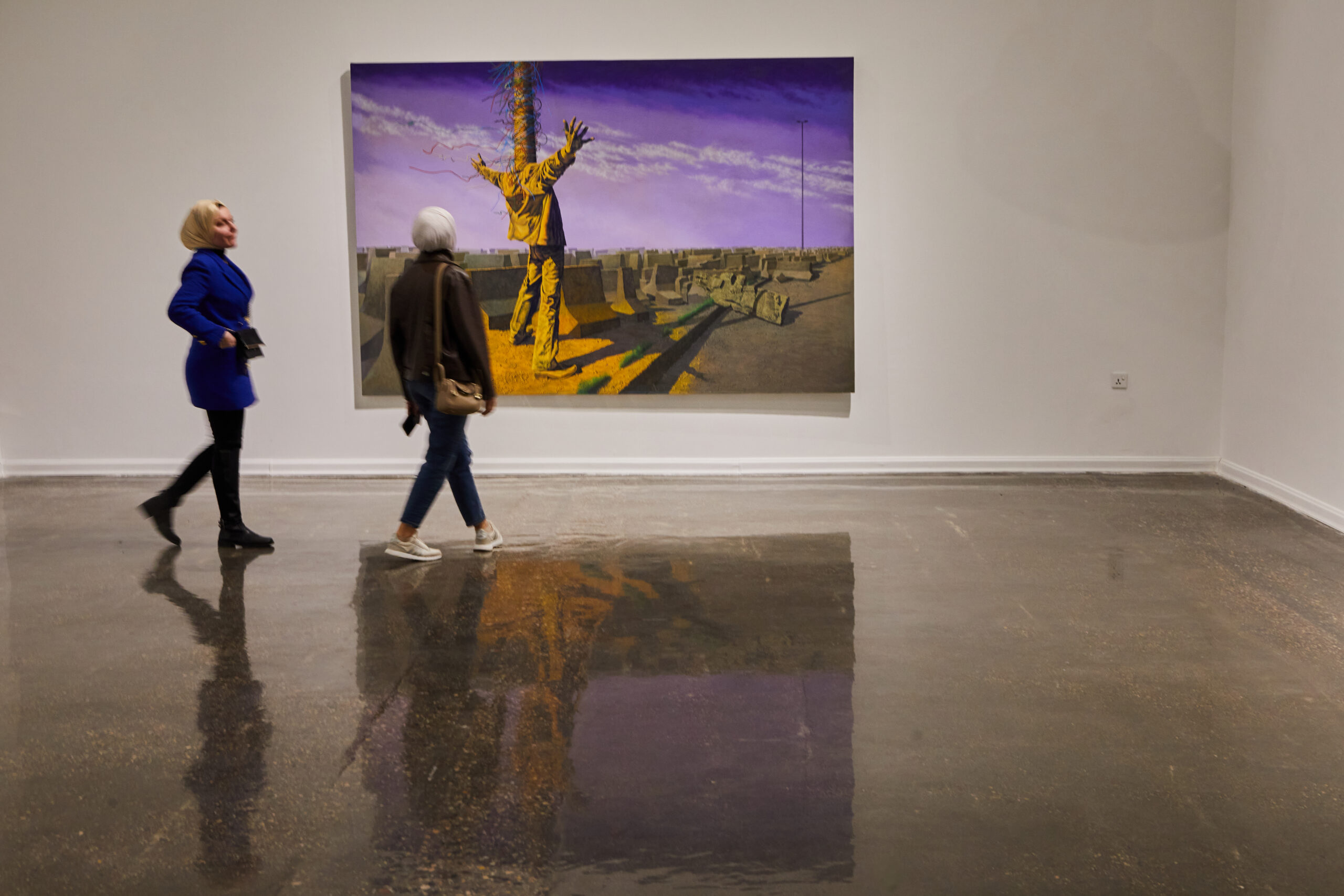
One of the world’s most iconic cities. During the Islamic Golden Age (8th-14th Century), Baghdad was, at times, the largest city in the world as well as one of the most important centres of learning and culture. After centuries of decline, it again had a spark of cultural revival in the early years of the 20th Century when it became known as a city of literature. Its cafes filled with intellectuals and writers from across the Middle East and its streets lined with book shops. Today, the teeming (population around 8 million) and chaotic Iraqi capital, is having something of a cultural revival. Art galleries are opening, historic buildings are being renovated, museums are swinging open their doors after years gathering dust, cafes bustle with customers and through it all the booksellers still line the streets of old Baghdad. Experience the wonder of Baghdad on our From Babylon to Kurdistan tour and our Mesopotamia Explorer tours.
Garden of Eden
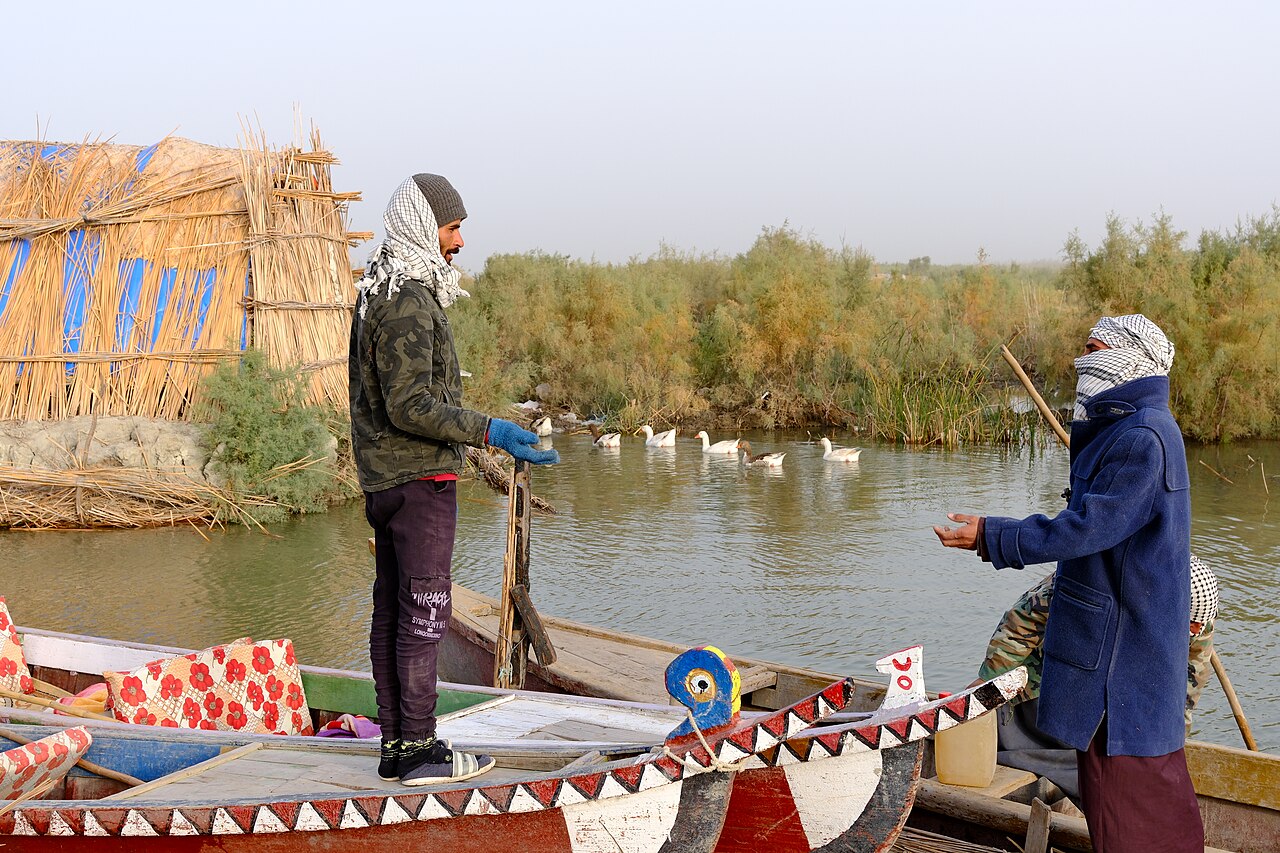
Standing in the centre of the small southern town of Al Qurna is the gnarled remnants of what was clearly an ancient tree. It’s not much to look at but, if legend is to be believed, this tree was the Tree of Knowledge of Good and Evil that, long ago, sat at the very centre of the Biblical Garden of Eden. It was the fruit from this tree that Adam and Eve plucked before being banished from paradise. Today, the half-dead tree sits surrounded by concrete – which some might say could be seen as a metaphor for the state of the world in general. But, not so far away, glimpses of the Garden of Eden can still be seen today. The marshes of southern Iraq are perhaps the most unique landscape in Iraq and until Saddam Hussain drained large sections of them in the 1980’s and ‘90’s, they formed the largest wetland ecosystem in western Eurasia. Today conservation projects mean the marshes are coming back to life. Many Biblical archaeologists and historians consider that this watery, fertile paradise, surrounded by searing desert, was the seed behind the story of the Garden of Eden. You probably won’t meet Adam and Eve when you visit the marshes during our From Babylon to Kurdistan or our Mesopotamia Explorer tours, but you will meet the Marsh Arabs, some of whom still live a partially traditional, semi-nomadic lifestyle focused on herding water buffalo and fishing.
Food and Cafes
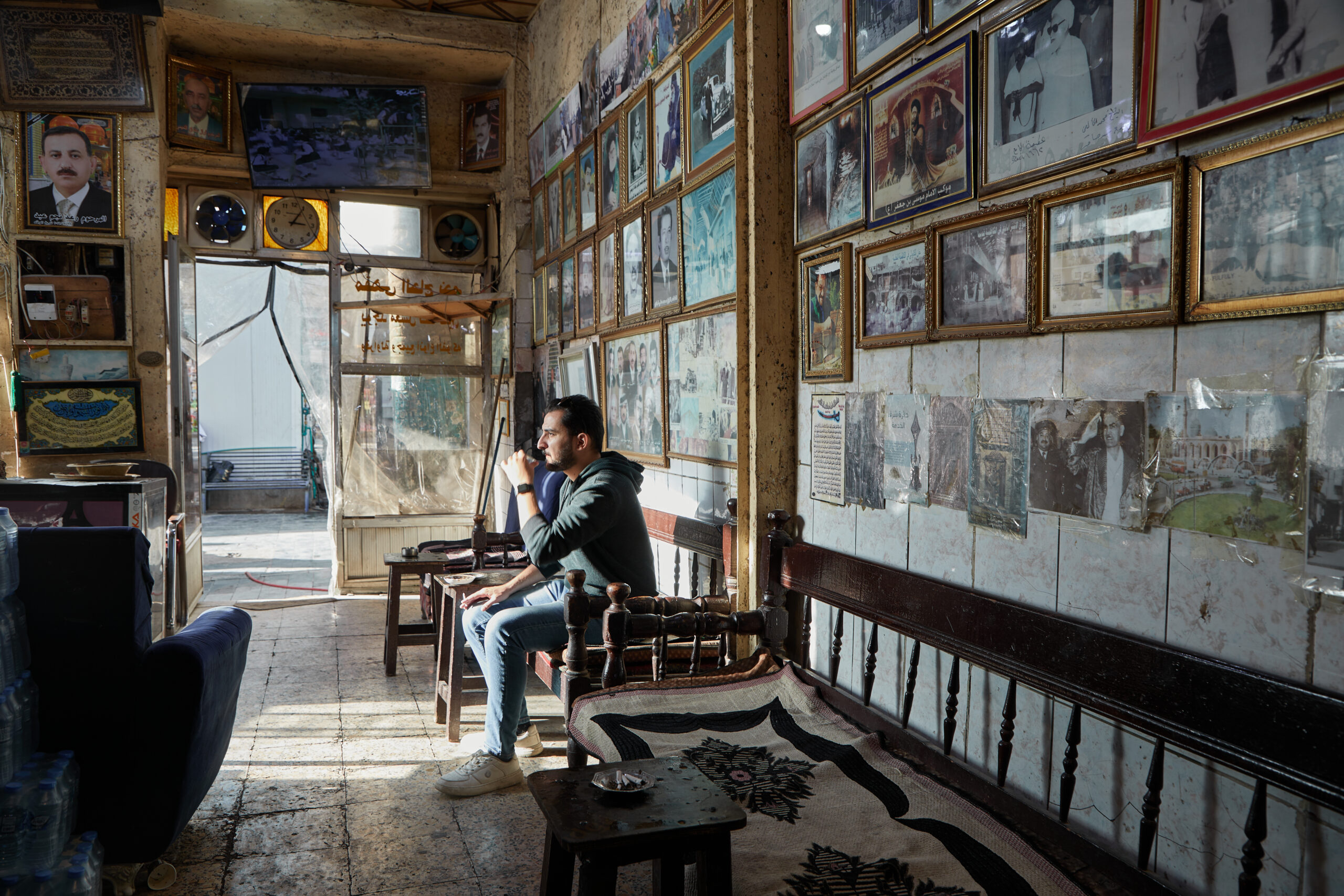
Iraqis have had a long love affair with food. Farming was invented in ancient Mesopotamia, and the very first recipe books were written in the region about 3,700 years ago. And, a 4,000-year-old Babylonian “dictionary”, the Urra-Hubullu, lists about 800 different kinds of food and drink, including 300 types of bread. This means that food – from a breakfast of kahi wa geymar (flaky filo pastry with sour cream made from buffalo milk) to a dinner of masgouf (slow roasted fish marinated with olive oil, turmeric and herbs) will become a defining part of any trip to Iraq. And when you’re done eating, head to one of Baghdad’s century-old historic cafes for a sweet black tea surrounded by elderly men playing cards and dominoes.
Park Life
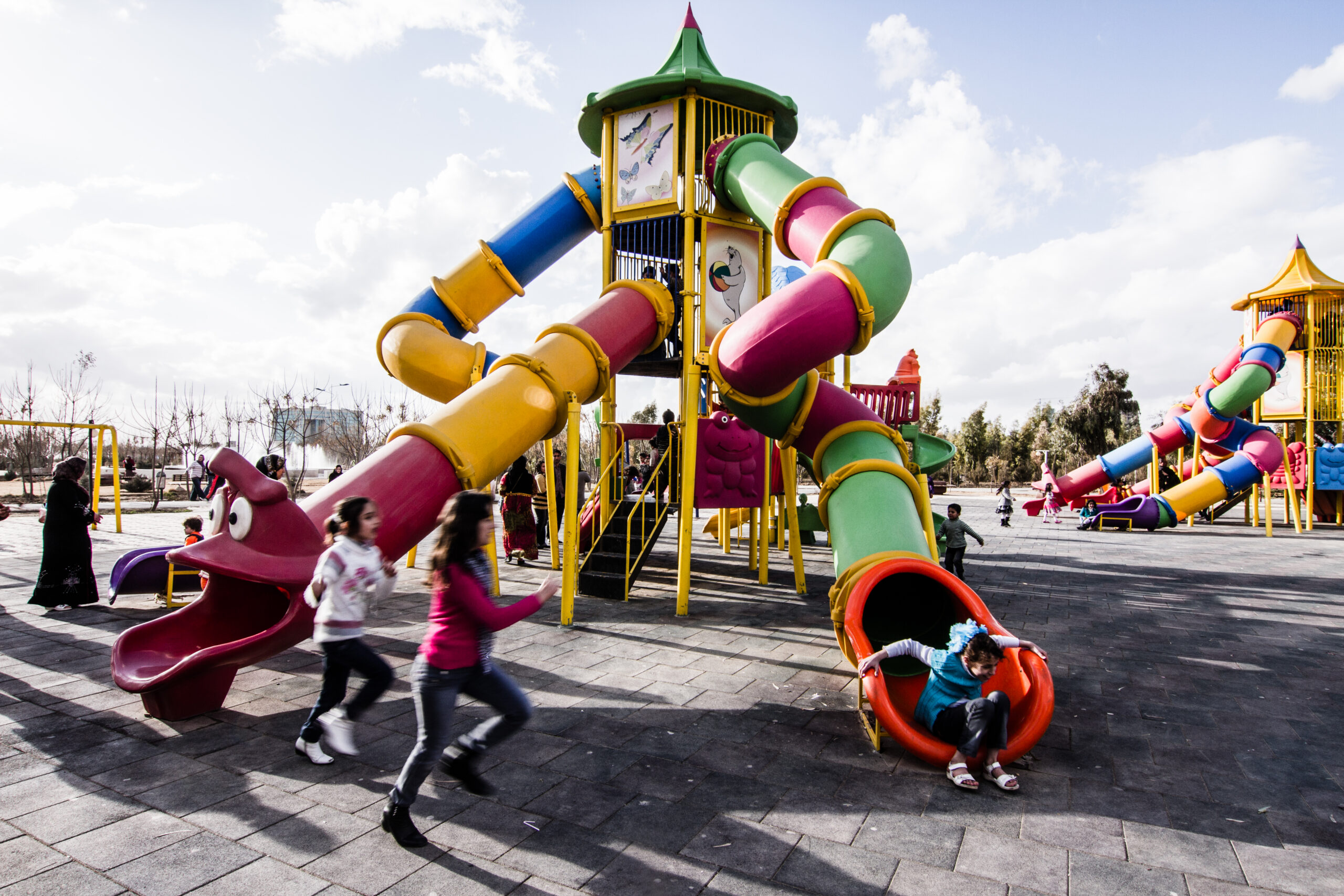
If there’s one thing that Iraqis of all faiths and backgrounds truly excel at, it’s a picnic in the park. In spring and autumn, when it’s neither too hot nor too cold, urban Iraqi’s flock to city parks to spend the afternoon with friends and extended family picnicking. These aren’t a quick sandwich and bag of crisps kind of affairs. Rather, they are an outdoor banquet of multi-dish spreads and tea – always lots of tea. But, it’s not so much the food that is the attraction, but the park life itself. Parks in bigger towns tend to be veritable funfairs of flashing, buzzing thrill rides, gently trotting horses and ponys, musical fountains, noisy football games and even noisier wedding celebrations. A stroll through Hyde Park will never be the same again after this. Experience it on all of our Iraq tours.
Safety
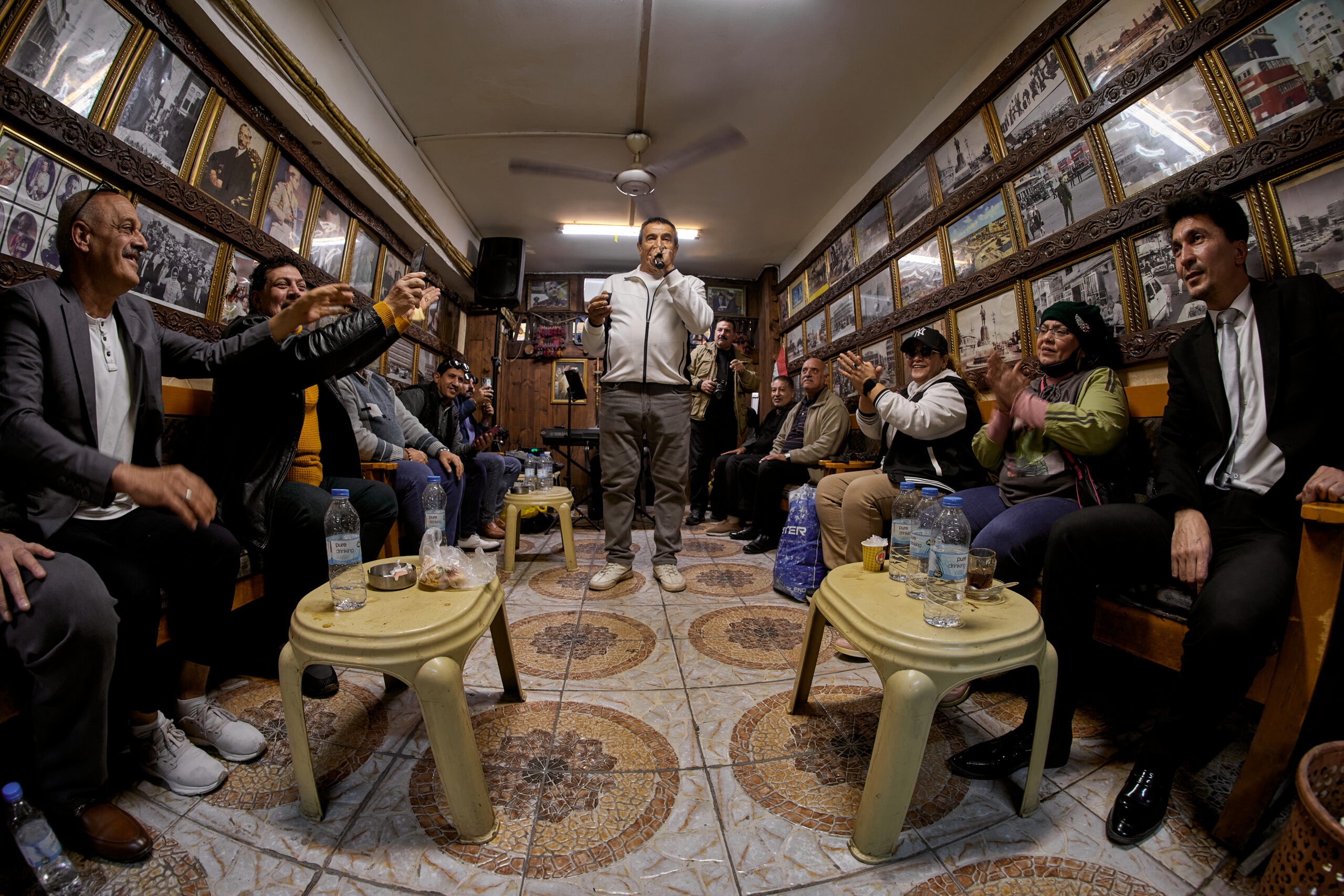
Yes. We know. You mentioned to your mother that you were thinking of going on holiday to Iraq and she almost passed out. In fact, it won’t be just your mother freaking out. Almost anyone you tell will stare at you in disbelief and then say, “But isn’t Iraq dangerous?”. And yes, it would be fair to say that Iraq is not Mallorca. But here’s the thing. Iraq is much safer than you might expect. The days of Islamic State are gone. The roadside explosions are a thing of the past. The chaos is over. It’s not yet all roses, but it’s getting there and amongst Iraqis there’s great optimism for a future where Baghdad may once again rise to the forefront of world cities.
Our Iraq Tours
Are you sold on it? Have you decided the time is right to see where we learned to write? At Native Eye we offer three different tours to Iraq. One that concentrates only on Iraqi Kurdistan. One that quickly takes in all of the highlights of north and south and one epic traverse of this fascinating nation. Tours operate in March and November each year.
What our travellers say
We love revealing the wonders of Iraq to our guests. Here’s what some of our previous clients have said about our Iraq tours.
“What a wonderful trip to Kurdistan – an area known for its rich history and one I have been excited to visit for a while. Native Eye did a great job of designing and organising this trip – everything was planned to perfection – and the team were very understanding when I had many questions before booking”.
“I was admittedly apprehensive before venturing to Kurdistan, but I didn’t need to be. I felt thoroughly looked after and safe throughout the entirety of the trip. Everything was extremely well organised and it was truly a wonderful place to visit”.
How to visit
With evisas easy to get and lots of flight options available why wait another minute to travel to the place where all our lives began? Get in touch and let us tell you more. Ring us on 00 44 (0) 1473 793683 or use our contact form.
Other blogs you may be interested in
Saudi Arabia Attractions: Reasons to explore this country of contrasts and change
Contact
Destinations
Terms & Conditions