In the Footsteps of Saladin

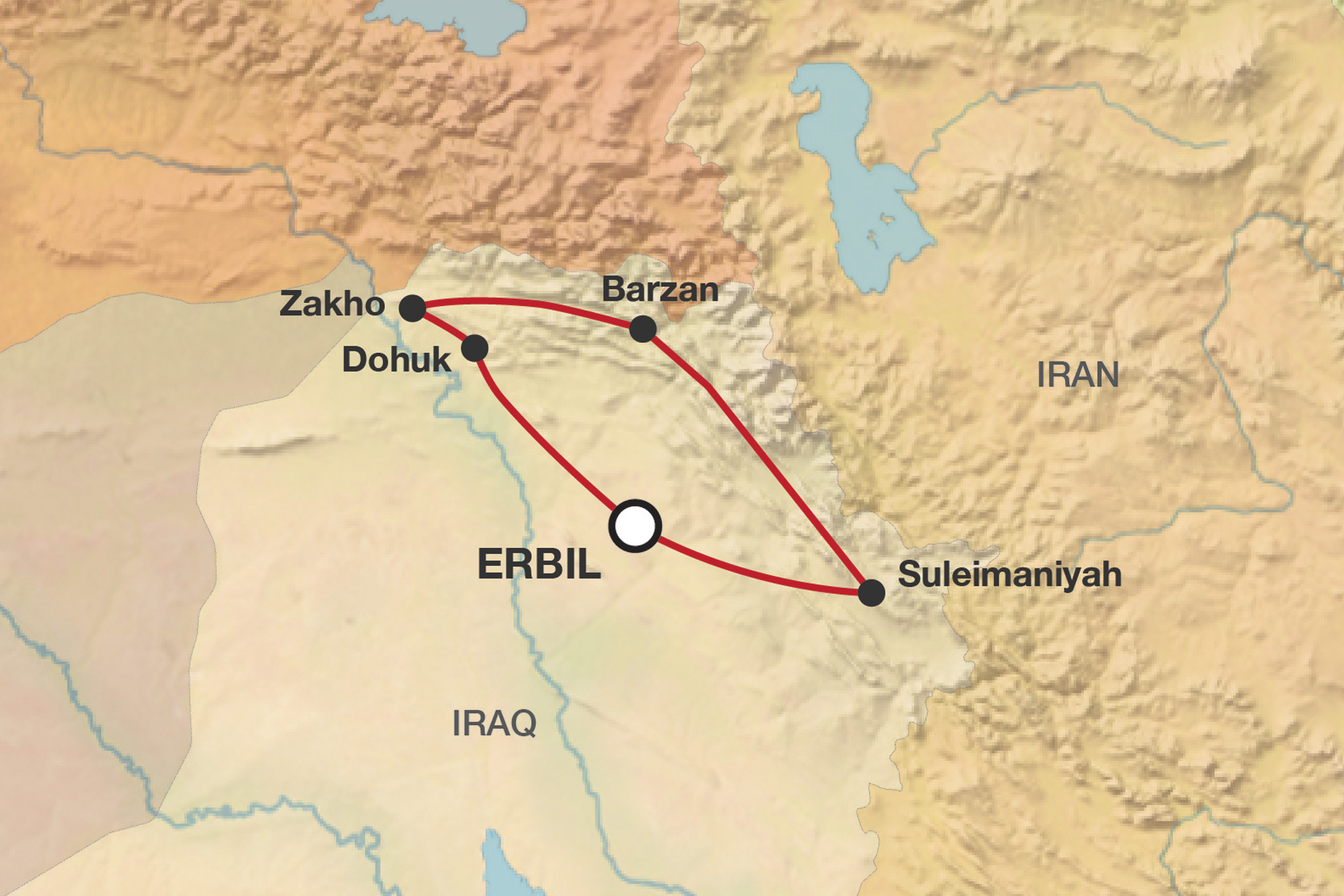
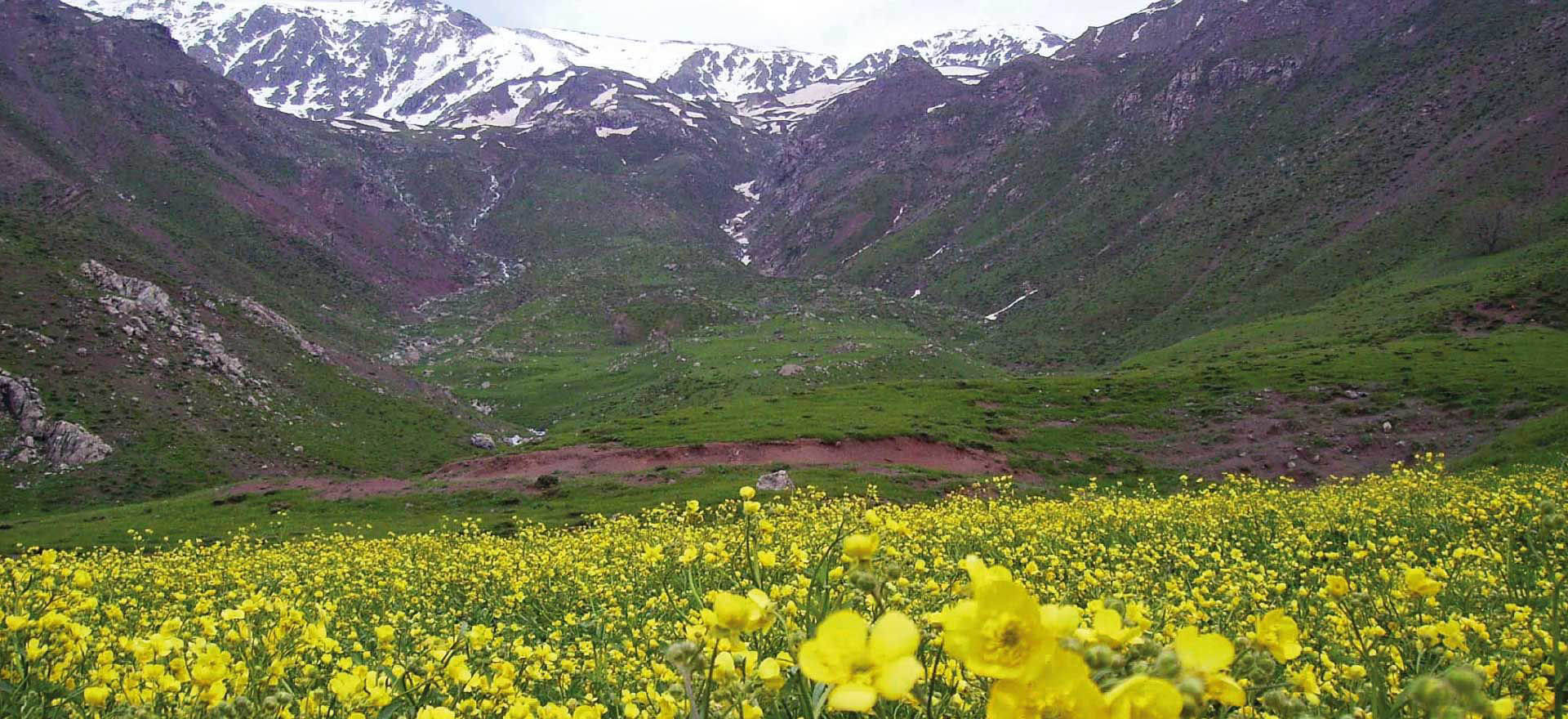
The ancient land of Kurdistan in the north of Iraq occupies a special place in history, with monuments and cities that date back millennia and bear witness to the diverse civilisations that once ruled here. This short trip takes you on a journey to discover a place that for many years was simply off limits to western travellers, but rivals any of its better known Middle Eastern counterparts. We start in the ancient city of Erbil, dating back an incredible seven thousand years and with a fascinating citadel to explore that gives you a real idea of how important this region once was. From here we step into the footsteps of Alexander the Great at the ancient battle site of Gaugamela, and join Yezidi pilgrims at Lalish for an insight into one of the Middle East’s most ancient religions. In Rawanduz  we enjoy some of the best scenery to be found in the region, with lush mountains, plunging chasms and caves that stretch far underground. We then head to Suleimaniyah, exploring its chaotic bazaars, before returning to Erbil. Despite the wealth of sites here your overwhelming memory is bound to be the hospitality and friendliness of the Kurdish people, keen to welcome people to their land and rejoicing in their new freedom. Kurdistan is a treasure waiting to be discovered.
Northern Iraq in the Footsteps of Saladin

Highlights

  • Experience ‘the other Iraq’
  • Explore ancient Erbil
  • Meet Yezidi pilgrims at Lalish
  • Stunning mountain scenery
  • Vibrant local bazaars

Day 1 - Erbil

Arrive in Erbil and transfer to your hotel. The rest of the day is free to explore or relax. Overnight Classy Hotel or similar.

Erbil

Erbil lays claim to being one of the oldest continuously inhabited cities on earth, with a citadel that has been occupied for around seven thousand years. Over the years it has seen a succession of different civilisations holding sway here, from Assyrians to Medes to Greeks, to Romans, Armenians, Ottomans and British – Erbil is a living history lesson and exemplifies the complex history of this part of the world.

Also known as Hewler, Erbil is dominated by its citadel, a vast and imposing fortress that sits atop a hill above the town and is one of Kurdistan’s most recognisable monuments. Erbil Citadel was once a Sumerian city called Urbellum or Arbella and it is believed that Abraham passed through this city on one of his journeys. It once housed the Temple of the Goddess Ishtar and was the city Darius III fled to after facing defeat by Alexander the Great on the nearby plains of Gaugemela. A massive restoration project is currently being undertaken by UNESCO.

The citadel is also home to the Textile Museum, housed in a 220 year old residence features ancient Kurdish fighting tools, traditional dresses, handmade rugs from different regions and eras of Kurdish history, jewellery and photos. In addition to Kurdish antiquities there are a number of pieces from Iran and Turkey. The city occupied a strategic location on regional trading routes, connecting Baghdad and Mosul, and is today home to the Kurdish Parliament, which since the overthrow of Saddam Hussein has far more power than in previous days.

Erbil is today a fast growing city with multinational organisations taking an interest in its development, but it still very much retains its traditions – the bazaars are still far more important than any shopping centre could be and it is here that one can really feel the spirit of the country, as traders compete for customers on the lookout for goods of all manner, their wares stacked high and with small boys delivering tea between the stalls. Also worth seeing is the 36 metre high Choli Minaret, dating back to the 12th century and towering above the surrounding buildings. Erbil is a fascinating place, very much at a crossroads between ancient tradition and modern consumerism, and well worth thorough exploration.

Saladin

Saladin was a Kurdish Muslim, who became the first sultan of Egypt & Syria, and founded the Ayoubi Dynasty. He led Muslim & Arab opposition to the Franks & other European Crusaders in the Levant. At the height of his power, his sultanate included Egypt, Syria, Mesopotamia, Hijaz & Yemen. Under his leadership, his forces defeated the Crusaders at the Battle of Hattin, leading the way to the capture of Palestine & Jerusalem. Many have seen famous and better-preserved examples of Salahadin fortresses – few have visited the place that gave birth to this incredible historic figure.

Day 2 - Gaugamela - Lalish - Dohuk

Visit the ancient site of Gaugamela, the site of the famous battle between Darius and Alexander the Great, as well as the Assyrian Monastery of St Matthew, and the ancient aqueduct of Jirwana. After lunch head to the Yezidi pilgrimage site of Lalish where we learn about the customs and rituals of these people, descendants of the Zoroastrians. End the day in Dohuk. Overnight Parwar Hotel or similar. (BLD)

Dohuk

Not far from the Turkish border, the town of Dohuk lies in a wide valley surrounded by mountains. Traditionally the region has been associated with agriculture and is locally famous for its grapes – other crops grown here include rice, tobacco, wheat and all manner of fruit and vegetables. Once known for its colourful houses, Dohuk grew in importance during the period of sanctions imposed on Iraq – its proximity to the border meant that it was a hub for smuggling goods

Jirwana

Jirwana is reputedly the oldest aqueduct and bridge ruin in the world built in the time of Sennacharib (690 BC). The site was once part of a vast complex that was built to water the gardens of Nineveh. Huge stones transported by hand from quarries hundreds of miles away are in scripted with the story of this amazing feat.

Here you will find the secret of the ‘hidden message of Sennacharib’ known by only a few living scholars in the world – join them in this amazing revelation.


Day 3 - Rabban Hormizd - Al Qush - Zakho

Visit the important monastery of Rabban Hormizd then head to Al Qush to see the tomb of the Old Testament prophet Nahum, next to the 3rdcentury monastery of Mar Gorgis and church of Mar Mekha. After lunch we drive to the historic town of Zakho with its iconic bridge, dating back to the Roman era, and explore the historic quarter of the town, visiting an old caravanaserai and synagogue. Return to Dohuk for the night. Overnight Parwar Hotel or similar. (BLD)

Rabban Hormizd

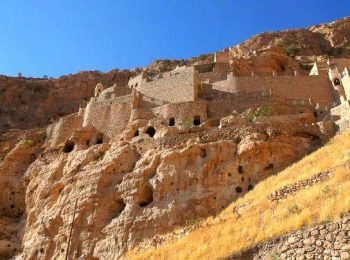
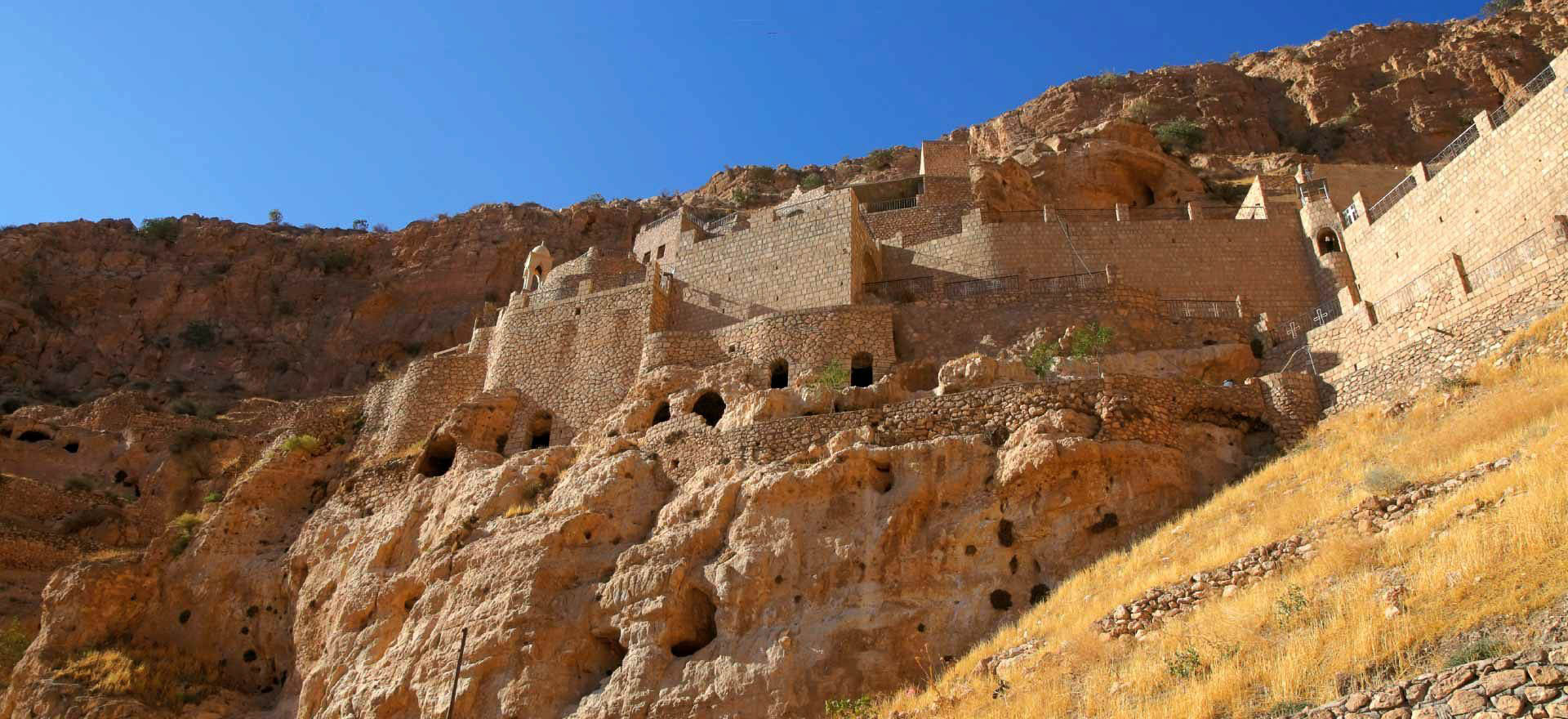
Rabban Hormizd Monastery is an important site of the Chaldean Church. It is carved out of the mountains about 2 miles from Alqosh, Iraq, 28 miles north of Mosul. Founded around 640 AD, the monastery has been the official residence of the patriarchs of the Eliya line of the Church of the East from 1551 to the 18th century, and after the union with Rome in the early 19th century, it became a prominent monastery of the Chaldean Church. It is named after Rabban Hormizd (rabban is the Syriac for monk) who founded it in the seventh century and is buried within the sanctuary.

Day 4 - Amadiya - Barzan

After breakfast we head to the ancient city of Amadiya where we explore its sights before travelling to Barzan, visiting the memorial to mark the genocide committed by Saddam Hussein against the Barzan tribe. We travel through breathtaking scenery in the region of Barzan and continue through Soran passing by Shanidar Cave where some of the world’s first pre-historic remains were discovered. Overnight Rubar Resort or similar. (BLD)

Amadiya

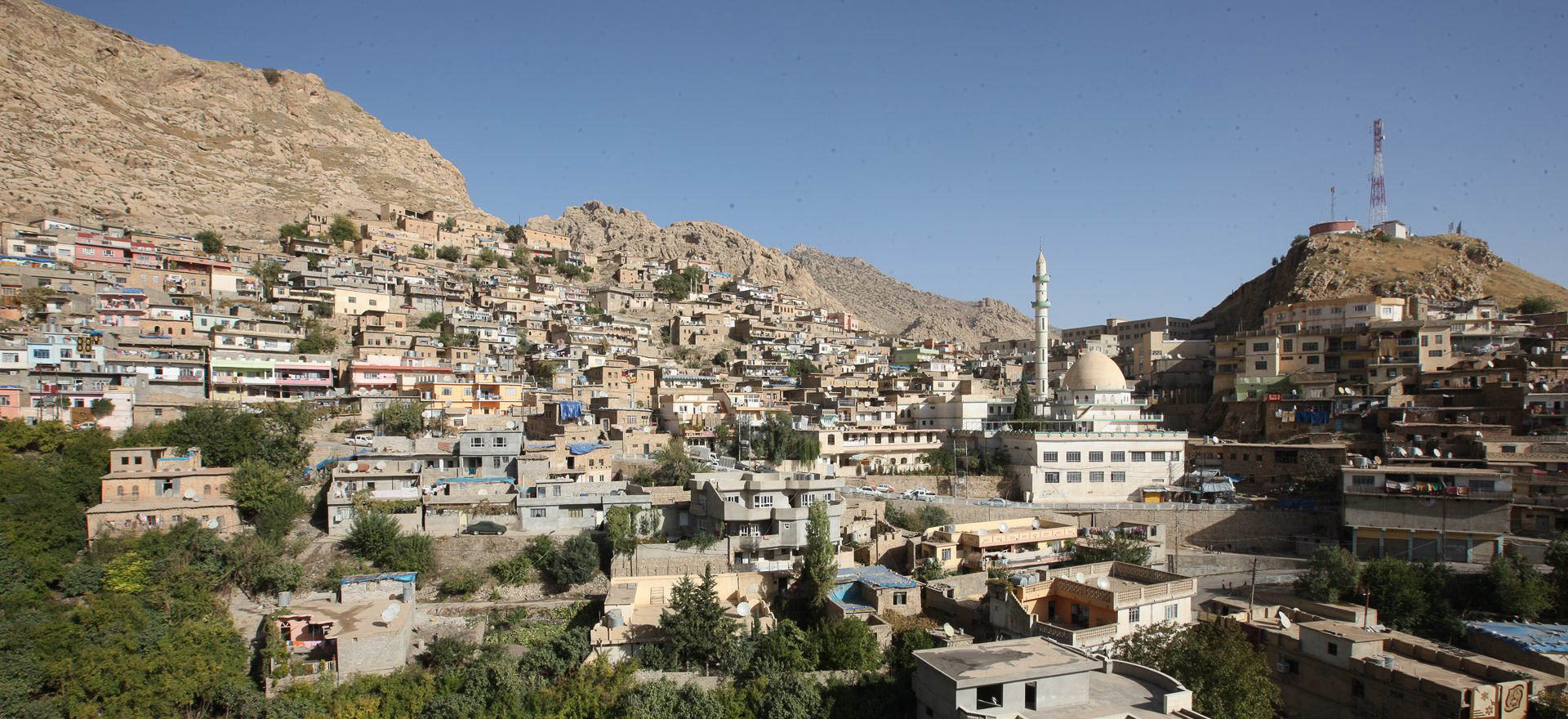
The town of Amadiya (dating from the Assyrian era) is located on a high promontory above a breathtaking landscape and fed by a geothermal spring originating far below the mountain. Situated around 1400 m above sea level and surrounded by heights it was once an almost impenetrable fortress. The city Gate (Bab Zebar) is located in the eastern side of the City of Amadiya. Its width was 4 metres, built by Imaduddin Al- Zanki in 5-600 AD. One of Amadiya’s most impressive sites is the 30 metre high minaret in the centre of the town, with intricate patterns as decoration; it was built in the time of Sultan Hussein Wali and was part of an already existing ancient city.

Day 5 - Lake Dokan - Suleimaniyah

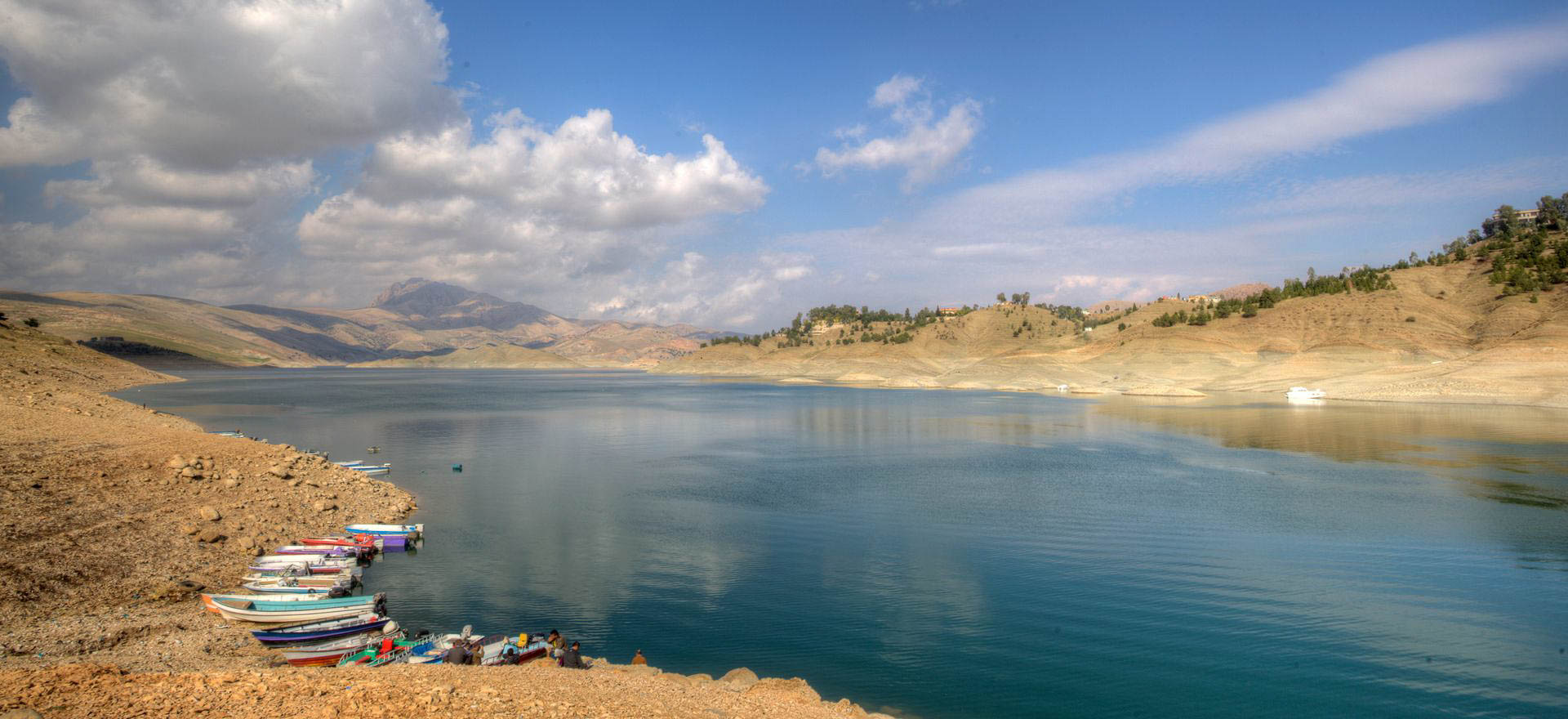
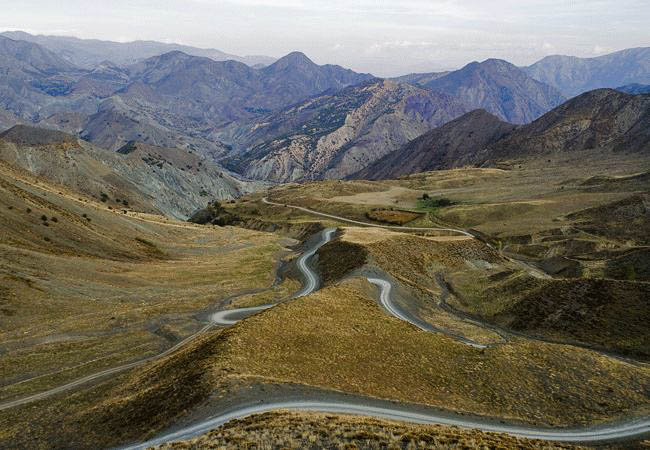
Reluctantly we leave the splendid scenery of Rawanduz, travelling past the renowned Hamilton Road, one of the greatest engineering feats of the last century, Lake Dokan and the Bekhal Waterfall before arriving in Suleimaniyah, where we visit its colourful bazaar. Overnight Ramada Hotel or similar. (BLD)

Suleimaniyah

Suleimaniyah, or Suly as it is affectionately known to residents, was founded in the late 18th century and so compared to Erbil is a real youngster – it was founded by Ibrahim Pasha Baban and named after his father Suleiman Pasha. An important city and taking a pivotal role in the promotion of Kurdish culture now that the old Ba’athist regime has fallen, it is considered the cultural capital of northern Iraq . It was from here that Mahmud Barzanji sparked the first rebellion against the British occupation on May 22, 1919 with the arrest of British officials in Sulaymaniyah and declared an independent Kurdistan that same year. The British occupation declared Sheikh Hama Tahmas as king in order to silence the residents of Suleimaniyah and stop their rebellion, but Sheikh Mahmud acted and ruled independently from the British, and wanted them out of the kingdom. As a result, in the same year, he was exiled for several years to the Andaman islands in India by the British occupation, only to return and raise another unsuccessful rebellion in 1923. Today the city is home to a couple of fascinating museums – the Amna Suraka which provides an important insight into the horrific treatment of the Kurds under Saddam Hussein, and the Slemani Musuem which houses Kurdish and Persian artefacts.

Day 6 - Suleimaniyah - Erbil

At Suleimaniyah we visit the Red House – a former prison where Saddam Hussein imprisoned and killed thousands of Kurdish people, learning about a difficult but integral part of Kurdish history. We also visit the Suleimaniyah Museum, Kurdistan’s largest (and Iraq’s second largest) collection of antiquities – we hope to be able to meet the director of the museum who can explain its treasures in depth. From here return to Erbil, stopping at the Qizqapan Cave and the remains of the old Jewish city of Koisinjak. On arrival in Erbil visit the Choli minaret, perhaps the city’s most famous landmark and dating back to the 12th century. Overnight Classy Hotel or similar. (BLD)


Day 7 - Erbil

Spend today exploring the ancient city of Erbil. We visit the citadel, a fascinating site in its own right but also housing the splendid Textile Museum with its collection of Kurdish cultural artefacts. We also visit the bazaar, and this evening are invited for dinner in a local home to experience traditional Kurdish hospitality. Overnight Classy Hotel or similar. (BLD)


Day 8 - Erbil

Transfer to the airport for departure. (B)


St Matthew's Monastery - Kurdistan and Iraq tours and holidays
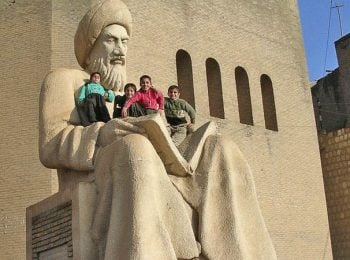
Statue outside Erbil citadel - Iraq and Kurdistan tours

What's included?

  • Airport transfers

    We include arrival and departure transfers regardless of whether you book flights yourself, or we book them for you. If you’re booking them yourself, then please let us know the details so that we can arrange the transfers.

    Please note though that if you arrive earlier than Day 1 of the tour, and leave after the final day, we may need to make an additional charge for an airport transfer.

  • Accommodation

    Accommodation as listed in the dossier. The nature of the destinations that we operate may sometimes mean that we need to change hotels, but we’ll always endeavour to keep the same standards. Please be aware that as we operate in many countries where tourism is in its infancy, hotel standards may not be the same as you’re used to elsewhere.

  • Guides

    In most cases you will be accompanied by one guide from start to finish. However there may be occasions when this is not practical, for example if your trip covers a number of different countries. In these cases it often makes more sense to include different guides for each place, to take advantage of their specific knowledge of the destination.

  • Meals

    As listed within the itinerary / dossier (B-Breakfast, L-Lunch, D-Dinner). These will vary from trip to trip – in some areas it makes sense to include all meals while in others there is a good choice of restaurants and we feel people might like to ‘do their own thing’ now and again.

  • Entrance fees

    Entrance fees are listed for those sites that we mention within the itinerary. If there are any other sites that you’d like to see, these would be at your own expense.

What's not included?

  • Visas

    We don’t arrange visas for our travellers, but if an invitation letter is necessary then we will arrange this for you. If you need any advice with visas then just give us a call, or alternatively a visa agency such as Travcour can assist.

  • International flights

    Many of our travellers arrive from different destinations and so we don’t include international flights in the cost of our tours. If however you would like us to book flights for you, then just give us a call and we’ll be happy to discuss your options.

  • Travel Insurance

    If you need any assistance with this, then let us know – although we can’t arrange it ourselves we can point you in the direction of a reputable provider that can assist.

Visas

UK, US and EU travellers are granted a visa upon arrival when entering at Erbil airport, and the cost is US$75. Other nationalities must obtain a visa in advance.

For the Kurdistan region of Iraq, you will need to obtain your e-visa in advance. The website for this is – https://visit.gov.krd

Visa regulations can change however and so we recommend that you contact your nearest embassy for the most up to date information.

Health and vaccinations

We are not medically qualified and so we recommend that you speak to your doctor or nearest health professional for advice concerning recommended vaccinations. For more advice on vaccinations you can also visit https://travelhealthpro.org.uk/countries.

If you have any physical limitations that might impact your ability to participate in the planned tour activities, it’s essential that you make us aware as soon as possible so that we can discuss this with you.

Insurance

It is a condition of joining our tours that you have suitable travel insurance in place, and we cannot accept travellers without insurance. All policies differ in terms of what they will cover, but as a minimum you need medical and health cover, which will cover you for the whole time that you are away. Most policies will also include cancellation cover, which will cover you if an unforeseen circumstance obliges you to cancel your trip. We recommend that you obtain your insurance as soon as you book your trip.

Please note that government travel warnings often affect the validity of your travel insurance, and you should check this with your insurance company.

Money

The local currency in Iraq is the Iraqi dinar. It is best to bring US dollars for exchange purposes and these should have an issue date of 2006 or later, otherwise you may find it difficult to exchange them. Many places will also accept US dollars.

It’s not difficult to change money in Iraq, either at banks or the hotels and your guide can assist with this. Iraq is very much a cash society – credit cards are not widely accepted. There are a few ATMs in larger towns – these may or may not work though so it’s best not to rely on these as a source of funds.

Local conditions

When travelling to some of the destinations we offer you need to bear in mind that things won’t always work here as we’re used to them working at home. Travelling in underdeveloped and untouristed destinations requires both patience and a sense of humour. There may be problems with infrastructure, attitudes may be different, and maintenance may not be as high a standard as we would always like, but this is very much part and parcel of travelling in such a place. We aim to resolve any issues as quickly as possible, and thank you for your patience.

Travel advice

We keep a very close eye on the travel advice issued by the UK Foreign and Commonwealth Office so that we can keep you up to date with any warnings. At the time of writing the FCO does not distinguish between Kurdistan and Iraq proper, and advises against travel Iraqi Kurdistan.

We work very closely with our local team and are fully confident that we can operate tours safely in Kurdistan. Should you have any concerns over safety please do not hesitate to contact us and we can address your concerns.

This relates to advice from the British government – other nationalities need to check the stance of their own governments.

Please note that the information contained above is highly susceptible to change, and while we endeavour to keep up to date we recommend that you use this as a guide only. Should you have any questions, please don’t hesitate to contact us.

St Matthew's Monastery - Kurdistan and Iraq tours and holidays
Statue outside Erbil citadel - Iraq and Kurdistan tours
Date(s)
Price (PP) Exc. Flights
Single Supplement
Trip Status
Date -
07 April 2026
Price (PP) -
£2,999
Single Supplement -
£300
Trip Status -
Available
Date -
20 October 2026
Price (PP) -
£2,999
Single Supplement -
£300
Trip Status -
Available
Date -
06 April 2027
Price (PP) -
£3,199
Single Supplement -
£320
Trip Status -
Available
Date -
19 October 2027
Price (PP) -
£3,199
Single Supplement -
£320
Trip Status -
Available

You may also like…