East Timor Unveiled - The Edge of Asia

East Timor, also known as Timor-Leste, is one of Southeast Asia’s hidden gems—a small yet captivating country with breathtaking natural beauty and a powerful story of resilience. Located between Indonesia and Australia, it’s a land of rugged mountains, vibrant coral reefs, and lush forests. After centuries under Portuguese colonial rule and a turbulent period of Indonesian occupation, East Timor finally gained full independence in 2002, making it the first new sovereign state of the 21st century. The country today reflects a rich blend of European and indigenous influences in its architecture, cuisine, language, and customs, with communities deeply rooted in tradition and faith.

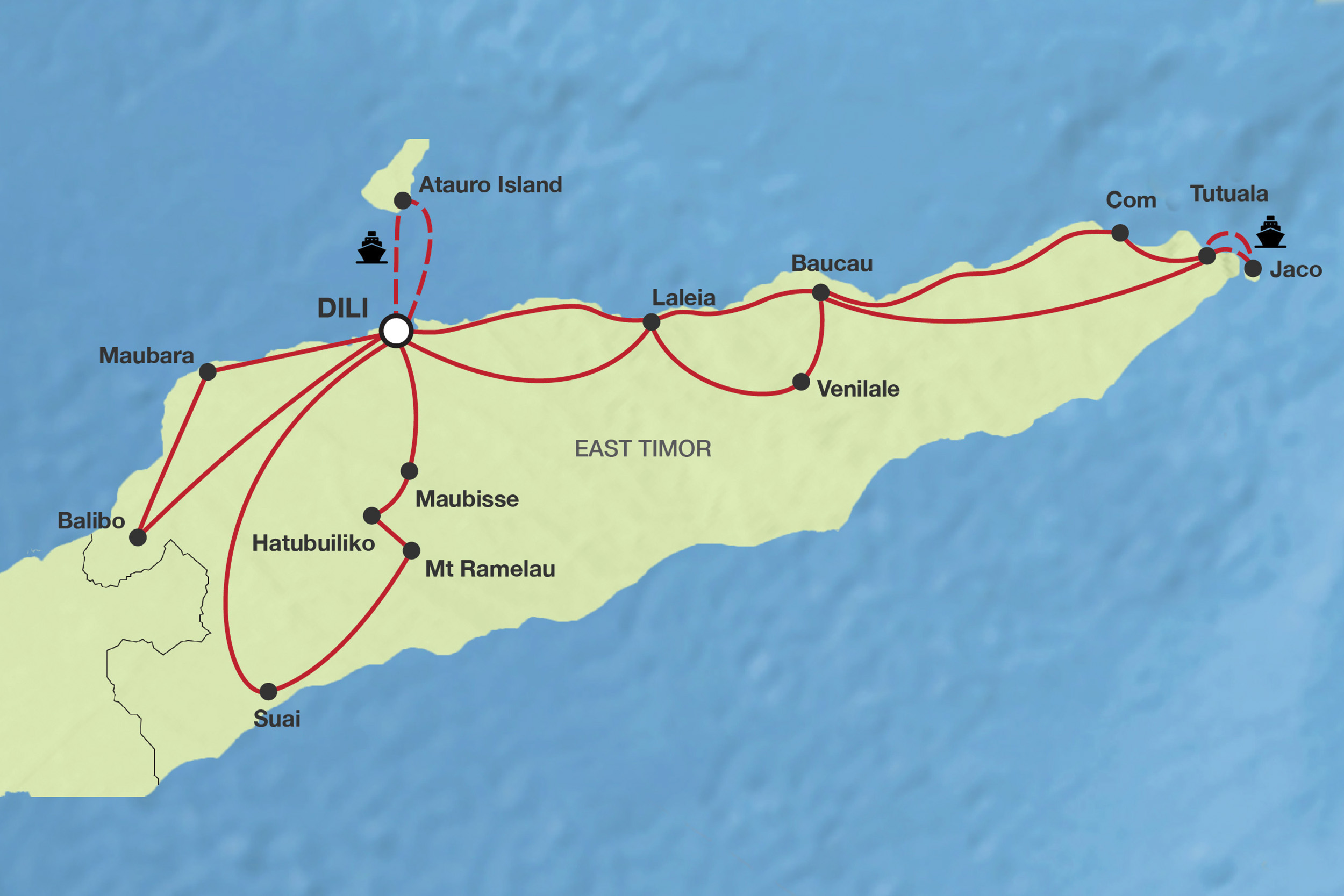
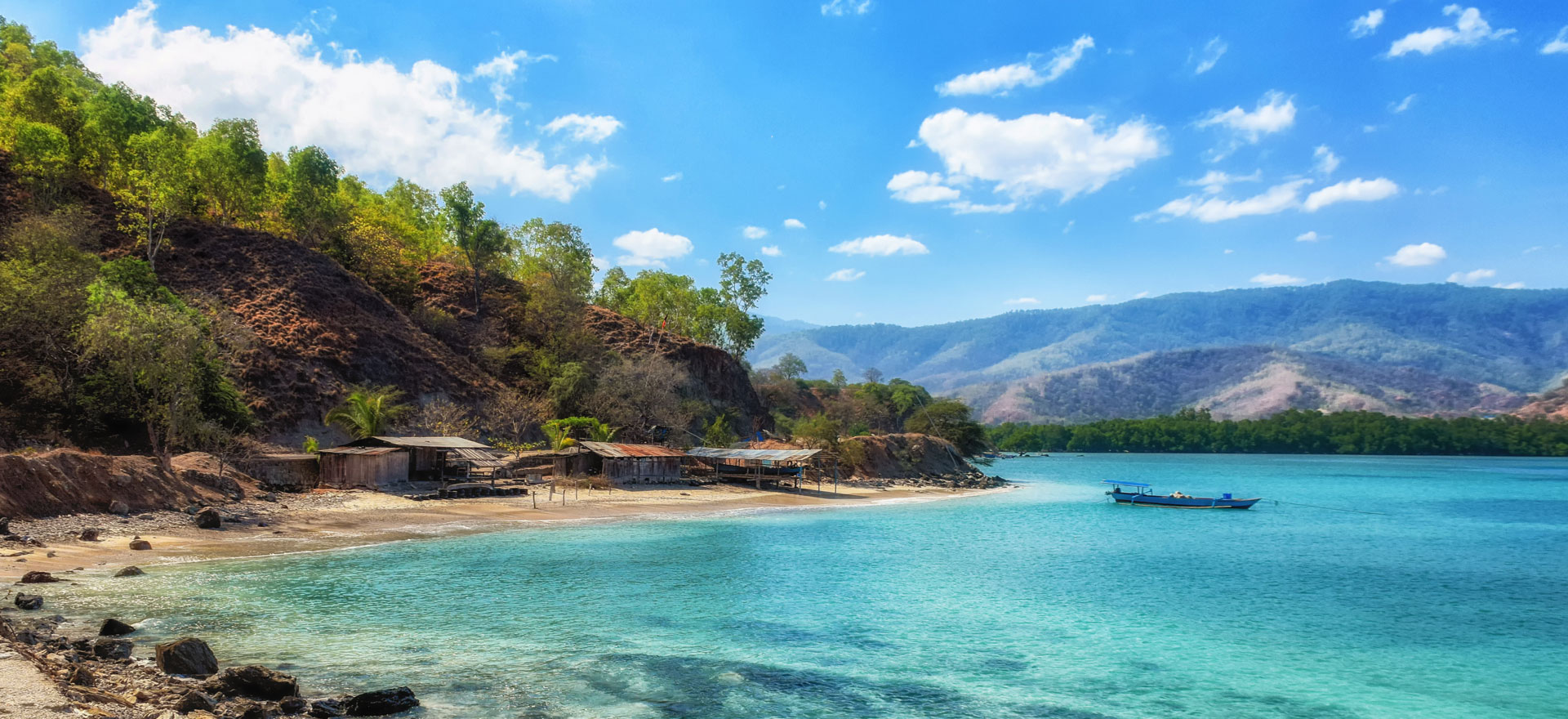
This 12-day group tour offers a great mix of sightseeing, nature adventures, and cultural experiences. Starting in the capital city of Dili, the trip takes you to important places that tell the story of East Timor’s fight for independence. You’ll travel along the scenic northern coast, stopping in towns like Baucau and Com, with visits to salt lakes, memorials, and national parks. One of the highlights is a boat ride to Jaco Island, a peaceful and sacred spot with clear waters and white sands.

Later in the journey, you’ll explore the mountains and climb Mount Ramelau for an unforgettable sunrise. You’ll also visit historic towns like Suai, Venilale, and Balibo, which still show traces of Portuguese and wartime history. With chances to relax at beaches, stroll through markets, and learn about the country’s past, this tour offers a deep and balanced look at East Timor’s landscape, culture, and resilience.
Highlights

  • Boat Ride to Jaco Island
  • Visit Historic Towns
  • Climb Mount Ramelau
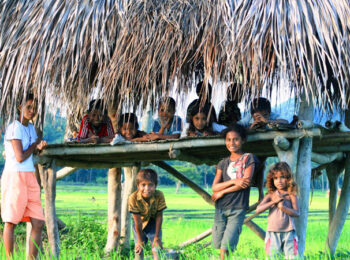
  • Meet locals in Maubisse
  • Explore Atauro Island

Day 1 - Dili

Arrive into Dili and transfer to the hotel. Overnight Beachside Hotel or similar.

Dili
Dili is the capital and largest city of East Timor, a young and vibrant nation located on the eastern half of Timor Island in Southeast Asia. Nestled along the northern coastline, Dili faces the Ombai Strait and is surrounded by rugged mountains, creating a striking natural backdrop. As the political, economic, and cultural centre of East Timor, Dili is a city where tradition and modernity meet. The city played a pivotal role in the country’s turbulent history, especially during the Indonesian occupation (1975–1999) and the subsequent struggle for independence, which was finally achieved in 2002. Traces of Portuguese colonial influence remain visible in the city’s architecture and language, adding to its unique character. The city also hosts a mix of cafes, markets, and beaches, and serves as a gateway for exploring the rest of the country. Despite facing challenges related to development and infrastructure, Dili has a resilient spirit and a welcoming atmosphere. Its people, known for their warmth and hospitality, reflect the enduring identity of a nation still building its future.

Day 2 - Dili

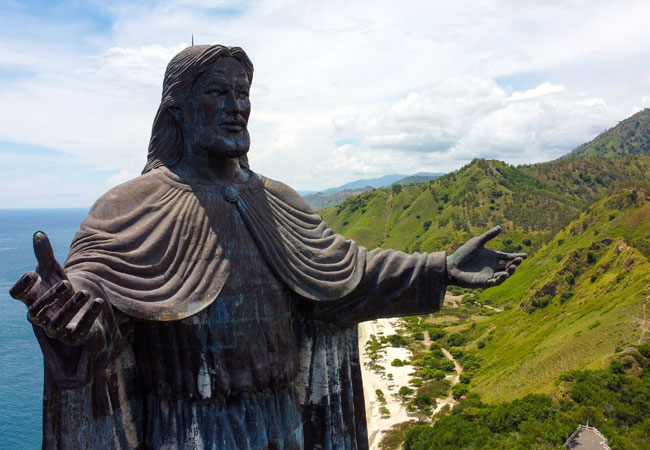
Spend the day exploring the country’s capital. We visit the Resistance Museum, a tribute to the country’s fight for Independence, the Chega Exhibition, which is housed in the former Comarca Balide Prison once detaining political prisoners, the Santa Cruz Cemetery and the Statue of Cristo Rei. Overnight Beachside Hotel or similar. (B)


Day 3 - Dili - Baucau - Com

Leave Dili for a scenic drive along the northern coastline of East Timor, stopping in Baucau, East Timor’s second largest city. Other stops include the crystalised salt lake in Laga, Lautem Fort, and the Apikuru Memorial situated just outside of Com. The memorial is a poignant tribute commemorating nine individuals, including two nuns, three priests, and an Indonesian journalist, who tragically lost their lives during East Timor’s fight for independence. We also take a short hike to Monkey’s Lagoon in Pitileti, part of the Nino Konis Santana National Park. On arrival into Com, we check into our guesthouse. Overnight Kati Guesthouse or similar. (B)

Baucau
Baucau is located on the northern coast of East Timor, around 122 kilometres east of the capital city, Dili. Baucau was an important colonial town during Portuguese rule and was known as Vila Salazar during that period. Some remnants of Portuguese architecture, including old churches and administrative buildings, are still visible today, giving the city its unique character.

Com
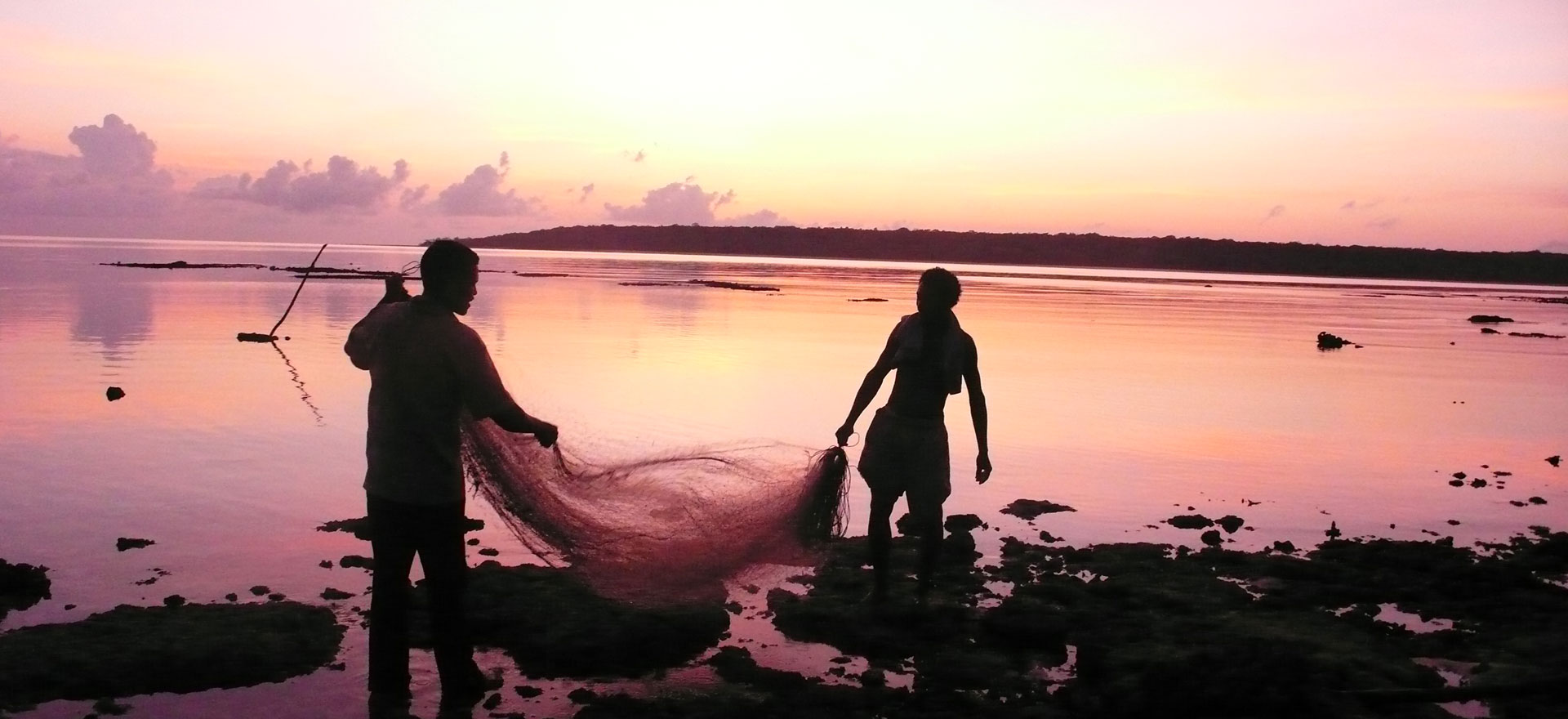
Com is a small fishing village located in the Lautém Municipality, in the eastern part of East Timor. It lies along the northern coastline, near the north-eastern tip of the island, and is known for its pristine beaches, clear turquoise waters and coral reefs. The area is rich in biodiversity, particularly marine life, which makes it a popular spot for nature lovers and snorkellers. It’s also a good place to observe or participate in traditional fishing activities and enjoy freshly caught seafood. The area is inhabited primarily by the Fataluku ethnic group and the Fataluku language is commonly spoken here, alongside Tetum and Portuguese.

Day 4 - Tutuala - Jaco Island

Travel through the interior of Lautem to the northern edge of Lake Ira Lalaro, the largest lake in East Timor. This seasonal body of water, expanding greatly in size during the wet season, stretches from 1000 to around 5500 hectares, and during the rains is home to around three hundred crocodiles. We arrive in Tutuala in the early afternoon and from here take a small boat across to Jaco Island. Jaco is an uninhabited island situated around 700m off the eastern coast of East Timor’s mainland and is considered sacred to the Timorese. The island boasts idyllic crystal waters and a white sand beach. There is an impressive set of whale bones on the island and a thick vegetated interior. We have some free time to explore or relax and have a swim, before returning to the mainland. Overnight Pousada Tutuala or similar. (B)

Jaco Island

Jaco Island is a small uninhabited island located at the easternmost tip of East Timor, where the Timor Sea meets the Banda Sea. It lies just off the coast of Tutuala, in the Lautém Municipality, and is part of the Nino Konis Santana National Park — the country’s first and largest protected area. The island holds deep cultural and spiritual significance for the Fataluku people, the local indigenous community. The Fataluku consider the island to be sacred and it has been long uninhabited due to ancestral beliefs. Birdwatching and wildlife observation are popular activities as the island and its surrounding area support a range of species, some of which are endemic to East Timor.

Day 5 - Baucau

Drive back to Baucau and explore its historic and modern sites, take a dip in the spring-fed Baucau swimming pool, and enjoy panoramic views from Calvário St Anthony before driving down to Ossolata Beach. Overnight Pousada Baucau or similar. (B)


Day 6 - Venilale - Laleia - Dili

Head up to Venilale via the WWII Japanese bunkers in Bercoli. We stop at some Portuguese ruins, and the Escola Do Reino de Venilale, before continuing to the town of Laleia, home town of Xanana Gusmao, a prominent figure in East Timor’s struggle for independence and its first president. We also pass through the coastal town of Manatuto and visit the St. António lookout. Continue to Dili. Overnight Beachside Hotel or similar. (B)


Day 7 - Maubisse - Hatubuiliko

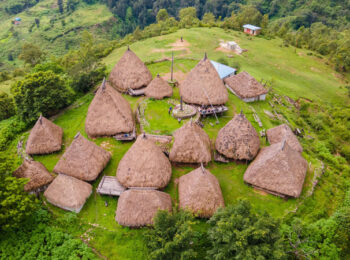
Travel into the hills around Dili for a spectacular bird’s eye view of the capital and the northern islands of Atauro and Alor. Our next stop is Maubisse, a town set in the central mountain ranges where farming is the main activity and the locals live in cone-shaped thatched homes built with bamboo and mud. We have some free time to take a wander in the town and explore the local market before continuing through alpine terrain to Hatubuiliko, at the base of Mount Ramelau. Overnight Hatubuiliko Guesthouse or similar. (B)

Maubisse
Maubisse is a picturesque mountain town located in the Ainaro District of East Timor, approximately 70 kilometres south of Dili. Nestled in the central highlands at an altitude of around 1,400 meters, Maubisse is known for its cool climate, breathtaking landscapes, and colonial-era charm. The cool climate here makes Maubisse a popular weekend getaway for residents of Dili. The surrounding region is lush, with terraced hills, coffee plantations and verdant forests.

Hatubuiliko and Mount Ramelau

Hatubuiliko is a small, mountainous village located near the base of Mount Ramelau (also known as Tatamailau), the country’s highest peak, which rises to 2,963 meters above sea level. Because of its proximity to this sacred mountain, Hatubuiliko serves as the main gateway for hikers, pilgrims, and visitors ascending Mount Ramelau.

Mount Ramelau holds deep spiritual significance for many Timorese, especially the Catholic community. Pilgrimages to the summit often take place, particularly during religious festivals and on All Saints’ Day. In addition to its Christian symbolism, the mountain also holds meaning in Timorese animist traditions where it is believed to be the dwelling place of ancestral spirits. The trail to the summit winds through forests of eucalyptus and pine, and hikers may encounter wild orchids and rare birds.

Day 8 - Mount Ramelau - Suai

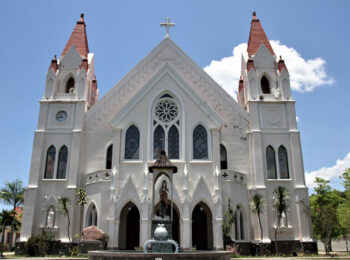
An early start (03h00) as we transfer to the Mt Ramelau park entrance and prepare for our climb. The climb to the summit takes around 2.5 hours and we hope to reach the summit for sunrise. At the summit we can see a statue of Our Lady of Assumption which was erected by the Catholic Church during the Indonesian occupation. Both the northern and southern coastlines can be seen from the summit on a clear morning. After the sunrise we descend the mountain and head back to the guesthouse for breakfast before driving to Suai and visiting its main historic sites including the Suai Cathedral and the sobering Monument of the Heroes of the Black September Massacre of 1999. We have lunch at Suai Loro Beach, at a restaurant serving delicious locally caught fish. Overnight Joia Hotel or similar. (BL)


Day 9 - Dili

Make the long drive back to Dili, stopping for lunch in Aileu en route. Overnight Beachside Hotel or similar. (B)


Day 10 - Balibo - Maubara - Dili

Transfer to Balibo and visit the Balibo House, the site where five international journalists took refuge in 1975 during the Indonesian invasion by land at the border of Batugade. We also make a stop at the Dutch built garrison and Catholic Church in Maubara, Aipelu prison, and Liquica Church. Return to Dili where we have a free afternoon. Overnight Beachside Hotel or similar. (B)

Balibo
Balibo is a small town located in the Bobonaro district of East Timor, near the border with Indonesia. While picturesque with its mountainous terrain and colonial-era architecture, Balibo is most known internationally for a tragic episode in the lead-up to East Timor’s struggle for independence. Balibo gained worldwide attention in 1975 due to the killing of five journalists, known as the Balibo Five. These journalists—two Australians, a Briton, and two New Zealanders—were working for Australian television networks. They were in East Timor to report on the Indonesian military’s incursions just prior to the full-scale invasion of East Timor. The town is also home to the Balibo Fort, a 17th-century Portuguese structure that now serves multiple purposes including as a community centre, guesthouse, and museum. The fort has been restored and stands as a reminder of both colonial history and the resilience of the Timorese people.

Day 11 - Atauro Island

Take a ferry from the port in Dili to Atauro Island. We have a full morning and most of the afternoon to relax and explore the island, visiting the market and having a swim. We return to Dili in the afternoon, arriving back in the early evening. Overnight Beachside Hotel or similar. (B)

Atauro Island

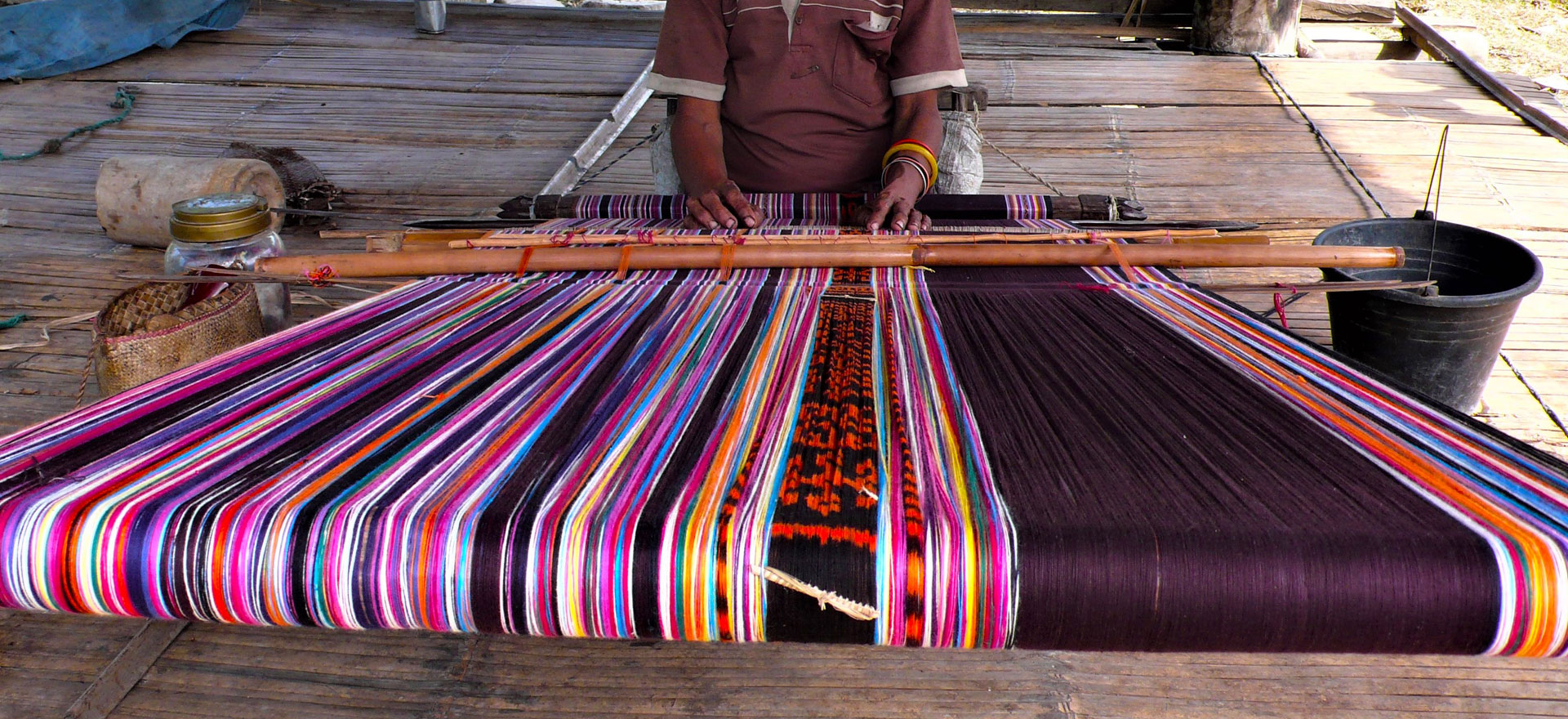
Atauro Island is a small, mountainous island situated about 25 kilometres north of Dili. Nestled in the Savu Sea, this island is known for its jaw-dropping natural beauty, plentiful marine life as part of the Coral Triangle, one of the world’s most diverse marine regions, and distinct culture. It is slowly emerging as a destination for eco-tourism and sustainable travel. The island has a population of around ten thousand people and the locals here are known for their wood carving, weaving and age-old fishing practices. The Saturday market in Beloi attracts locals and tourists alike, creating a buzzing social hub.

Day 12 - Dili

Transfer to the airport for departure. (B)


Please note:

East Timor is not your typical tourist destination — and that’s precisely its appeal for the adventurous. The country remains largely untouched by mass tourism, offering rugged beauty and raw authenticity rather than polished attractions. However, it comes with real challenges: roads are often in poor condition, especially outside the capital Dili, making travel slow and unpredictable, and infrastructure is limited. For travellers expecting smooth highways and five-star amenities, East Timor may prove frustrating. But for those seeking off-the-grid experiences and a glimpse into a country still forging its path, it offers a unique, unfiltered journey.

What's included?

  • Airport Transfers

    We include arrival and departure transfers regardless of whether you book flights yourself, or we book them for you. If you’re booking them yourself, then please let us know the details so that we can arrange the transfers. Please note though that if you arrive earlier than Day 1 of the tour, and leave after the final day, we may need to make an additional charge for an airport transfer.

  • Accommodation

    Accommodation as listed in the dossier. The nature of the destinations that we operate may sometimes mean that we need to change hotels, but we’ll always endeavour to keep the same standards. Please be aware that as we operate in many countries where tourism is in its infancy, hotel standards may not be the same as you’re used to elsewhere.

    Please note that while we prefer to use centrally located hotels where possible, this is not always practical and in some locations they may not be the best option in terms of standards or reliability.

  • Guides

    In most cases you will be accompanied by one guide from start to finish. However, there may be occasions when this is not practical, for example if your trip covers a number of different countries. In these cases it often makes more sense to include different guides for each place, to take advantage of their specific knowledge of the destination.

  • Meals

    As listed within the itinerary / dossier (B-Breakfast, L-Lunch, D-Dinner). These will vary from trip to trip – in some areas it makes sense to include all meals while in others there is a good choice of restaurants and we feel people might like to ‘do their own thing’ now and again. Please note that when meals are included, sometimes these will be in hotels, as often these are the most appropriate option, and will sometimes be set menus. Local restaurants are often lacking in variety, as well as the capacity to cater for groups. Drinks are not included and are at your own expense.

  • Entrance Fees

    Entrance fees are listed for those sites that we mention within the itinerary. If there are any other sites that you’d like to see, these would be at your own expense.

What's not included?

  • Visas

    We don’t arrange visas for our travellers, but if an invitation letter is necessary then we will arrange this for you. If you need any advice with visas then just give us a call, or alternatively a visa agency such as Travcour (www.travcour.com) can assist.

  • Airport Taxes

    If there are any departure taxes to pay that are not included within the cost of your ticket, you’ll need to pay these yourself.

  • International Flights

    Many of our travellers arrive from different destinations and so we don’t include international flights in the cost of our tours. If, however, you would like us to book flights for you, then just give us a call and we’ll be happy to discuss your options.

  • Travel Insurance

    If you need any assistance with this, then let us know – although we can’t arrange it ourselves, we can point you in the direction of a reputable provider that can assist.

Visas

You can obtain your visa for East Timor on arrival into Dili. The cost for this is currently 30 USD and you should have this amount ready in cash. 

Insurance

It is a condition of joining our tours that you have suitable travel insurance in place, and we cannot accept travellers without insurance. All policies differ in terms of what they will cover, but as a minimum you need medical and health cover which will cover you for the whole time that you are away. Most policies will also include cancellation cover, which will cover you if an unforeseen circumstance obliges you to cancel your trip. We recommend that you obtain your insurance as soon as you book your trip.

Please note that government travel warnings often affect the validity of your travel insurance, and you should check this with your insurance company.

Money

The US Dollar is the official currency in East Timor and all transactions are in dollars. East Timor centavo coins were introduced in East Timor in 2003 for use alongside United States Dollar banknotes and coins. Some banks and ATMs can be found in Dili, but not elsewhere, so you should carry local currency with you. Credit cards can only be used in a few expensive hotels in East Timor. Cirrus/Maestro credit cards can be used to withdraw US Dollars from an ATM. There are no restrictions on the import and export of local or foreign currency, however, amounts exceeding US$5000 must be declared upon arrival.

Local conditions

When travelling to some of the destinations we offer you need to bear in mind that things won’t always work here as we’re used to them working at home. Travelling in underdeveloped and untouristed destinations requires both patience and a sense of humour. There may be problems with infrastructure, attitudes may be different, and maintenance may not be as high a standard as we would always like, but this is very much part and parcel of travelling in such a place. We aim to resolve any issues as quickly as possible, and thank you for your patience. 

Travel advice

We keep a very close eye on the travel advice issued by the UK Foreign and Commonwealth Office so that we can keep you up to date with any warnings. At the time of writing, the FCO does not advise against travel to any of the parts of East Timor that we visit on this trip. 

We work very closely with our local teams and are fully confident that we can operate tours safely in East Timor. Should you have any concerns over safety please do not hesitate to contact us and we can address your concerns. 

This relates to advice from the British government – other nationalities need to check the stance of their own governments.

Date(s)
Price (PP) Exc. Flights
Single Supplement
Trip Status
Date -
20 June 2026
Price (PP) -
£3,299
Single Supplement -
£385
Trip Status -
Available
Date -
19 June 2027
Price (PP) -
£3,549
Single Supplement -
£420
Trip Status -
Available