Egypt - Into the White Desert

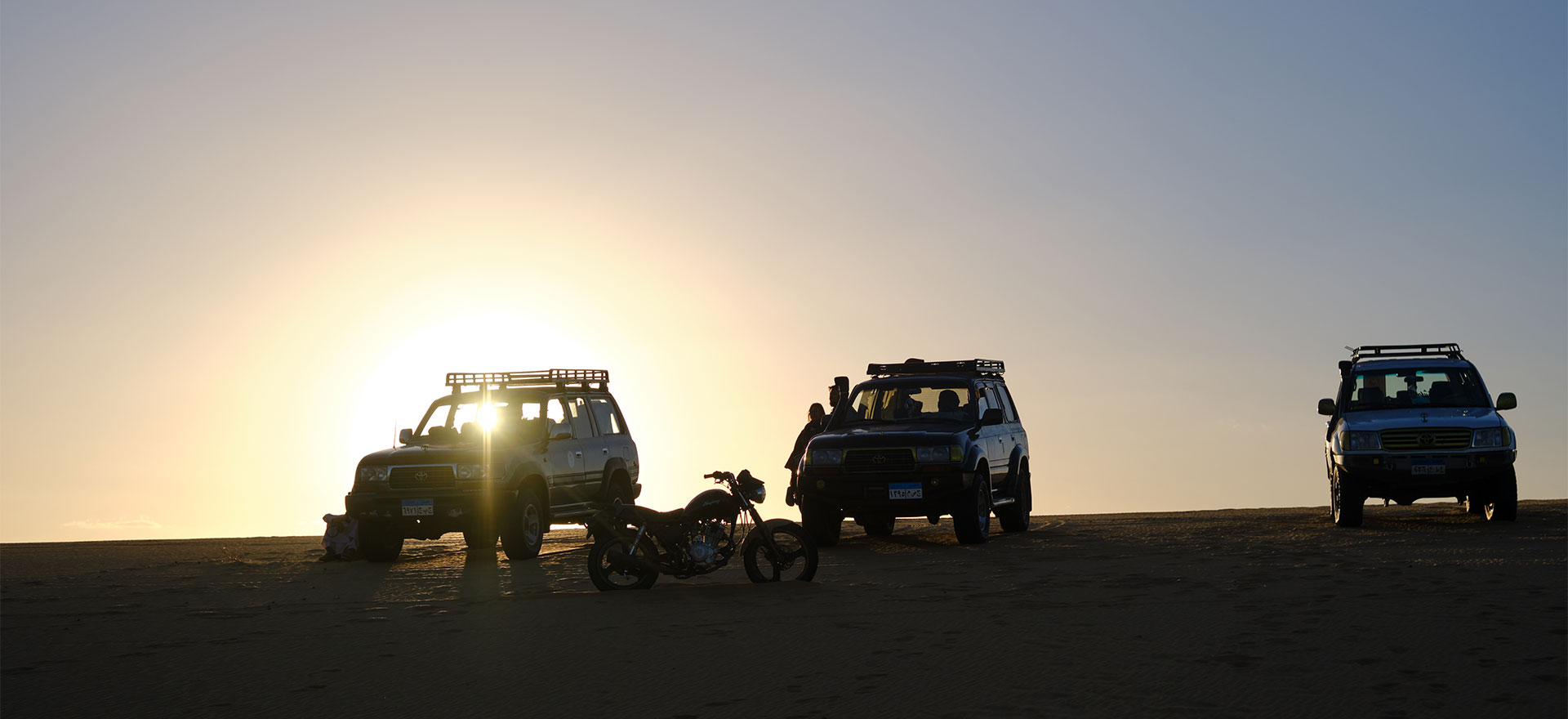
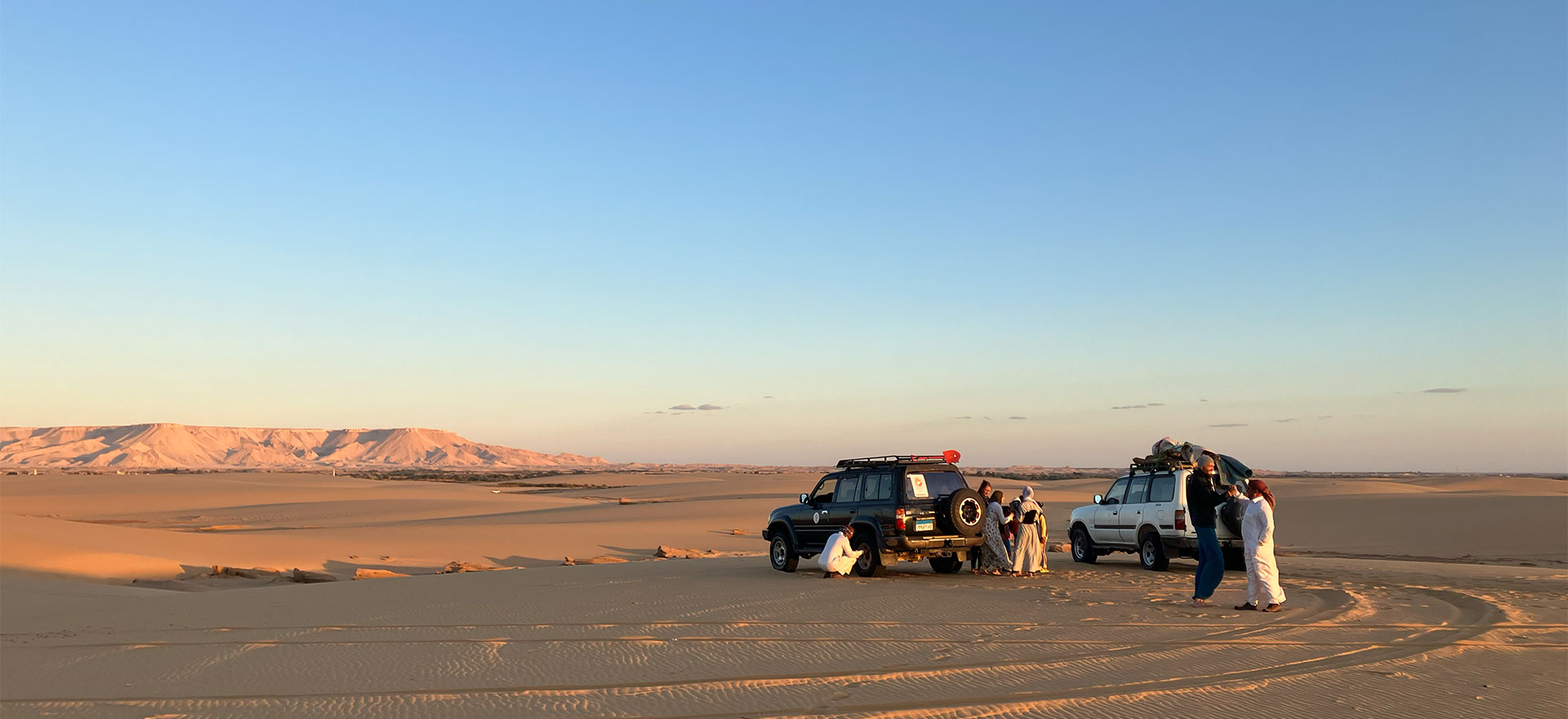
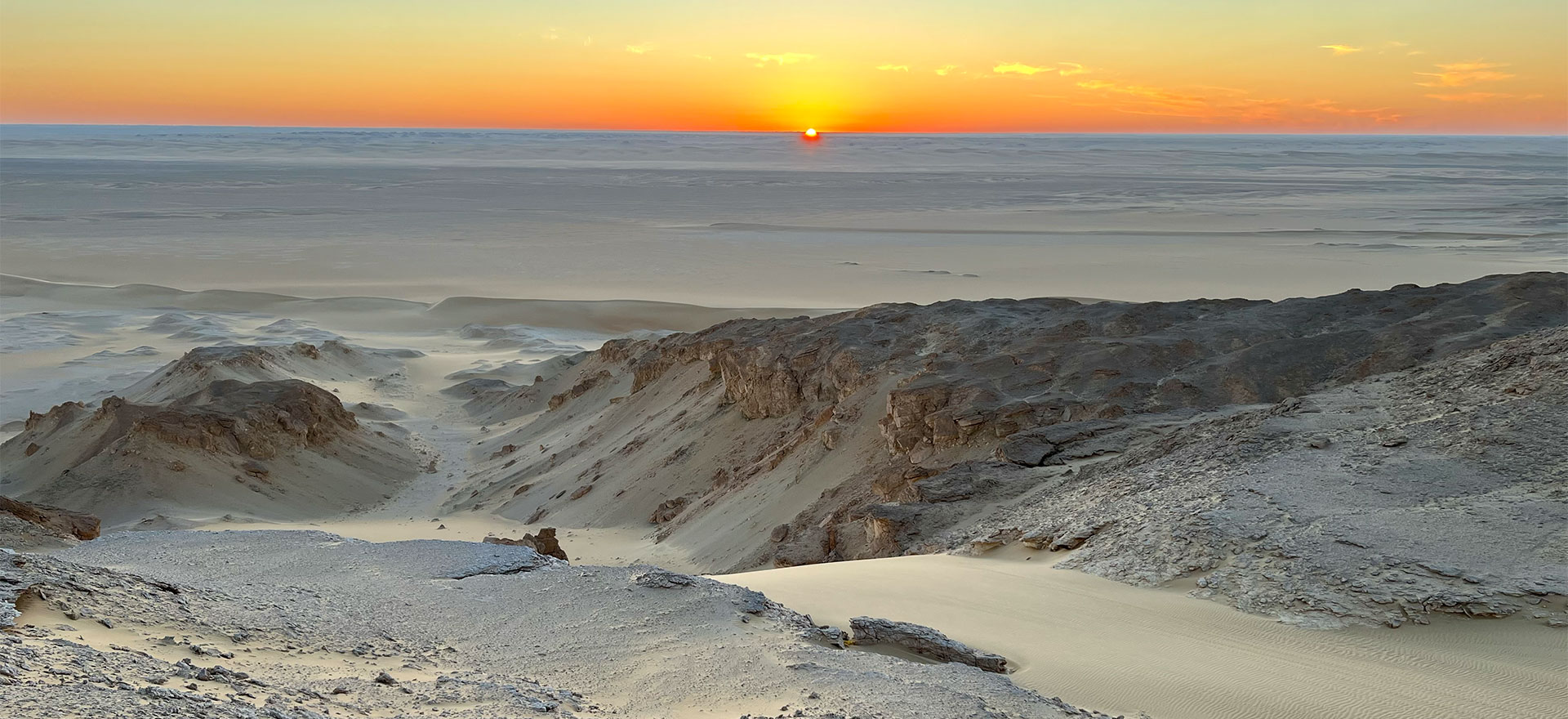
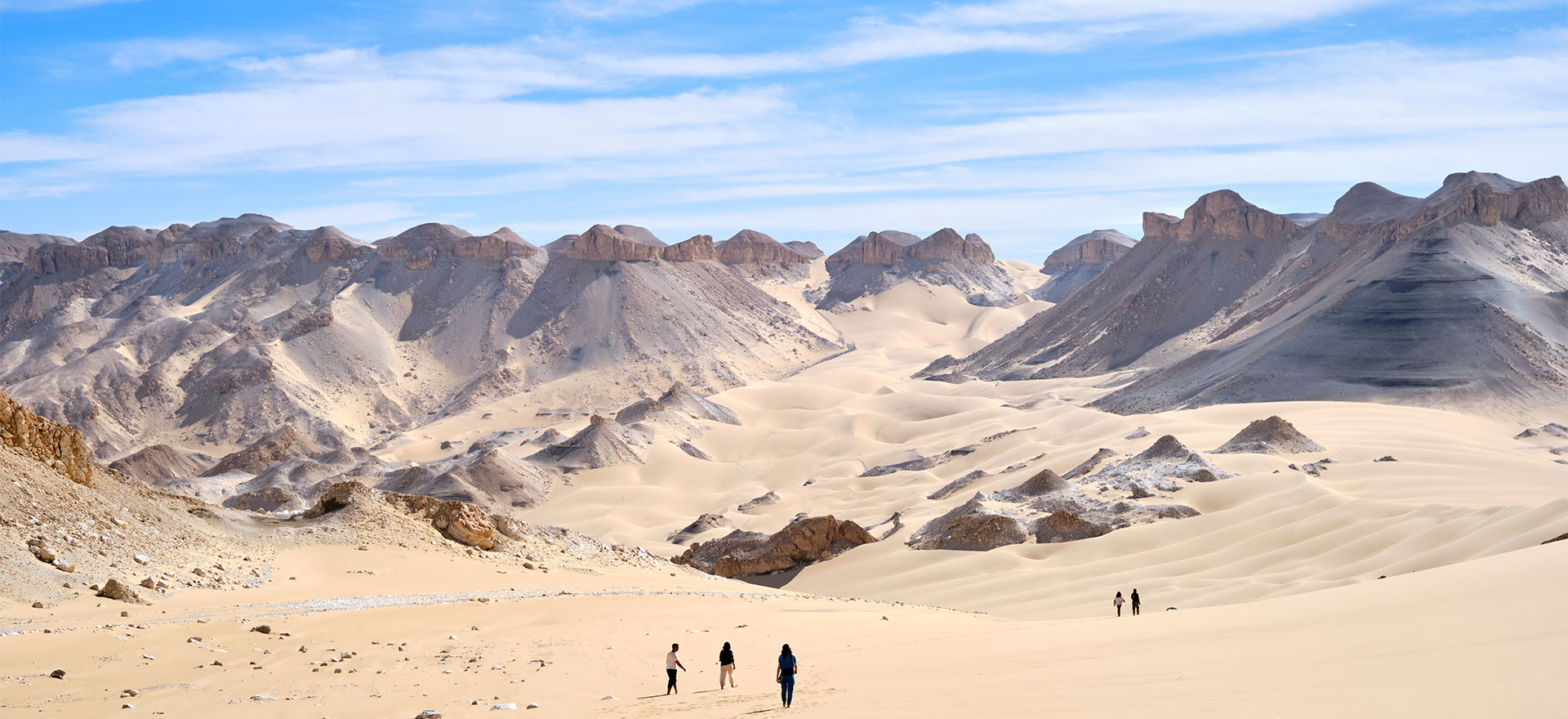
Embark on an epic journey through Egypt’s remote Western Desert, exploring with 4wd vehicles and camping under the stars, in some of the most beautiful areas of the Sahara.

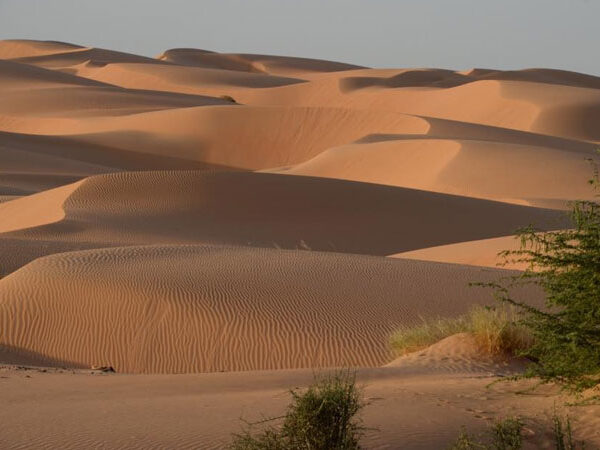
Starting in Cairo, we quickly leave the city behind, heading towards the Crystal Mountain and its golden dunes, where we spend our first night wild camping under the desert sky. Travelling along ancient Bedouin caravan routes, we explore ancient caves, see prehistoric rock art, and find small signs of ancient travellers who used the Sahara to reach the far east of Africa.

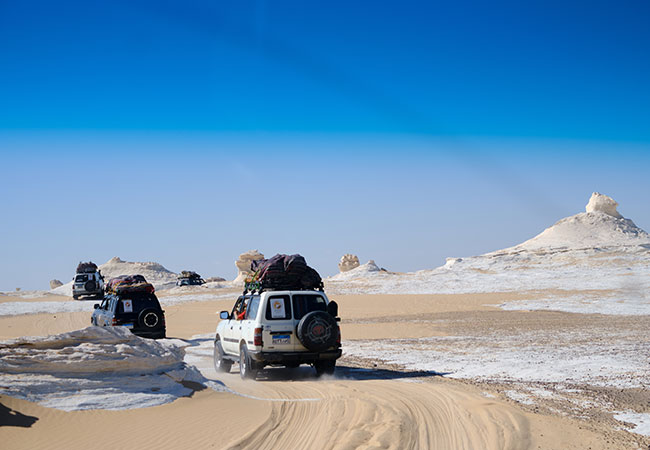
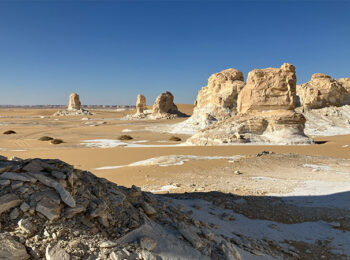
We explore the remarkable White Desert and spend two days crossing the Darb Kharafish route, with its incredible natural geology. Here we find limestone and chalk rocks carved out by the desert winds and sands, and ancient petrified fossils of trees and shark teeth.

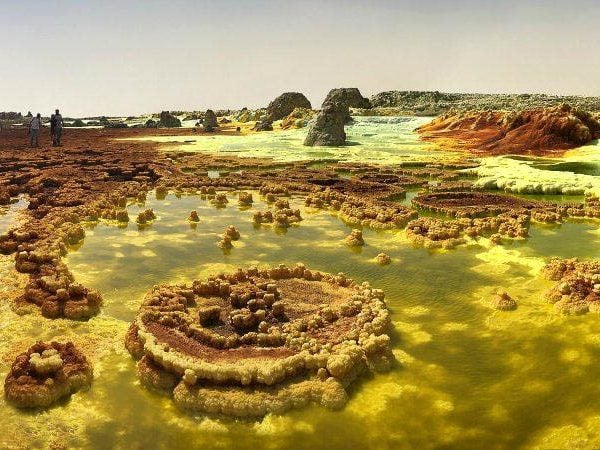
Diving deeper into the desert, we discover hot sulfur springs and pass remote mountains scattered through the desert until we finally reach the Dakhla Oasis, one of the few areas of vegetation in the Sahara.

After a week under the stars we arrive at El Qasr, a 1000-year-old mud brick village with towering buildings and narrow atmospheric streets before we return back to Cairo and enjoy our final night in Egypt.

Forget the crowds of the Pyramids, or the throngs of tourists that descend from the Nile cruises. This is a side of Egypt that almost no visitors see. And perhaps its most exciting…

Highlights

  • Camp under the stars in the vast Saharan desert
  • Roam the White Desert National park and its limestone and chalk structures carved by wind and sand
  • The timeless rhythms of Dakhla Oasis
  • Visit El Qasr, a 1000-year-old mud brick village and ancient Islamic medina

Day 1 - Cairo

Arrive in Cairo and transfer to your hotel. The rest of the day is free. Overnight Tolip Gardenia Hotel or similar.

Cairo

One of the world’s great cities, Cairo is a seething mass of humanity, with over 20 million people living in high population density, and for some it can be rather a shock to the senses. Founded originally by the Romans, the city has been through various stages in its history, from the first Islamic capital of Egypt in the 8th century (known as Fustat) to the Ottoman and Mamluk reigns of later years. It’s not a pretty city, it has to be said – there are few green spaces, and for the most part buildings are functional rather than beautiful, but Cairo’s allure comes from its hustle and bustle, the way in which daily life is display among the street vendors and the shisha cafes, and the sheer vibrancy of its people.

That said, Cairo also has some incredible sites. The pyramids are of course the best known, and as well as the famous Pyramids of Giza there are many others dotted about the city’s environs. But perhaps the most alluring part of the city is the area known as ‘Islamic Cairo’, the old medieval metropolis, full of imposing mosques and busy market streets, overlooked by the 12th century citadel.

Day 2 - Cairo - Agabat

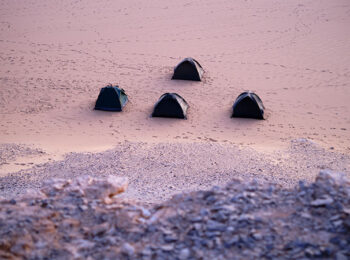
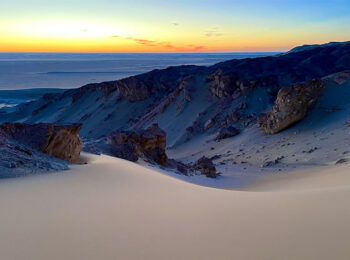
Leave Cairo early this morning and drive into the desert heading for the Bahariya Oasis. Stop for lunch on the way, and switch vehicles to our 4x4s. Continue into the desert, towards the Crystal Mountain and Agabat, home to a surreal landscape of golden dunes and impressive rock formations. Later, arrive at our wild camp. Overnight camping. (BLD)


Day 3 - Oasis Springs – White Desert National Park

After breakfast, drive deeper into the vast Sahara to Wadi Hennes, and the springs of Ain Khadra and Ain Serw where we have lunch. In the afternoon we drive into the White Desert National Park, home to iridescent white limestone sculptures rising up from the sand. In the evening, set up our camp for the night. Overnight camping. (BLD)

White Desert National Park

The White Desert is an enormous protected area of the Egyptian Sahara home to huge white chalk formations, carved by the wind and sand into bizarre shapes resembling mushrooms, towers or even animals. About 500km south-west of Cairo, the White Desert was once under an ancient sea, about 80 million years ago, and once sea levels fell and organisms died on the seabed, they formed into thick layers of chalk and limestone. The White Desert is also covered in golden sand, which makes the remarkable white rock formations stand out even more. The national park is home to natural springs and small areas of vegetation.

Day 4 - White Desert – Karawin Dunes

Today we dive further into the White Desert along ancient Bedouin caravan routes. Along the way, our guides will showcase the most spectacular rock formation, hidden away and only seen by a few. We continue to the Karawin Dunes where we will camp for the night. Overnight camping (BLD)


Day 5 - Al Djara Cave – Kharafish Sand Dunes

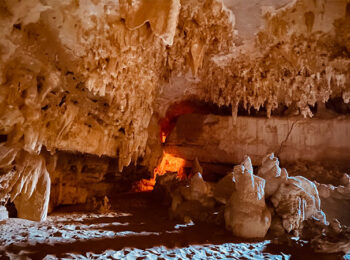
After packing up our camp, we drive to the magnificent Al Djara Cave and spend some time in the illuminated, silent cavern with its impressive stalactites. Continue south west into the Kharafish Sand Dunes, where we set up camp for the night. Overnight camping. (BLD)


Day 6 - Darb Kharafish – Jebel Saad Mountain

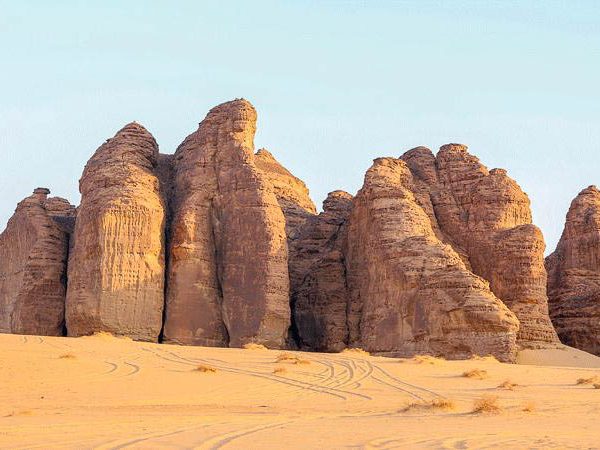
Begin our two-day crossing of the Darb Kharafish, the ancient desert corridor connecting Dakhla to the western oases. Today we head to Jebel Saad, surrounded by rolling dunes and fossil rich geology, setting up camp at the base of the mountain. Overnight camping (BLD)

Darb Kharafish

The Darb Kharafish is one of the oldest desert routes associated with the Dakhla Oasis and the limestone plateau to its north. It is not a constructed road, but rather a route through the Sahara where travellers used landmarks like well sand other geological features to find their way. The harsh Sahara Desert was and is no place to get lost, so it was essential for ancient travellers to know the land and the route or risk death. Evidence shows that the Darb Kharafish route has been used for around 5000 years, but during its earliest time the Sahara was a much wetter place, with lakes, grasslands, rivers and abundant wildlife, making traversing the route much easier in terms of survival.

Day 7 - Dakhla

Head towards the oasis of Dakhla, through the dramatic mountain pass of Naqb El Qasr. Leaving the deep desert behind, we stop at a natural hot sulfur spring for lunch. Later, we drive to the sand dunes bordering the Dakhla where we set up our camp for the night. Overnight camping. (BLD)

Dakhla

The oasis of Dakhla is essentially a huge green island in the middle of the Sahara, and stretches roughly 80km east-west along the base of the limestone plateau. The oasis depends on underground water and sits on the Nubian Aquifer with its water reaching the surface through natural spring and wells. Archaeological evidence suggests that the oasis goes back hundreds of thousands of years, with research suggests inhabitation from the stone age, around 600,000 years ago.

Day 8 - Saharan Outskirts

Spend the day exploring the fascinating outskirts of the Sahara, stopping at the Kissing Mountain (Jebel El Qoblat), a remarkable natural formation, and uncover ancient rock carvings. This part of the desert is rich with geological wonders, like petrified shark teeth and trees. In the late afternoon, we will arrive at Dakhla and our fixed camp. Overnight Bedouin Camp Hotel. (BLD)


Day 9 - El Qasr

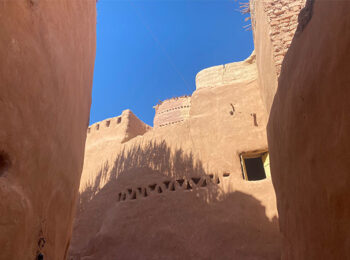
After breakfast, we explore the ancient Islamic medina of El Qasr, a 1000-year-old village of mud-brick architecture, and a unique feel of a bygone era. After lunch next to a hot spring, the rest of the day is free to relax. Overnight Bedouin Camp Hotel. (BLD)

El Qasr

El Qasr was built over an earlier settlement known as Kysis, which flourished during the Roman Period, and there is archaeological evidence of occupation here going back even further. Much of what you can see here dates between the 12th and 19th centuries, although many of the buildings have been reconstructed since their original construction. El Qasr is made mainly from mud bricks, the only resource in the region, and was the easiest way of building all of the structures before modern times. El Qasr was essentially a fortified town, with its tightly packed houses and narrow streets making it difficult for invaders to conquer. Some of the mud brick buildings are 3 or 4 stories tall, particularly impressive considering the materials used when construction began.

Day 10 - Cairo

Today we begin the journey back to Cairo, arriving by late afternoon. Overnight Tolip Gardenia Hotel or similar. (BL)


Day 11 - Cairo

Transfer to the airport for your flight home. (B)


What's included?

  • Airport transfers

    We include arrival and departure transfers on the first and last days of the tour regardless of whether you book flights yourself, or we book them for you. If you’re booking them yourself, then please let us know the details so that we can arrange the transfers. Please note though that if you arrive earlier than Day 1 of the tour, and leave after the final day, we may need to make an additional charge for an airport transfer.

  • Accommodation

    Accommodation as listed in the dossier. The nature of the destinations that we operate may sometimes mean that we need to change hotels, but we’ll always endeavour to keep the same standards. Please be aware that as we operate in many countries where tourism is in its infancy, hotel standards may not be the same as you’re used to elsewhere.

    Please note that while we prefer to use centrally located hotels where possible, this is not always practical and in some locations they may not be the best option in terms of standards or reliability.

  • Guides

    You will be accompanied by English-speaking guides

  • Meals

    As listed within the itinerary / dossier (B-Breakfast, L-Lunch, D-Dinner). These will vary from trip to trip – in some areas it makes sense to include all meals while in others there is a good choice of restaurants and we feel people might like to ‘do their own thing’ now and again. Please note that when meals are included, sometimes these will be in hotels, as often these are the most appropriate option, and will sometimes be set menus. Local restaurants are often lacking in variety, as well as the capacity to cater for groups. Drinks are not included and are at your own expense.

  • Entrance fees

    Entrance fees are listed for those sites that we mention within the itinerary. If there are any other sites that you’d like to see, these would be at your own expense.

What's not included?

  • Visas

    We don’t arrange visas for our travellers, but if an invitation letter is necessary then we will arrange this for you. If you need any advice with visas then just give us a call, or alternatively a visa agency such as Travcour (www.travcour.com) can assist.

  • Airport taxes

    If there are any departure taxes to pay that are not included within the cost of your ticket, you’ll need to pay these yourself.

  • International flights

    Many of our travellers arrive from different destinations and so we don’t include international flights in the cost of our tours. If, however, you would like us to book flights for you, then just give us a call and we’ll be happy to discuss your options.

  • Travel insurance

    If you need any assistance with this, then let us know – although we can’t arrange it ourselves, we can point you in the direction of a reputable provider that can assist.

Visas

Most travellers will require a visa to visit Egypt, which can be obtained in advance or upon arrival.

Health and vaccinations

We are not medically qualified and so we recommend that you speak to your doctor or nearest health professional for advice concerning recommended vaccinations. However, there are no compulsory vaccinations needed to enter either country. For more advice on vaccinations you can also visit https://travelhealthpro.org.uk/countries.

Insurance

It is a condition of joining our tours that you have suitable travel insurance in place, and we cannot accept travellers without insurance. All policies differ in terms of what they will cover, but as a minimum you need medical and health cover which will cover you for the whole time that you are away. Most policies will also include cancellation cover, which will cover you if an unforeseen circumstance obliges you to cancel your trip. We recommend that you obtain your insurance as soon as you book your trip.

Please note that government travel warnings often affect the validity of your travel insurance, and you should check this with your insurance company.

Money

The local currency in Egypt is the Egyptian pound. If you want to bring money to exchange while here, US dollars in smaller notes would be best, although the banks will also exchange major foreign currencies such as sterling and euros.

Culture

The official language is Arabic, but you will find English is also spoken in many areas. Many Egyptians are bilingual or even trilingual, and in places like Cairo and the major tourist centres it is possible to get by with virtually no Arabic knowledge at all.

The majority of the population (95%) consider themselves to be Egyptians. Other ethnic groups include the Berbers of Siwa oasis, in the far west, the Bedouin of the Sinai Desert, and the Nubians of southern Egypt. Approximately 90% of the population is Muslim, while 10% of Egyptians are Coptic Christians.

Local conditions

When travelling to some of the destinations we offer you need to bear in mind that things won’t always work here as we’re used to them working at home. Travelling in underdeveloped and untouristed destinations requires both patience and a sense of humour. There may be problems with infrastructure, attitudes may be different, and maintenance may not be as high a standard as we would always like, but this is very much part and parcel of travelling in such a place. We aim to resolve any issues as quickly as possible, and thank you for your patience.

In Egypt, the tourism industry is very well established and in places like Luxor it forms the mainstay of the economy. It’s important to be prepared for this – many people are put off by the amount of hassle they can get from street vendors, taxi drivers and so on, but usually a polite ‘no, thanks’ will be sufficient. The Egyptian tourist industry has suffered enormously in recent years, with problems becoming particularly acute due to Covid, and you will find that economic desperation means some people may be insistent, and a nuisance. The best tactic usually is to be firm that you do not want their services, and to walk away. Approaching this with a sense of humour – even if this is tested at times – is the best method.

Travel advice

The FCO does not advise against travel to any parts of Egypt that we visit on this tour.

This relates to advice from the British government – other nationalities need to check the stance of their own governments.

Date(s)
Price (PP) Exc. Flights
Single Supplement
Trip Status
Date -
27 February 2027
Price (PP) -
£2,399
Single Supplement -
£280
Trip Status -
Available
Date -
27 November 2027
Price (PP) -
£2,399
Single Supplement -
£280
Trip Status -
Available
Date -
26 February 2028
Price (PP) -
£2,549
Single Supplement -
£300
Trip Status -
Available
Date -
25 November 2028
Price (PP) -
£2,549
Single Supplement -
£300
Trip Status -
Available